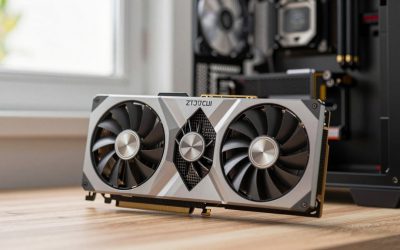
- Top Pick: ASRock Radeon RX 9060 XT Challenger 16GB OC, RDNA 4, 3290MHz Boost, 16GB GDDR6 128-bit, PCIe 5.0, Dual Fans, 0dB Silent, LED Indicator, DisplayPort 2.1a, HDMI 2.1b
- Best Value: ASRock Radeon RX 9070 Challenger 16GB OC Graphics Card, RDNA 4, 2520MHz Boost, 16GB GDDR6 256-bit, PCIe 5.0, Triple Fans, 0dB Silent, LED Indicator
- Premium Choice: ASRock Radeon RX 7600 Challenger Pro 8GB OC, AMD RDNA 3, 8GB GDDR6, PCIe 4.0, Triple Fans, 0dB Silent, 2695MHz Boost, Triple Fan Graphics Card
Graphics cards are once again the most-watched product on Amazon’s PC parts charts, and the lineup that has climbed to the top in May 2026 is a strange but revealing mix. Brand-new Blackwell-generation RTX 5070 and 5070 Ti boards sit next to a fresh AMD RX 9060 XT, an evergreen $130 RX 580 8GB, and even a pair of renewed NVIDIA Quadro K6000 workstation cards. It is a snapshot of how buyers actually shop in 2026 — chasing the latest silicon at the top, hunting for proven value below it, and quietly grabbing renewed pro cards for specialised workloads.
- Trending Graphics Cards at a Glance
- 1. Kelinx AISURIX RX 580 8GB — Best Bargain GPU on the Trending List
- 2. NVIDIA Quadro K6000 12GB GDDR5 (Renewed) — Renewed Workstation Pick
- 3. NVIDIA Quadro K6000 12GB — Legacy Professional Card
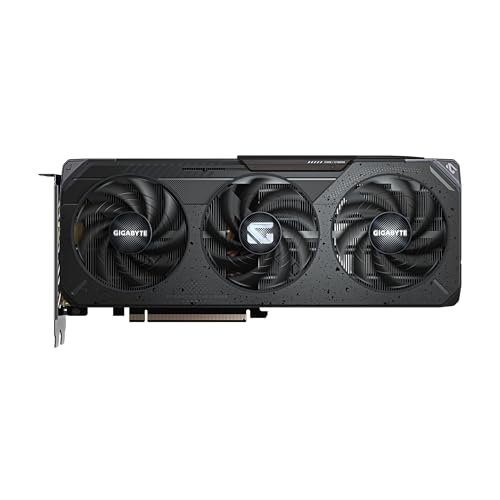
- 4. GIGABYTE Radeon RX 9060 XT Gaming OC 16G — Best Mainstream Value
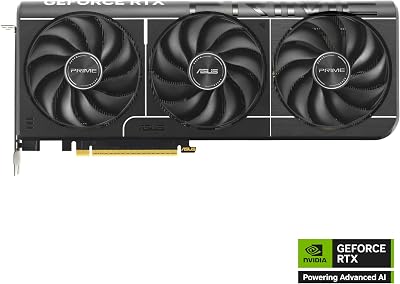
- 5. ASUS Prime GeForce RTX 5070 12GB (SFF-Ready) — Best Compact Next-Gen Card
- 6. MSI RTX 5070 Ti 16G Ventus 3X OC Black — Flagship Performance Pick
- How to Choose a Trending Graphics Card in May 2026
- Related Guides
- Frequently Asked Questions About Trending Graphics Cards
- Final Verdict: The Best-Value Ranking from the Trending Six
- Related Buying Guides
- Related Articles
- Related Guides
This deep comparison takes those six trending best-sellers and walks through what each one is, who it is genuinely for, and where it sits on the price-to-performance curve. We are not interested in benchmark numbers we cannot verify; instead, the goal of this guide is to be the buyer’s authority — to tell you, plainly, whether the $989 MSI RTX 5070 Ti is worth stretching for over the $642 ASUS RTX 5070, whether the GIGABYTE RX 9060 XT is the smarter mainstream play, and whether a $130 RX 580 still earns its place in 2026. We have ordered our reviews from best value to premium flagship so you can read in the direction your wallet leads. By the end you will have a clear ranking, a clean comparison table, and the answers to the four questions readers ask us most about graphics cards this month.
As an Amazon Associate we earn from qualifying purchases at no extra cost to you.





🛒 Best Price Today on Amazon
Prime members get fast, free shipping on everything above, plus member-only deals. New members get a 30-day free trial — cancel anytime.
Trending Graphics Cards at a Glance
| GPU | Best For | Standout Spec | Approx Price | Rating |
|---|---|---|---|---|
| Kelinx AISURIX RX 580 8GB | Bargain 1080p builds | 8GB GDDR5, 256-bit, PCIe 3.0 | around $130 | Value Pick |
| NVIDIA Quadro K6000 12GB (Renewed) | Renewed workstation tasks | 12GB GDDR5, 384-bit, Kepler pro | around $250 | Niche Pick |
| NVIDIA Quadro K6000 12GB | Legacy pro applications | 12GB GDDR5, 384-bit, full-height | around $250 | Niche Pick |
| GIGABYTE Radeon RX 9060 XT Gaming OC 16G | Mainstream 1440p value | 16GB GDDR6, PCIe 5.0, RDNA next-gen | around $460 | Editor’s Choice |
| ASUS Prime GeForce RTX 5070 12GB (SFF) | Compact next-gen builds | 12GB GDDR7, PCIe 5.0, 2.5-slot SFF | around $642 | Top Pick |
| MSI RTX 5070 Ti Ventus 3X OC 16G | Flagship 4K performance | 16GB GDDR7, 256-bit, Blackwell | around $990 | Performance Pick |
1. Kelinx AISURIX RX 580 8GB — Best Bargain GPU on the Trending List
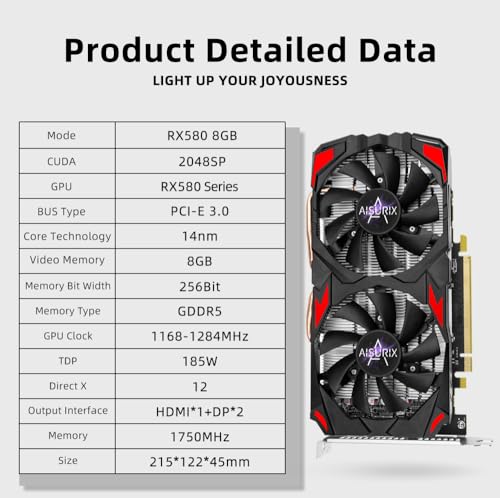
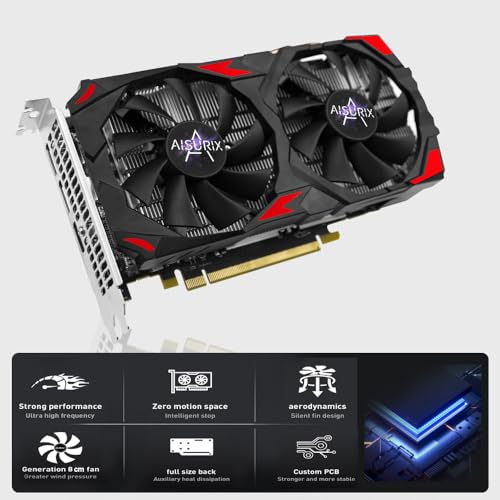
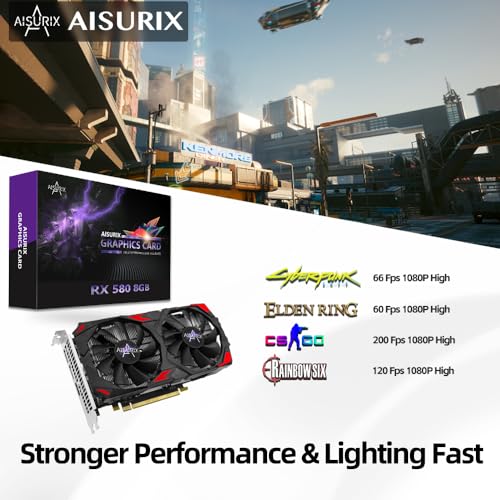
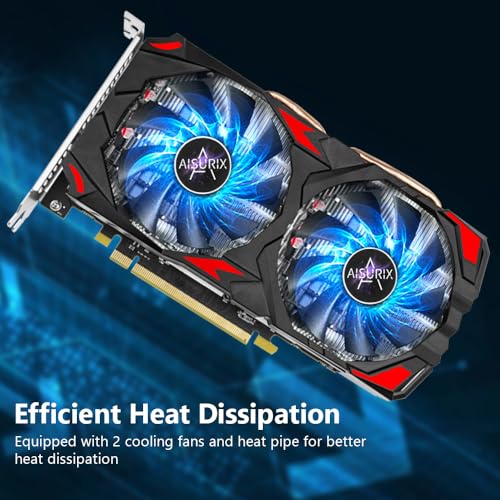
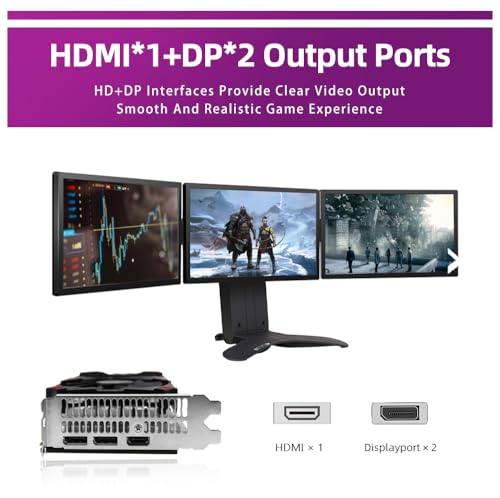
The Kelinx AISURIX RX 580 is the cheapest graphics card on Amazon’s trending list this month, and at around $130 it has become the default answer for anyone building or rescuing a budget 1080p gaming PC. It packs a full 8GB of GDDR5 on a wide 256-bit memory bus, ships with the 2048SP variant of the RX 580 silicon, and includes a Freeze Fan Stop design that idles the cooler when the card is not under load. Connectivity is straightforward: PCI Express 3.0, two DisplayPort outputs, and HDMI.
The reason the RX 580 keeps trending in 2026 is that it sits in a sweet spot no current-gen card touches. For older esports titles and most 1080p games at medium settings, 8GB of VRAM is still genuinely enough, and the 256-bit bus delivers more bandwidth than the cheaper four-gigabyte cards it competes against. Pair it with a Ryzen 5 or Core i5 and you have a serviceable 1080p gaming rig for a fraction of what a current-generation card costs.
There are honest trade-offs. The RX 580 is a Polaris-architecture GPU from the late 2010s, so it does not support newer features like hardware ray tracing or DLSS-style upscaling, and modern AAA games at high settings will tax it. It also runs warm and draws more power than a modern equivalent would for the same frame rate. But for the buyer who wants 1080p gaming on the tightest budget — or a cheap drop-in replacement to keep an aging system alive — nothing on this trending list undercuts it.

24
Kelinx AISURIX RX 580 Graphics Card, 2048SP, Real 8GB, GDDR5, 256 Bit, Pc Gaming Video Card, 2XDP, HDMI, PCI Express 3.0 with Freeze Fan Stop for Desktop Computer Gaming Gpu
In Stock
View on Amazon.com



As an Amazon Associate we earn from qualifying purchases. Product prices and availability are accurate as of the date/time indicated.
2. NVIDIA Quadro K6000 12GB GDDR5 (Renewed) — Renewed Workstation Pick
The NVIDIA Quadro K6000 (Renewed) is one of two professional cards trending this month, and at around $250 it represents a very specific kind of buyer. This is a renewed Kepler-generation Quadro workstation GPU with 12GB of GDDR5 on a 384-bit bus, certified for professional CAD, 3D modelling, and visualisation software back when it was current. The Renewed listing means it has been inspected and refurbished, with the price reflecting that.
The reason this card trends is unusual: certain legacy professional workflows — older CAD seats, validated CUDA pipelines, simulation tools tied to specific driver versions — still rely on Quadro hardware, and 12GB of VRAM at $250 is hard to find anywhere else. For a workstation that needs to keep running a pinned-down software stack, this is a pragmatic pick.
What it is not is a gaming card. Despite the spec sheet looking superficially competitive, Kepler is several generations behind modern Blackwell or RDNA designs, gaming drivers are no longer a priority, and the cooler is a workstation blower built for sustained pro loads rather than peak frame rates. Buy this only if you have a specific professional reason to want a K6000; otherwise the RX 9060 XT or RTX 5070 below give you vastly more useful gaming performance for the money.

NVIDIA Quadro K6000 12GB GDDR5 384-bit PCI Express 3.0 x16 Full Height Video Card (Renewed)
In Stock
As an Amazon Associate we earn from qualifying purchases. Product prices and availability are accurate as of the date/time indicated.
3. NVIDIA Quadro K6000 12GB — Legacy Professional Card
The second NVIDIA Quadro K6000 on the trending list is the standard (non-Renewed) listing of the same card, also at around $250. The hardware underneath is identical: a Kepler-architecture pro GPU with 12GB of GDDR5 on a 384-bit memory bus, full-height form factor, and the same workstation feature set. The difference is the listing path rather than the silicon.
Two K6000 listings sitting on the trending chart at once tells you something about demand. There is a small but persistent audience — visual effects studios, engineering firms, university labs — refreshing or replacing K6000 boards in machines that were never upgraded to modern Quadros. For these buyers, the appeal is purely functional: 12GB of VRAM, a known driver path, and a card their software still recognises.
The same caveats apply as with the Renewed unit. This is not a gaming GPU in any meaningful 2026 sense, and the power-to-performance ratio is well behind anything current. If you are buying for play rather than work, skip both K6000 listings and look at the RX 9060 XT, the RTX 5070, or the RTX 5070 Ti. If you are replacing a card in a pro workflow that genuinely depends on Quadro hardware, you already know why this listing is here.
As an Amazon Associate we earn from qualifying purchases. Product prices and availability are accurate as of the date/time indicated.
4. GIGABYTE Radeon RX 9060 XT Gaming OC 16G — Best Mainstream Value
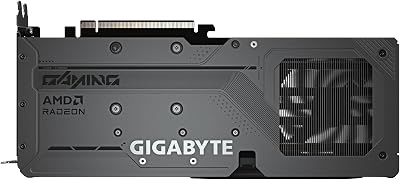
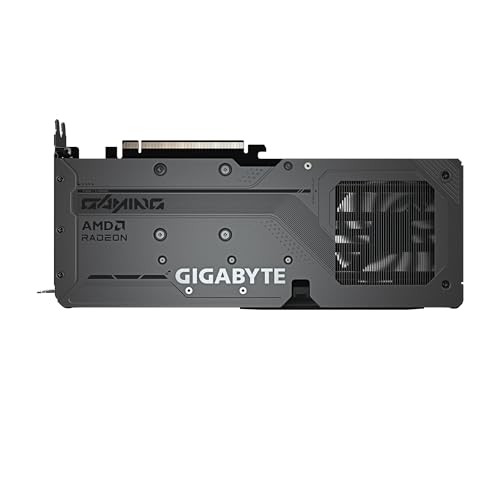
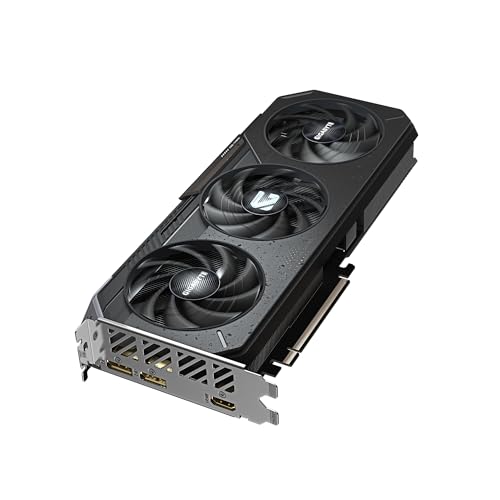
The GIGABYTE Radeon RX 9060 XT Gaming OC 16G is the card we expect most 1440p gamers reading this guide to land on, and at around $460 it is the best mainstream value on the trending list. It is built around AMD’s current-generation RDNA architecture, pairs 16GB of GDDR6 with a PCIe 5.0 interface, and uses GIGABYTE’s Gaming OC cooler — a triple-fan, alternate-spinning design tuned for low noise and stable temperatures under sustained load.
The standout reason the 9060 XT is climbing the trending chart is its memory configuration. 16GB of VRAM at this price point is generous, and it pays off in modern titles where texture streaming, ray tracing, and large open-world assets routinely push older 8GB and 12GB cards to their limits. Pair it with a Ryzen 7 or Core i7 and you have a high-refresh 1440p machine that should age comfortably across the next two to three generations of graphically demanding releases.
Trade-offs are minor but real. AMD’s ray tracing implementation, while much improved, still trails NVIDIA’s at the same tier, and if you specifically need DLSS for a game that does not yet ship with FSR 4 parity, an NVIDIA card is the safer bet. The GIGABYTE cooler is also a triple-slot design, so compact builds need to check clearance. For the mainstream gamer who wants the best balance of current-generation features, generous VRAM, and price, however, this is the easy editor’s choice from the trending six.
One more practical note for value-focused buyers: the 9060 XT’s PCIe 5.0 interface is forward-looking rather than essential today, since current titles are not saturating PCIe 4.0 bandwidth in any meaningful way. What it means in practice is that the card will continue to slot comfortably into your next motherboard upgrade without becoming a bandwidth bottleneck, which extends its useful life and protects the investment. For buyers planning to keep this GPU through one or two CPU and platform refreshes, that future-proofing is part of the value calculation alongside the headline 16GB VRAM figure, and it is the reason the 9060 XT keeps topping value-focused recommendations in our inbox this month.

24
Prime
GIGABYTE Radeon RX 9060 XT Gaming OC 16G Graphics Card, PCIe 5.0, 16GB GDDR6, GV-R9060XTGAMING OC-16GD Video Card
In Stock




As an Amazon Associate we earn from qualifying purchases. Product prices and availability are accurate as of the date/time indicated.
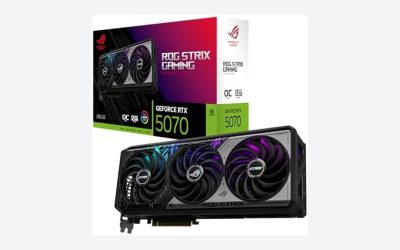
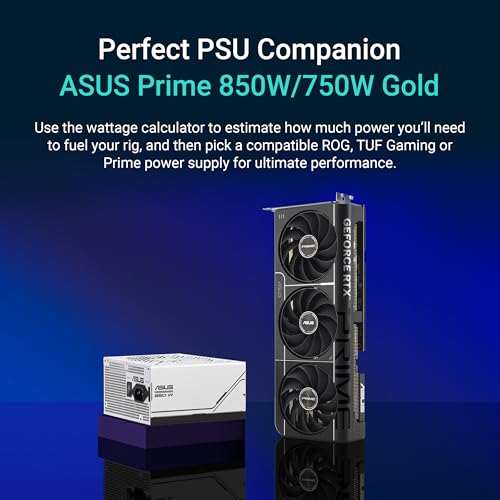
5. ASUS Prime GeForce RTX 5070 12GB (SFF-Ready) — Best Compact Next-Gen Card
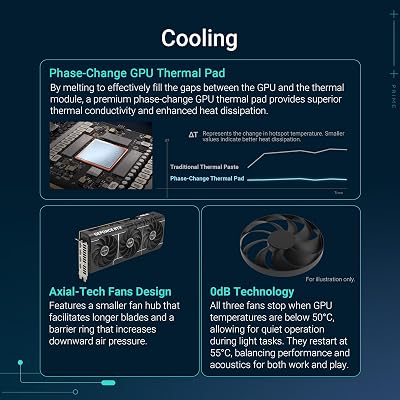
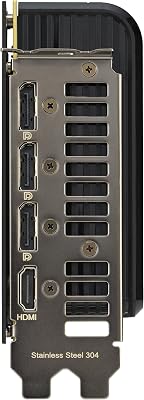
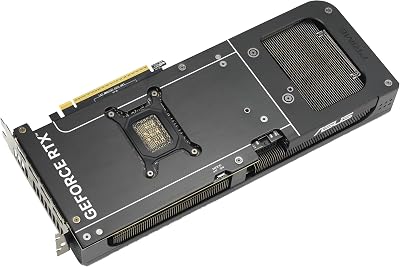
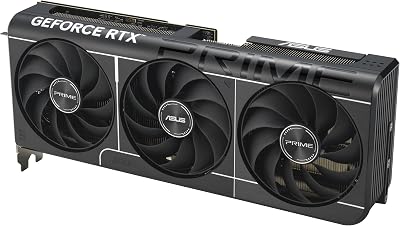
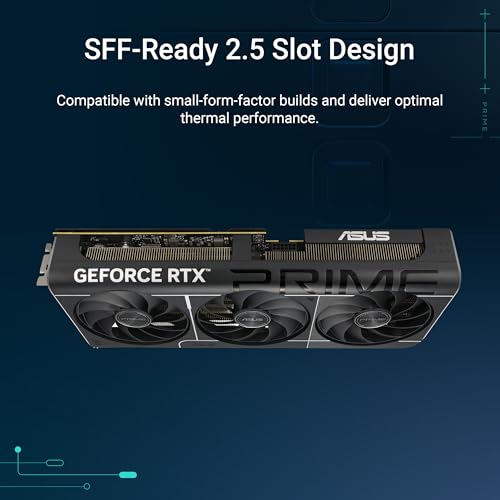
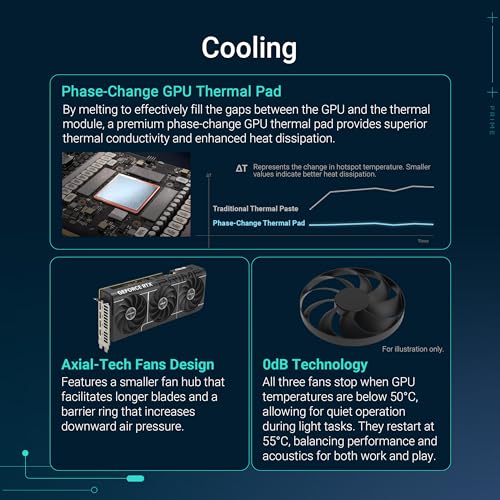
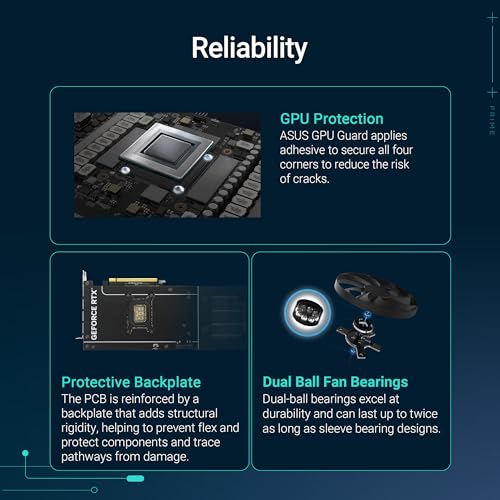
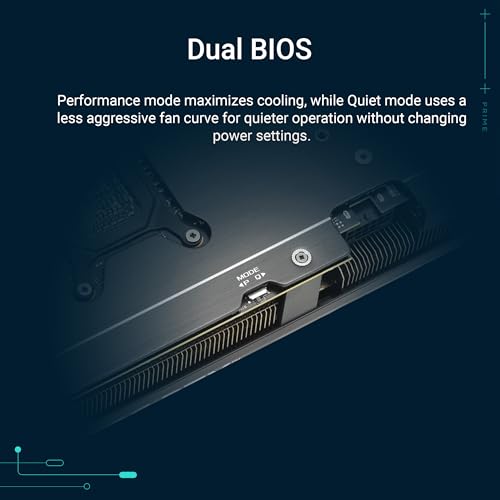
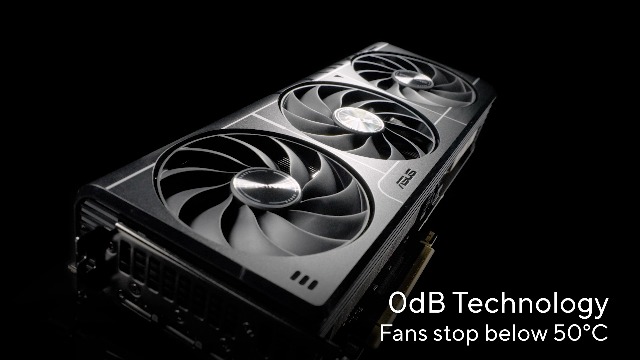
The ASUS Prime GeForce RTX 5070 12GB at around $642 is the card you buy if you want next-generation NVIDIA performance in a small case. ASUS has built this Prime variant specifically as SFF-Ready: it is a 2.5-slot design with Axial-tech fans, dual BIOS for quiet or performance modes, HDMI and DisplayPort 2.1 outputs, and a 12GB allocation of fast GDDR7 memory on a PCIe 5.0 interface.
The appeal of the RTX 5070 is the Blackwell architecture under the hood. You get a fully modern ray tracing pipeline, the latest DLSS feature set, and NVIDIA’s encoder for streaming, all in a card sized to drop into small form factor and compact mid-tower builds where larger 5070 variants do not physically fit. For a 1440p gamer who wants every NVIDIA feature ticked off and a tidy build, this is the natural pick.
Two honest considerations apply. The 12GB VRAM allocation is slightly less generous than the 16GB on the RX 9060 XT below it and the RTX 5070 Ti above it, which is fine at 1440p today but could matter sooner at 4K with heavy ray-traced texture loads. And the ASUS premium for the SFF-Ready cooler and dual-BIOS engineering does mean you pay a little more than a basic RTX 5070 would cost. If compact build compatibility and NVIDIA’s full software stack matter, the trade is well worth it.

40
ASUS The SFF-Ready Prime GeForce RTX™ 5070 Graphics Card, NVIDIA (PCIe® 5.0, 12GB GDDR7, HDMI®/DP 2.1, 2.5-Slot, Axial-tech Fans, Dual BIOS)
In Stock









As an Amazon Associate we earn from qualifying purchases. Product prices and availability are accurate as of the date/time indicated.
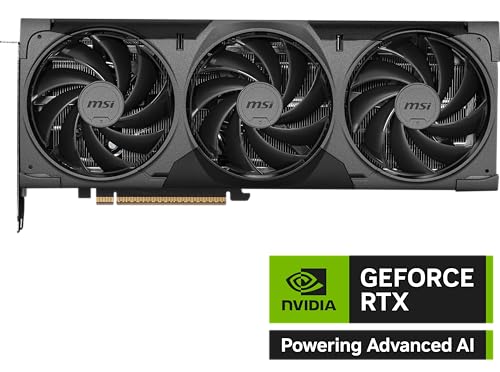
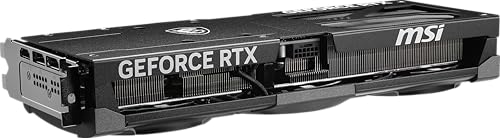
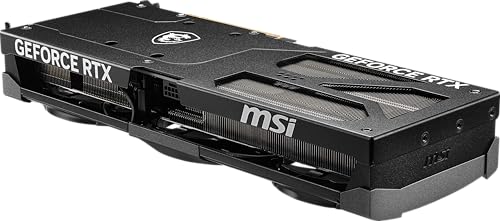
6. MSI RTX 5070 Ti 16G Ventus 3X OC Black — Flagship Performance Pick
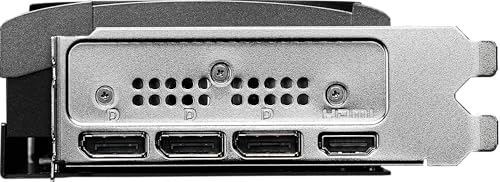
At around $990 the MSI RTX 5070 Ti Ventus 3X OC Black sits at the top of the trending list and earns the flagship performance pick. This is a fully fledged Blackwell RTX 5070 Ti with 16GB of GDDR7 on a 256-bit memory bus, boosted to a 2,482MHz extreme-performance clock, three DisplayPort 2.1a outputs, HDMI 2.1b, and MSI’s well-regarded triple-fan Ventus 3X OC cooler engineered for sustained high-load gaming.
If your target is high-refresh 4K, or 1440p ultra with every ray-tracing option enabled, this is the card on the trending list that will get you there comfortably. The 16GB VRAM allocation is genuinely future-proof for the resolutions it is designed for, the DisplayPort 2.1a outputs mean you can drive the newest high-refresh ultrawides and 4K panels at their native rates, and the Ventus 3X cooler keeps the card quiet enough to live in a tower next to your desk.
The catch, of course, is price. Spending close to a thousand dollars on a GPU only makes sense if the rest of your system can keep up — a modern Ryzen 9 or Core i7/i9, a power supply with the right 12V-2×6 connector, and a 1440p-or-better monitor that can show off the frames. For everyone else, the RX 9060 XT or RTX 5070 below it deliver more value per dollar. But if you want the strongest pure gaming GPU on this trending list, the MSI 5070 Ti is the clear ceiling.
A final buyer’s note worth flagging: in the trending price band above $800, the gap between alternative RTX 5070 Ti models often comes down to cooler design and warranty rather than raw silicon. The MSI Ventus 3X OC version specifically targets buyers who want sustained quiet performance over RGB or premium aesthetics, which is part of the reason it is the 5070 Ti that keeps surfacing in our charts. If you can stretch to this tier, you are buying years of headroom for the kind of high-refresh 4K and ultrawide panels that are themselves becoming more affordable in 2026 — and that matters more to total ownership cost than the GPU sticker price alone.

24
msi Gaming RTX 5070 Ti 16G Ventus 3X OC Black Graphics Card (16GB GDDR7, 256-bit, Extreme Performance: 2482 MHz, DisplayPort x 3 2.1a, HDMI 2.1b, NVIDIA Blackwell Architecture)
In Stock


As an Amazon Associate we earn from qualifying purchases. Product prices and availability are accurate as of the date/time indicated.
How to Choose a Trending Graphics Card in May 2026
Step 1: Set Your Real Budget, Not Your Dream Budget
The trending six in this guide span around $130 to around $990 — close to an eight-fold price range. Before you compare specs, decide the highest number you can comfortably spend on a GPU without compromising your CPU, RAM, monitor, or power supply. A balanced rig with a $460 RX 9060 XT will outperform an unbalanced rig with a $990 RTX 5070 Ti choked by a weak CPU or an old 60Hz panel. Pick the budget tier first, and you have already narrowed the trending list to one or two real candidates.
Step 2: Match the Card to Your Resolution and Refresh Rate
Resolution is the single biggest driver of GPU requirements. For 1080p gaming, the RX 580 at $130 still works and the RX 9060 XT is overkill in the best way. For 1440p at high refresh, the RX 9060 XT and the RTX 5070 are the right tier and either will serve you well for two to three years. For 4K, or 1440p ultrawide at high refresh with ray tracing enabled, you want the RTX 5070 Ti and the matching panel to enjoy it. Spending a tier above your monitor is wasted; spending a tier below it caps the screen you already own.
Step 3: Decide Whether You Need NVIDIA or AMD Specifics
Architecturally, the RX 9060 XT and the two RTX cards are all current-generation parts. The genuine NVIDIA-only reasons to pay the premium are DLSS in titles without FSR 4 parity, the NVENC encoder for streamers and content creators, and ray tracing performance at the highest settings. If none of those are decisive for you, AMD’s 16GB-for-$460 value with the 9060 XT is hard to argue with. If any of them are decisive, the RTX 5070 is the entry point and the 5070 Ti is the upgrade.
Step 4: Confirm Form Factor and Power Compatibility
Trending does not mean it will fit your case. The MSI 5070 Ti Ventus 3X is a triple-fan card and needs the length and slot clearance to match, the GIGABYTE 9060 XT Gaming OC is similarly substantial, and the ASUS RTX 5070 Prime is explicitly SFF-Ready for small builds. Check your case clearance and your PSU’s wattage and connectors before you commit. The Quadro K6000 cards are full-height blower designs aimed at workstations rather than modern gaming towers and have their own power and slot expectations.
Frequently Asked Questions About Trending Graphics Cards
Which of these trending graphics cards is the best overall value?
The GIGABYTE Radeon RX 9060 XT Gaming OC 16G at around $460. It pairs a current-generation AMD architecture with a generous 16GB of GDDR6 memory, PCIe 5.0 connectivity, and a quiet triple-fan cooler, all at a price that comfortably undercuts the equivalent NVIDIA options. For a mainstream 1440p gaming PC built to last two to three years, it is the value sweet spot on this trending list.
Is the RTX 5070 Ti really worth almost double the RX 9060 XT?
Only if you specifically need what it adds: 4K gaming, full ray tracing at high settings, NVIDIA’s DLSS upscaling in the titles you actually play, or an NVENC encoder for serious streaming. The MSI RTX 5070 Ti is the most powerful gaming card on this trending list, but at around $990 it is best matched to a high-end CPU and a 4K or 1440p ultrawide monitor. For 1440p high-refresh on a balanced build, the RX 9060 XT delivers more performance per dollar.
Why are two Quadro K6000 graphics cards trending in 2026?
Both NVIDIA Quadro K6000 listings — the standard and the Renewed version — are trending because there is still a niche professional audience refreshing K6000 boards in legacy CAD, simulation, and visualisation workstations. The 12GB GDDR5 memory and 384-bit bus remain useful for those specific workloads. For gaming, however, the K6000 is dramatically outclassed by every other card on this list, including the $130 RX 580.
Does the $130 RX 580 still make sense in 2026?
Yes, in two specific situations. First, if you are building or maintaining a 1080p gaming PC on the tightest budget and need 8GB of VRAM at the lowest possible price, the Kelinx AISURIX RX 580 still delivers. Second, if you are upgrading from integrated graphics or an even older discrete card, the RX 580 is a meaningful step up for very little money. For 1440p gaming or any title that demands modern ray tracing and upscaling, look at the RX 9060 XT or higher.
Final Verdict: The Best-Value Ranking from the Trending Six
Ranked by value — performance you get per dollar spent — our verdict from this month’s trending graphics cards is led by the GIGABYTE Radeon RX 9060 XT Gaming OC 16G. Sixteen gigabytes of VRAM, current-generation AMD silicon, and PCIe 5.0 for around $460 is the rare combination of future-proofing and price restraint that buyers should respond to. It is the card we would point the largest share of readers towards.
Behind it, the Kelinx AISURIX RX 580 takes second on a value basis: $130 for a still-capable 1080p card with 8GB of VRAM remains one of the cheapest honest gaming GPU buys on Amazon. The ASUS RTX 5070 Prime 12GB SFF takes third for buyers who specifically need NVIDIA features in a compact build, and the MSI RTX 5070 Ti Ventus 3X follows it for 4K and ultrawide enthusiasts where its premium is genuinely earned. The two NVIDIA Quadro K6000 listings close out the ranking — excellent for their narrow professional use cases, but well outside the picture for almost any gaming buyer in 2026.
Related Buying Guides
- Best GPUs for Your Build
- Best Graphics Cards Overall
- Best 1440p Graphics Cards
- Best 4K Graphics Cards
- Best Budget Graphics Cards
- Best CPUs for Gaming
- Best Power Supplies for GPUs
- Best Gaming Monitors
Affiliate Disclosure: As an Amazon Associate, we earn from qualifying purchases. If you click a link and make a purchase, we may earn a small commission at no extra cost to you. Prices and availability are accurate as of publication and may change.