- Top Pick: Keychron Q1 Pro mechanical keyboard
- Runner-up: Logitech G502 HERO gaming mouse
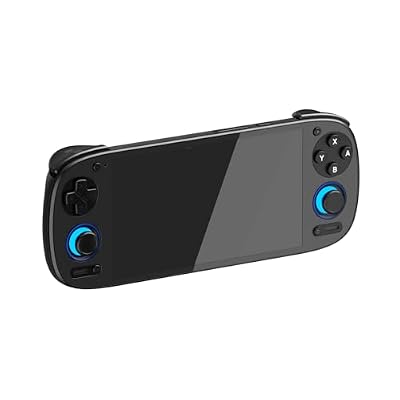
- Also consider: Valve Steam Deck OLED 512GB
Immersive sims ask more of a player than most genres: read the room, stack the systems, and solve the problem your own way. The good news for Linux players is that this particular canon is almost entirely single-player, largely free of kernel-level anti-cheat, and old enough in its foundations that the compatibility story is unusually calm. Between one genuine native port, a deep Proton bench and community engines keeping the classics alive, nearly the whole genre is playable without leaving Linux.
This catalogue goes shelf by shelf: what an immersive sim actually is, the titles that run natively, the classics kept alive by source ports and fan patches, and the modern bench that runs through Proton. Every status below reflects the public record on Steam and ProtonDB, stated title by title so you can see which entries are safe bets and which one still asks for patience.
As an Amazon Associate, we earn from qualifying purchases.
Quick answer
Most of the immersive sim canon plays well on Linux. Deus Ex: Mankind Divided has a real native port, Dishonored and Prey carry Platinum ratings on ProtonDB, the System Shock remake is Platinum, and the Thief and System Shock classics survive through Proton plus community work. Deathloop is the one cautious entry, rated Silver and trending Gold.
What makes a game an immersive sim
The genre traces back to Looking Glass Studios and titles like Ultima Underworld, System Shock and Thief. The shared design language is simulation over scripting: systems for light, sound, physics, guard awareness and inventory interact consistently, so the game answers whatever the player tries instead of checking a flag. A locked door might be picked, blown open, bypassed through a vent, or simply avoided because the objective lies elsewhere.
That design heritage is exactly why the genre travels well to Linux. These are self-contained single-player worlds with no live-service layer and no anti-cheat gatekeeper standing between the player and the simulation. The obstacles are purely technical — an old engine, a video codec, a launcher quirk — and those are the kinds of problems Proton and community patches are good at dissolving.
The native shelf: real Linux ports
The shelf is short, but it holds one of the genre’s biggest names. Deus Ex: Mankind Divided was ported to Linux by Feral Interactive and is sold on Steam as the same product with Linux listed among its platforms, so it installs and runs as a Linux game outright, with no compatibility layer involved. It remains the clearest proof that a big-budget immersive sim can live on Linux natively, and its systems-heavy stealth and augmentation builds lose nothing in the port.
Alien: Isolation, also a Feral Linux release, sits beside it as a close relative rather than a pure member of the genre. It borrows the immersive sim toolkit — systemic AI, crafting, multiple routes through hostile spaces — and wraps it in survival horror. Players who want the tension of the genre with a native install and no tinkering will find it the easiest starting point on this entire page.
The third native entry costs nothing. The Dark Mod is a free, standalone game inspired by Thief, built by fans on the open-sourced id Tech 4 engine, with native Linux builds and a large library of community missions. It is not a port of a commercial title; it is the genre’s grassroots keeping its own founding style alive, and it runs on Linux as a first-class platform.
The classics: source ports and community engines
The founding games reach Linux through a mix of Proton and open engines. System Shock: Enhanced Edition, Nightdive’s re-release of the 1994 original, runs through Proton with a Platinum rating on ProtonDB, though the report count behind that rating is still small. Alongside it, the community-built Shockolate engine rebuilds the original System Shock to run natively on modern systems, using the game files from a copy you own — the source-port route in its purest form.
Thief: The Dark Project, in its Gold edition, and Thief II: The Metal Age run through Proton at a Gold rating, with recent reports trending Platinum. The standard route pairs the Steam version with the community TFix patch, which bundles the NewDark engine update and fixes the video and widescreen issues these games have on any modern system, Windows included. Deus Ex, from 2000, holds a Platinum rating and is usually paired with community launchers and patches that stabilise it; System Shock 2 likewise sits at Platinum. None of these classics needs anti-cheat, a launcher account check or a server — they are files, an engine and your machine.
The Proton shelf: the modern bench
Dishonored is the bench at its best: a Platinum rating across hundreds of reports, no caveats that matter, and a game that rewards the keyboard-and-mouse precision Linux players already have. Dishonored 2 rates Gold overall with recent reports trending Platinum; its heavier engine asks more of the hardware than its predecessor, but the public record says it runs. The Death of the Outsider standalone expansion follows its parent game’s pattern.
Prey, Arkane’s 2017 space-station sim, is Windows-only on Steam and still carries a Platinum rating — one of the safest big-name purchases a Linux player can make in this genre. The System Shock remake from Nightdive, a full rebuild of the original rather than a port, is also Platinum. Deus Ex: Human Revolution, in its Director’s Cut form, rates Gold and trends Platinum; it is the Proton counterpart to its sequel’s native port.
Deathloop is the honest exception. It rates Silver on ProtonDB, trending Gold in recent reports, and the pattern in those reports is a heavier, fussier game than the rest of the bench — expect to check the recent reports for your hardware and to accept some tinkering. It is playable, and improving, but it is the one title here where the word “seamless” does not apply.
Gear for long, quiet sessions
Immersive sims are played slowly, in the dark, with headphones on and saves stacked. The gear below suits that rhythm.
Keychron Q1 Pro mechanical keyboard

A heavy, quiet board suits methodical play: remappable keys for lean, quicksave and gadget wheels, and a knob for volume during long listening stretches.
Specs:
- Layout: 75 percent, gasket-mounted deck
- Switches: hot-swappable, several factory options
- Remapping: QMK and VIA support, per-key layouts
- Connectivity: wired USB-C and Bluetooth
- Frame: full aluminium body
Logitech G502 HERO gaming mouse

Eleven programmable buttons map cleanly onto powers, gadgets and weapon wheels, and the precise sensor keeps slow, deliberate aiming honest.
Specs:
- Sensor: HERO 25K optical
- Buttons: 11 programmable
- Weight: adjustable with removable weights
- Connectivity: wired USB
- Extras: dual-mode scroll wheel, onboard memory
Valve Steam Deck OLED 512GB

The genre’s pause-friendly structure suits a handheld: suspend mid-mission, resume on the same patrol route, and play the older bench comfortably.
Specs:
- Display: 7.4-inch HDR OLED
- Storage: 512GB NVMe internal
- System: SteamOS with Proton built in
- Controls: dual thumbsticks, trackpads, back buttons
- Battery: 50 watt-hour cell
WD_BLACK SN850X 2TB NVMe SSD

Modern sims and their shader caches appreciate fast storage; a 2TB drive holds the whole bench plus the classics without rotation.
Specs:
- Capacity: 2TB
- Interface: PCIe Gen4 NVMe, M.2 2280
- Model: WDS200T2X0E
- Use case: desktop installs and large game libraries
SanDisk 1TB Extreme microSDXC card

For Steam Deck owners, a fast card carries the classic shelf — Thief, System Shock and Deus Ex take little room and load quickly.
Specs:
- Capacity: 1TB
- Class: UHS-I microSDXC, A2 rated
- Model: SDSQXAV-1T00-GN6MA
- Use case: Steam Deck library expansion
How to choose
Start by deciding which shelf you want to live on. If you want zero compatibility layer, the choice is Mankind Divided, Alien: Isolation and The Dark Mod — a small shelf, but every hour on it is a native hour. If you want the genre’s peaks, accept Proton and take Dishonored and Prey first; their Platinum records are the strongest evidence this catalogue has. Treat Deathloop as a second-wave purchase once you are comfortable reading ProtonDB reports for your own hardware.
For the classics, budget a little setup time rather than money: install the game, apply the community patch the reports recommend, and keep a backup of the patched folder. Check ProtonDB on the day you install, not the day you buy — ratings trend, and Deathloop’s upward trend is the standing example.
Who should skip this
Skip the genre entirely if scripted, guided action is what you enjoy; immersive sims deliberately withhold direction, and some players read that freedom as emptiness. Skip Deathloop for now if any tinkering at all is a deal-breaker. Skip the classics if unpatched retro presentation — low-resolution textures, sparse voice acting, tank-era interfaces — breaks your immersion rather than feeding it. And skip the whole catalogue if you only play online: there is almost nothing here for you, by design.
FAQ
Is Deus Ex: Mankind Divided really native on Linux?
Yes. Feral Interactive ported it, and Steam lists Linux among the game’s platforms, so it installs as a Linux build with no Proton involved. It is the only big-budget immersive sim of its generation with a genuine native port.
Which immersive sim is the safest first purchase on Linux?
Dishonored or Prey. Both hold Platinum ratings on ProtonDB across large report counts, both are single-player with no anti-cheat complications, and both represent the genre at its most polished.
Do the Thief games work without extra work?
They run through Proton at a Gold rating, but the recommended route adds the community TFix patch, which resolves the video and display issues these games show on modern systems. It is a few minutes of setup, documented thoroughly by the community.
Why is Deathloop rated lower than the rest?
Its public record on ProtonDB is Silver, trending Gold: heavier performance demands and more variable reports than the Arkane and Nightdive titles around it. It is playable, but check the recent reports for hardware close to yours before buying.
Final verdict
Linux is an unexpectedly strong home for immersive sims. The genre’s design roots — self-contained worlds, no live services, no anti-cheat — remove the obstacles that block other genres, leaving one native flagship in Mankind Divided, a Platinum-rated Proton bench in Dishonored, Prey and the System Shock remake, and classics sustained by source ports and fan patches. Only Deathloop still asks for patience. For players who like their games systemic, this catalogue is close to complete.