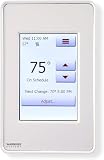
- Top Pick: Warming Systems Electric Radiant Floor Heating Thermostat, Touch Screen Programmable Thermostat with GFCI, 120V or 240V, with Intuitive Screen Interface, UDG4-4999, Includes Floor Sensor
- Best Value: Programmable Thermostat for House Radiant Underfloor Heating, Home Heat Floor Mat Controller self-Adaption AC(120/240V) Voltage, Dual Sensing(Air&Floor Sensor) Built-in Class A GFCI, Power 3600W
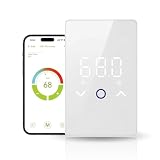
- Premium Choice: MAXKOSKO WiFi Smart Radiant Underfloor Heating Thermostat LED Touchscreen | 120V/240V, 7-Day Energy Saving Programmable Thermostat White, Easy Connection
An electric radiant floor is only as good as the thermostat on the wall. Pick the wrong one and the bathroom tile stays cold at 6 a.m., the heating cable runs when nobody is home, or the control simply cannot carry the load of the mat you installed. Unlike an ordinary furnace thermostat, a floor-heating control switches line voltage directly, so the electrical details printed in the product title carry more weight than the app features.
This 2026 guide covers ten options for electric radiant floors, from simple rotary dials to Wi-Fi touchscreens that report energy use. It is written for homeowners finishing a bathroom or kitchen remodel, installers looking for a reliable GFCI-equipped control, and anyone upgrading an older dial. The sections after the table explain the voltage, sensor and load limits you need to confirm before buying anything.
Quick Picks
As an Amazon Associate we earn from qualifying purchases at no extra cost to you.




| Product | Best for | Key spec from the title |
|---|---|---|
| Warming Systems UDG4-4999 | Touchscreen with sensor | GFCI, 120V or 240V, floor sensor included |
| Dual-Sensing Programmable (3600W) | High-load mats | Class A GFCI, air and floor sensors, 3600W |
| MAXKOSKO WiFi | Smart schedule | WiFi, 7-day programmable, 120V/240V |
| SunTouch SunStat CommandPlus | App control with energy data | 4.3-inch touchscreen, Wi-Fi, energy monitor |
| YeloDeer WiFi | Remote control | Dual voltage, touchscreen, programmable |
| YeloDeer Rotary | Simple dial | Non-programmable, 15A, standard wall box |
| OJ Microline UTN4 | Dependable basic control | Class A GFCI, dual sensing, 3-year warranty |
| SunTouch SunStat ConnectPlus | Voice assistants | Alexa and Google compatible, energy monitoring |
| VEVOR 7-Day Programmable | Schedules without Wi-Fi | LCD touchscreen, GFCI, no WiFi |
| OJ Microline UDG-4999 | Backup sensor | GFCI, dual voltage, 2 floor sensors |
How to Choose
Voltage, Load and Wall Box
Check the voltage of your heating mat first. Most controls here accept 120V or 240V, but a few specify only one. Then compare the control’s maximum load to the mat’s wattage. A 15A limit is 1,800 watts at 120V and 3,600 watts at 240V, so a large 240V floor needs a control that lists that headroom. Confirm the control fits a standard North American wall box and has a depth that clears your wiring.
GFCI Protection
Floor heating in bathrooms and kitchens is typically required to have ground-fault protection. Controls that list a built-in Class A GFCI save you from adding a separate breaker. If your product title does not mention GFCI, verify with the manufacturer’s installation sheet and your local code before purchase.
Sensors: Floor, Air or Both
A floor sensor protects the flooring from overheating. A dual-sensing control reads both the floor and the room air, which lets you limit the maximum floor temperature while still hitting a comfortable room temperature. Spare sensors, as with the two-sensor OJ Microline, are worth having because a sensor embedded in a floor cannot be easily replaced.
Programming and Smart Features
A 7-day schedule lets you warm the floor before you wake and let it idle during work hours. Wi-Fi adds remote control and energy reports, but it is optional. Non-programmable dials are simple and have fewer parts to fail, though they leave you managing heat by hand. Ignore decorative extras like large color screens if all you want is a warm bathroom floor on a schedule. Budget models usually cut corners on documentation, sensor length and support, so check what the box actually includes.
The 10 Best Options
Warming Systems UDG4-4999
A touchscreen programmable thermostat with built-in GFCI that accepts 120V or 240V and includes a floor sensor. It is a solid all-around control for a standard bathroom floor where you want a schedule and a clean interface. Homeowners who are tiling a small bath or entry will find the pairing of a sensor and GFCI in the box convenient, because it cuts down on separate parts to source before the electrician arrives.
- Strength: dual-voltage compatibility simplifies matching to your mat.
- Strength: the included floor sensor and GFCI cover two common add-ons.
- Trade-off: the title lists no Wi-Fi or app, so adjustments happen at the wall.
Skip it if you want phone control.
Dual-Sensing Programmable (3600W)
This unbranded programmable control lists self-adapting 120/240V operation, dual air and floor sensing, a built-in Class A GFCI and a capacity of 3600W. It is aimed at larger floor heating mats that need headroom. For a primary suite or a large kitchen floor, the higher stated load is the kind of margin that keeps a control from running at its limit every cold morning.
- Strength: 3600W capacity suits bigger runs on 240V.
- Strength: air and floor sensing balance room comfort with floor protection.
- Trade-off: brand support and documentation are less clear than from established makers.
Skip it if you want a recognizable installer-backed brand.
MAXKOSKO WiFi
A Wi-Fi smart control with an LED touchscreen, 7-day energy-saving schedule and dual-voltage compatibility. It is built for homeowners who like the idea of changing the floor temperature from their phone. A smart schedule is handy for second homes or rentals, where you can warm the floor shortly before you arrive instead of leaving it on all week.
- Strength: Wi-Fi and a 7-day schedule suit varied household routines.
- Strength: 120V/240V support covers most mat types.
- Trade-off: the title does not mention GFCI or a sensor type, so confirm details before buying.
Skip it if ground-fault protection must be built in.
SunTouch SunStat CommandPlus
A Wi-Fi floor thermostat with a 4.3-inch touchscreen, 7-day schedule, floor and air sensing, an energy monitor and app remote access. It leans toward users who want visibility into running time. The larger screen also makes the schedule easy to read at a glance, which helps in a shared household where several people change the settings.
- Strength: floor and air sensing together improve control.
- Strength: the energy monitor helps you see how often the floor heats.
- Trade-off: the large screen and smart features are more than a simple bath needs.
Skip it if you only want a set-it-and-forget-it dial.
YeloDeer WiFi
A dual-voltage 120V/240V Wi-Fi control with a touchscreen LED display, programmable scheduling and remote control. It is aimed at buyers who want smart features in a simple package. A YeloDeer Wi-Fi pairing with a modest mat is the sort of combination that appeals to a first-time buyer who wants to experiment with scheduling without moving up to a premium name.
- Strength: remote control by phone and programmable timing.
- Strength: energy-saving scheduling with easy connection described in the title.
- Trade-off: the title lists no GFCI or sensor details.
Skip it if you need to confirm every code-related feature from the listing alone.
YeloDeer Rotary
A basic non-programmable dial at 120/240V with a floor sensor, built to fit a standard North American wall box with a 15A limit. It is the minimalist choice, well matched to a guest bath or a short run of cable where a weekly program would never be touched. A dial also makes sense for older owners who prefer a visible, physical setting.
- Strength: simple rotary operation with nothing to program.
- Strength: floor sensor and standard wall-box fit are stated.
- Trade-off: no schedule means the floor stays on until you turn it down.
Skip it if you want automated warm-ups.
OJ Microline UTN4
A non-programmable control with a Class A GFCI, 120/240V operation, dual sensing and an included sensor. It carries a 3-year warranty and support noted in the title. Remodelers who want the reassurance of a clear warranty period and a domestic support line will see the appeal, even though the dial-style operation is basic.
- Strength: Class A GFCI plus dual sensing in a straightforward unit.
- Strength: 3-year warranty and USA product support.
- Trade-off: no programming means manual adjustments.
Skip it if you want a weekly schedule.
SunTouch SunStat ConnectPlus
A smart Wi-Fi control with a 4.3-inch touchscreen, Alexa and Google compatibility, remote access through the Watts Home app, floor and air sensing and energy monitoring. Households already using a voice assistant can ask for a warmer floor without picking up a phone, and the shared app logs help track how the floor heating is being used over a season.
- Strength: voice assistant support for hands-free changes.
- Strength: floor and air sensing plus energy monitoring.
- Trade-off: reliance on an app and Wi-Fi adds setup steps.
Skip it if your bathroom has weak Wi-Fi.
VEVOR 7-Day Programmable
A programmable control without Wi-Fi, listed for underfloor heating cable and heat pumps, with an LCD touchscreen, GFCI and a sensitive sensor. The listing also mentions use with a heat pump, so it looks aimed at a broad range of heating setups; buyers should confirm that their own system matches before wiring anything.
- Strength: a 7-day schedule without any network setup.
- Strength: GFCI and an energy-efficiency focus are listed.
- Trade-off: the title does not list voltage, so verify compatibility.
Skip it if your mat needs 120V and 240V confirmation.
OJ Microline UDG-4999
A programmable dual-voltage control with built-in GFCI, dual sensing and two floor sensors, one primary and one backup. It reads as the thorough option for a high-end tile or stone floor, where reaching the embedded sensor later would mean breaking up finished work.
- Strength: the backup sensor protects a hard-to-service floor.
- Strength: GFCI, dual sensing and programming in one control.
- Trade-off: no Wi-Fi is mentioned.
Skip it if you want smartphone control.
Which One Fits Your Situation
You Are Remodeling a Bathroom
The Warming Systems UDG4-4999 combines GFCI, a floor sensor and dual voltage in a touchscreen control, which keeps the shopping list short for a bathroom where tile, mat and control all arrive in the same week.
You Want App Control
The SunTouch SunStat CommandPlus or ConnectPlus fit best, with the latter adding Alexa and Google compatibility.
You Want the Simplest Control
The YeloDeer Rotary or the OJ Microline UTN4 avoid programming altogether, which suits a guest bath, a vacation cabin or an owner who simply dislikes touchscreens.
You Need a Backup Sensor
The OJ Microline UDG-4999 includes two floor sensors for peace of mind, a worthwhile feature under natural stone or a finished kitchen floor.
Common Mistakes
- Ignoring the control’s maximum load against the mat’s wattage.
- Assuming every control includes a floor sensor or GFCI.
- Mixing up 120V and 240V mats and controls.
- Buying Wi-Fi features with a weak signal at the install location.
- Skipping the manufacturer installation sheet and local code check.
Related guides
- Combination Smoke And Carbon Monoxide Detectors
- Aio Liquid Coolers For High Performance Gaming
- How To Lower Input Delay In Competitive Shooters
Frequently Asked Questions
Do I need a GFCI thermostat for floor heating?
Often yes, especially in wet areas. Many controls include Class A GFCI protection, so check the title and local requirements. When in doubt, ask the electrician who will connect the circuit, because code differs between regions and between room types.
Is a programmable thermostat worth it?
If you heat the floor daily, a schedule can warm the tile before you wake and reduce heating when nobody is home. It also removes the daily habit of turning a dial up and forgetting to turn it down again.
What is dual sensing?
It means the control reads both floor and air temperatures, so it can limit the floor while still reaching room comfort.
Can I use any thermostat with any heating mat?
No. Match the voltage and confirm the control handles the mat’s total wattage. If the numbers sit close to the limit, choose the control with more headroom or split the floor into two zones.