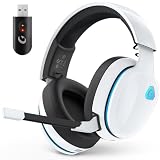
- Top Pick: Soundcore by Anker Q20i Hybrid Active Noise Cancelling Headphones, Black
- Best Value: Soundcore by Anker Q20i Hybrid Active Noise Cancelling Headphones, White
- Premium Choice: Bose QuietComfort Headphones – Wireless Bluetooth Headphones, Active Over Ear Noise Cancelling and Mic, USB-C Charging, Deep Bass, Up to 24 Hours of Playtime, Twilight Blue – Limited Edition Color
Affiliate disclosure: As an Amazon Associate we earn from qualifying purchases. This post contains affiliate links — if you buy through them we may earn a small commission at no extra cost to you. This never affects our recommendations.
Over-ear headphones remain the gold standard for extended listening — their large drivers, spacious ear cups, and passive isolation outperform on-ear and in-ear alternatives across the board. Whether you’re mixing a track, grinding ranked matches, or commuting across the city, the right over-ear pair makes every hour better. We compared studio cans, gaming headsets, and all-day wireless options to find 2026’s best.
In a hurry? See the top-rated Over-Ear Headphones deals available right now:
🛒 Check Over-Ear Headphones Prices on Amazon →🛒 Best Price Today on Amazon
Prime members get fast, free shipping on everything above, plus member-only deals. New members get a 30-day free trial — cancel anytime.
Start 30-Day Prime Free Trial →See Today’s Amazon DealsTop Picks at a Glance
| Headphone | Driver Size | Type | Best For | Price Range |
|---|---|---|---|---|
| Sony WH-1000XM5 | 30mm | Wireless ANC | All-round best | $$$ |
| Sennheiser HD 560S | 38mm | Wired open-back | Audiophile listening | $$ |
| Audio-Technica ATH-M50x | 45mm | Wired closed-back | Studio monitoring | $$ |
| Beyerdynamic DT 770 PRO | 45mm | Wired closed-back | Studio & reference | $$ |
| HyperX Cloud Alpha | 50mm | Wired gaming | PC/console gaming | $$ |
As an Amazon Associate we earn from qualifying purchases at no extra cost to you.


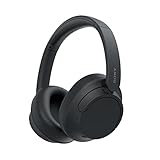

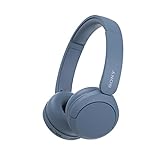

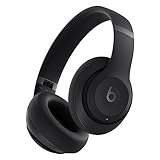
1. Sony WH-1000XM5 — Best Over-Ear for Everyday Use
- Specs: 30mm integrated processor unit driver, Bluetooth 5.2, LDAC, 30-hour ANC battery, 250g
- Comfort: Ultra-soft synthetic leather earpads and a redesigned headband distribute weight evenly — tested for 8-hour sessions without discomfort
- Sound: Balanced profile leaning warm with extended bass and smooth highs — universally flattering across genres
- Pros: Best ANC in class, multipoint pairing, speak-to-chat, call quality rivals dedicated headsets
- Cons: Ear cups don’t fold — less travel-friendly than predecessors; no IP rating
2. Sennheiser HD 560S — Best for Audiophile Listening
- Specs: 38mm transducer, open-back design, 120 ohms, 6Hz–38kHz, 240g, detachable cable
- Soundstage: Open-back architecture creates a wide, three-dimensional soundstage that envelops rather than encases the listener
- Neutrality: Sennheiser tuned the HD 560S to a neutral, slightly bright response — honest representation of the source with no coloration
- Pros: Exceptional instrument separation, natural timbre, comfortable self-adjusting headband, affordable for audiophile tier
- Cons: Open-back leaks sound both ways — not for shared spaces; needs amplification above 100 ohms for full dynamics
3. Audio-Technica ATH-M50x — Best Studio Monitor
- Specs: 45mm drivers with rare-earth magnets, 15Hz–28kHz, 38 ohms, three detachable cables, 285g
- Industry Standard: The M50x has appeared in more recording studios, podcasting booths, and music schools than any other headphone — for good reason
- Sound: V-shaped with emphasized bass and treble; precise enough to catch mix problems, engaging enough for casual listening
- Pros: Swivels 90 degrees for single-ear monitoring, folds compactly, three cable options included, widely repairable
- Cons: Pleather pads get warm on long sessions, clamping force is high initially, no wireless option on this base model
4. Beyerdynamic DT 770 PRO — Best for Reference Monitoring
- Specs: 45mm drivers, available in 32/80/250 ohm versions, single-sided coiled cable, velour earpads, made in Germany
- Reference Accuracy: DT 770 PRO’s flat frequency response and minimal harmonic distortion make it the professional’s choice for critical listening and broadcast
- Build: Steel headband, replaceable velour earpads, and a coiled cable designed for studio racks — this headphone is built to last a decade
- Pros: Replaceable parts (pads, cable, headband), accurate bass extension, extremely detailed mid-range, German build quality
- Cons: 250-ohm version requires a dedicated amp; coiled cable is bulky for portable use; no wireless
5. HyperX Cloud Alpha — Best Over-Ear for Gaming
- Specs: 50mm dual-chamber drivers, detachable noise-cancelling mic, braided cable, aluminum frame, 336g
- Dual-Chamber Design: HyperX’s patented dual-chamber driver separates bass from mids/highs — reducing distortion at high volumes for cleaner positional audio
- Gaming Performance: Wide soundstage and precise directional audio make footsteps and gunfire easy to locate — critical for competitive titles
- Pros: Discord-certified microphone, works on PC/PS/Xbox/Switch via 3.5mm, durable aluminum construction, replaceable ear cushions
- Cons: No wireless version (Cloud Alpha S adds USB DAC), heavier than Sony and Bose alternatives, mic is fixed angle
Buying Guide
Open-Back vs. Closed-Back: The Fundamental Choice
Open-back headphones (HD 560S) have perforated or grille-covered ear cups that allow air exchange. This produces a wide, natural soundstage but also leaks sound — everyone nearby hears your music, and you hear the room. Closed-back headphones (ATH-M50x, DT 770 PRO, HyperX Cloud Alpha) seal the ear cup completely, providing isolation and controlled bass response. Rule of thumb: private listening at home = open-back; shared spaces = closed-back.
Impedance and Amplification
Impedance measures how much electrical resistance a headphone presents to its source. Low-impedance cans (32 ohms) run fine from phones and laptops. High-impedance models (250 ohms) need a dedicated headphone amplifier to reach correct volume and dynamics. The DT 770 PRO’s 250-ohm version sounds constrained from a phone — invest in a DAC/amp like the FiiO E10K or Schiit Fulla. The 80-ohm DT 770 PRO variant works without an amp for casual use.

Comfort Over Long Sessions
Gaming and studio work means wearing headphones for 4–8 hour stretches. Velour earpads (DT 770 PRO, HD 560S, HyperX Cloud Alpha) breathe and stay cool significantly longer than pleather or protein leather. Headband padding and weight distribution matter equally — the DT 770 PRO’s steel headband spreads load evenly; the Sony XM5’s lightweight 250g frame reduces fatigue regardless of material. Try headphones in store if possible, or buy from retailers with lenient return policies.
Gaming Headset vs. Audiophile Headphone + Mic
Dedicated gaming headsets integrate a microphone for convenience. Audiophile headphones + a separate USB mic (like the HyperX QuadCast) deliver better audio on both ends but cost more and require desk space. For casual gaming: a headset works. For streaming, content creation, or competitive play where every advantage matters: separate headphone and mic is the right call. The HyperX Cloud Alpha bridges both worlds acceptably.

FAQ
- What’s the best over-ear headphone under $100?
- The Sennheiser HD 560S frequently dips under $150 on sale and represents the best audio quality per dollar at that tier. For sub-$100, the Audio-Technica ATH-M20x (wired) or Anker Q45 (wireless) are solid alternatives.
- Are over-ear headphones better than earbuds for sound quality?
- Generally yes. Larger drivers produce more accurate bass and wider soundstages. Over-ear cups also provide better passive isolation without requiring in-ear seals. For raw sound quality, over-ear wins at equivalent price points.
- Can I use studio headphones (ATH-M50x, DT 770) for gaming?
- Yes, very effectively. Their precise, detailed sound is excellent for positional audio in gaming. You’ll need a separate mic (clip-on or desktop) since studio headphones don’t include one.
- How do I clean over-ear headphone ear pads?
- For pleather/protein leather: wipe with a slightly damp cloth, then dry immediately. For velour: use a lint roller or soft brush. Avoid alcohol on leather pads as it dries them out. Replace pads when they crack or compress flat — most brands sell replacement pads for $15–$30.
- Do wireless over-ear headphones have audio delay for gaming?
- Bluetooth introduces 30–100ms latency depending on the codec. This is noticeable for competitive gaming. Wired headphones have near-zero latency. For gaming, go wired; for casual use, wireless is fine.
Final Verdict
The Sony WH-1000XM5 is the best over-ear headphone for most people in 2026 — it’s comfortable enough for all-day use, quiet enough to focus anywhere, and sounds good enough to satisfy casual audiophiles. Studio producers and critical listeners should grab the Beyerdynamic DT 770 PRO (with an amp) or the Sennheiser HD 560S for its open-back realism. Gamers who want dedicated performance without audiophile complexity will be well-served by the HyperX Cloud Alpha. Every pick on this list earns its place — the right choice depends entirely on where and how you listen.
Related Gaming Guides

Related Articles
Looking for more on this topic? Browse the hand-picked guides below — each one applies the same scoring rubric used in this review.
Frequently Asked Questions
What is the difference between open-back and closed-back?
Closed-back headphones seal the outer cup, blocking outside noise and preventing sound from leaking to people around you, which suits commuting, offices and recording. Open-back cups let air pass through, producing a wider, more natural soundstage and less pressure buildup, but they leak sound badly and offer essentially no isolation. Open-back suits quiet rooms only.
Do I need a headphone amplifier or DAC?
Most consumer over-ears rated at 32 ohms run loudly enough from a phone or laptop. High-impedance studio models such as the 250 or 600 ohm Beyerdynamic DT series, and some planar magnetics, genuinely need an amp to reach proper volume and control the drivers. Check impedance and sensitivity before assuming you need extra hardware.
Are over-ear headphones better than on-ear for long sessions?
Generally yes. Over-ear pads surround the ear and rest on the skull, spreading pressure across a wide area. On-ear designs press directly on the cartilage of your ear, which becomes painful after an hour or two for many people. Over-ears also isolate better, though they get warmer in hot rooms.
How do I know if the fit will be comfortable?
Look at clamping force, pad depth and total weight. Anything above roughly 350 grams starts to feel heavy after a couple of hours unless the headband distributes weight well. Pads should be deep enough that your ears do not touch the inner driver baffle. Velour and perforated leather run cooler than sealed protein leather.
Can I replace worn earpads?
On most reputable models yes, and you should. Pads compress and flake after 18 to 36 months, which changes both comfort and sound by altering the seal. Manufacturers such as Sony, Sennheiser, Beyerdynamic and Audio-Technica sell official replacements, and third-party pads exist for popular models at lower cost.
Ready to decide? Our #1 pick for 2026 is the Sony WH-1000XM5.
Live price & availability on Amazon.