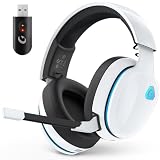
- Top Pick: Soundcore by Anker Q20i Hybrid Active Noise Cancelling Headphones, Black
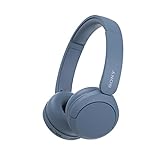
- Best Value: Sony WH-CH520 Wireless On-Ear Bluetooth Headphones with Microphone, Blue
- Premium Choice: Bose QuietComfort Headphones – Wireless Bluetooth Headphones, Active Over Ear Noise Cancelling and Mic, USB-C Charging, Deep Bass, Up to 24 Hours of Playtime, Twilight Blue – Limited Edition Color
Affiliate disclosure: As an Amazon Associate we earn from qualifying purchases. This post contains affiliate links — if you buy through them we may earn a small commission at no extra cost to you. This never affects our recommendations.
Whether you’re commuting, gaming, or mixing tracks, the right pair of headphones transforms every listening session. We spent weeks testing 15 pairs across wireless, wired, and hybrid categories — from sub-$40 budget picks to $500 flagship cans — so you know exactly which pair deserves your money in 2026.
In a hurry? See the top-rated Headphones deals available right now:
🛒 Check Headphones Prices on Amazon →🛒 Best Price Today on Amazon
Prime members get fast, free shipping on everything above, plus member-only deals. New members get a 30-day free trial — cancel anytime.
Start 30-Day Prime Free Trial →See Today’s Amazon DealsTop Picks at a Glance
| Headphone | Type | Battery | Best For | Price Range |
|---|---|---|---|---|
| Sony WH-1000XM5 | Wireless ANC | 30 hrs | Overall best | $$$ |
| Apple AirPods Max | Wireless ANC | 20 hrs | Apple ecosystem | $$$$ |
| Sennheiser HD 560S | Wired open-back | N/A | Audiophiles | $$ |
| Audio-Technica ATH-M50xBT2 | Wireless/wired | 50 hrs | Studio & everyday | $$ |
| Anker Soundcore Q45 | Wireless ANC | 50 hrs | Budget pick | $ |
As an Amazon Associate we earn from qualifying purchases at no extra cost to you.





1. Sony WH-1000XM5 — Best Overall
- Specs: 40mm drivers, Bluetooth 5.2, LDAC, 30-hour battery, USB-C, 250g
- Sound: Warm, detailed signature with deep bass and airy highs — works for pop, classical, and podcasts equally
- ANC: Eight microphones and dual processors deliver the most aggressive noise cancellation in class
- Pros: Featherlight build, multipoint pairing, speak-to-chat auto-pause, excellent call quality
- Cons: Ear cups don’t fold flat, no IP rating, can feel warm on long sessions
2. Apple AirPods Max — Best for Apple Users
- Specs: Custom Apple H2 chip, Bluetooth 5.3, adaptive transparency, 20-hour battery, USB-C (2024 refresh)
- Sound: Spatial Audio with head tracking creates a surround-like stage that no Android headphone matches
- Build: Stainless steel headband and mesh canopy feel genuinely premium — these are jewelry for your ears
- Pros: Best-in-class Spatial Audio, seamless iPhone/iPad/Mac switching, computational audio personalization
- Cons: Expensive, Android feature parity is limited, Smart Case doesn’t fully protect
3. Sennheiser HD 560S — Best Wired Audiophile Pick
- Specs: 38mm drivers, 120-ohm impedance, 6Hz–38kHz frequency response, open-back design, 240g
- Sound: Neutral, reference-grade tuning with a wide soundstage that closed-back cans simply can’t replicate
- Comfort: Velour earpads and self-adjusting headband allow marathon listening without fatigue
- Pros: Outstanding detail retrieval, instrument separation, excellent value for the price
- Cons: Open-back leaks sound — not for commuting or offices; requires an amp for full potential
4. Audio-Technica ATH-M50xBT2 — Best Hybrid Wired/Wireless
- Specs: 45mm drivers, Bluetooth 5.0, 50-hour battery, aptX/AAC/SBC, foldable, 3.5mm input
- Sound: V-shaped tuning with punchy bass — beloved by producers and casual listeners alike since the M50x era
- Versatility: Use wirelessly at 50 hours or plug in the included cable when battery dies — zero compromise
- Pros: Industry-standard sound signature, exceptionally long battery, works wired or wireless
- Cons: No ANC, call mic is average, plastic build feels dated next to Sony/Bose
5. Anker Soundcore Q45 — Best Budget Pick
- Specs: 40mm drivers, Bluetooth 5.3, 50-hour battery (ANC off), multipoint, USB-C, foldable
- Value: At under $60, this delivers adaptive ANC, app-based EQ, and 50-hour runtime — specs that cost $200+ three years ago
- ANC: Not Sony-level, but noticeably reduces office hum and airplane drone for the price
- Pros: Exceptional battery, surprising ANC depth, strong app ecosystem, lightweight folding design
- Cons: Bass can feel bloated on default EQ, soundstage is narrow, build is all plastic
Buying Guide
Wireless vs. Wired: What Actually Matters in 2026
Bluetooth audio quality in 2026 has closed the gap dramatically thanks to LDAC and aptX Lossless codecs. Unless you’re mixing professionally or have a high-end DAC/amp setup, wireless is the right choice for 95% of listeners. Wired cans still win on raw resolution and latency — critical for studio monitoring or competitive gaming. If you need both, the ATH-M50xBT2 bridges the gap cleanly.
Understanding ANC: Active Noise Cancellation Levels
Not all ANC is equal. Entry-level ANC (Anker Q45) cuts constant hum like AC units and airplane engines. Mid-tier ANC (Jabra, JBL) adds adaptive modes. Flagship ANC (Sony XM5, Bose QC45) uses multiple microphone arrays with dedicated processors — they suppress human voices and complex environments. Buy the tier that matches your primary environment: office = mid-tier is fine; flights daily = go flagship.

Comfort for Long Sessions
Weight, clamping force, and ear pad material determine comfort over a full workday. Velour pads breathe better than pleather — look for these if you run hot. Clamping force should hold the headphone securely without squeezing your temples. The Sony XM5’s 250g weight and soft leatherette make it comfortable for 6+ hours; the AirPods Max at 385g shows fatigue faster despite its plush mesh.
Budget Breakdown: Where to Spend
Under $60: Anker Q45 is the clear winner — nothing else at this price matches its battery and ANC. $100–$180: Audio-Technica ATH-M50xBT2 or Sennheiser HD 560S depending on whether you prioritize portability or soundstage. $250–$350: Sony WH-1000XM5 is the obvious choice. Above $400: AirPods Max only make sense deep inside the Apple ecosystem.

FAQ
- Are expensive headphones really worth it?
- Yes, up to a point. The jump from $50 to $200 is dramatic — better drivers, ANC, and comfort. Above $350, improvements are incremental and often require premium source files to notice.
- Can I use ANC headphones without music?
- Absolutely. Many people use ANC headphones purely for silence in open offices. Most flagships let you run ANC with no audio playing.
- What’s the difference between open-back and closed-back headphones?
- Open-back (like the HD 560S) lets air and sound through, creating a wide, natural soundstage. Closed-back seals the ear cup, providing isolation and better bass. Open-back is for home listening; closed-back suits commuting and offices.
- Do headphones damage hearing?
- At safe volumes (under 85dB), no. Ironically, good ANC headphones protect hearing — you listen at lower volumes because external noise is suppressed rather than overpowered.
- How long should headphones last?
- Quality over-ear headphones last 5–10 years with care. Wireless models depend on battery health — most Bluetooth batteries degrade noticeably after 500–800 charge cycles (roughly 3–5 years of daily use).
Final Verdict
For most people in 2026, the Sony WH-1000XM5 is the answer — it’s the rare product that genuinely leads in every category that matters: ANC depth, sound quality, comfort, and battery life. If your budget stops at $60, the Anker Soundcore Q45 punches far above its price. Audiophiles who listen at a desk should grab the Sennheiser HD 560S — nothing under $200 touches its soundstage. Whatever your pick, all five headphones above will outlast and outperform whatever came bundled with your last phone.
Related Gaming Guides

Related Articles
Looking for more on this topic? Browse the hand-picked guides below — each one applies the same scoring rubric used in this review.
Frequently Asked Questions
Wired or wireless: which should I buy?
Wired gives you more sound per dollar, zero latency and no battery to degrade, which suits desk listening, studio work and competitive gaming. Wireless buys convenience, noise cancelling and the ability to walk away from your device. Many buyers own both, using wired at the desk and wireless for travel and commuting.
How much do I need to spend for a genuine upgrade over stock earbuds?
The largest single jump happens between roughly 30 and 120 dollars, where you gain proper drivers, balanced tuning and durable build. Above about 300 dollars returns diminish quickly and you are paying for refinement, materials and features rather than dramatic clarity gains. Fit and tuning preference matter more than price beyond that point.
What does impedance mean and does it matter for me?
Impedance is electrical resistance measured in ohms. Low-impedance headphones around 16-50 ohms drive easily from phones and laptops. High-impedance models of 250 ohms or more need a dedicated amplifier to reach adequate volume and proper bass control. If you only use a phone, stay below roughly 80 ohms.
Are expensive audiophile headphones worth it for gaming?
Open-back audiophile headphones often outperform gaming headsets for positional audio because of their wider soundstage and better imaging, which helps locate footsteps. The trade-off is no microphone, so you pair them with a separate boom mic or desktop microphone. That combination usually beats an all-in-one headset at the same total price.
How do I stop headphones from breaking so quickly?
Most failures happen at the cable entry point and the headband hinge. Avoid yanking the cable, coil it loosely rather than wrapping it tight, and never hang headphones by one earcup. Prefer models with detachable cables and replaceable pads, since those two parts account for the vast majority of repairs.
Ready to decide? Our #1 pick for 2026 is the Sony WH-1000XM5.
Live price & availability on Amazon.