Affiliate disclosure: As an Amazon Associate we earn from qualifying purchases. This post contains affiliate links — if you buy through them we may earn a small commission at no extra cost to you. This never affects our recommendations.
- Best Overall: Logitech G Pro X Superlight 2 — Pro Player’s Choice
- Best for Large Hands: Razer DeathAdder V3 — Ergonomic Sensor Precision
- Best Budget: SteelSeries Rival 3 — Entry-Level Excellence
- Best Lightweight: Glorious Model O 2 — Ultralight Honeycomb Design
- Optical Sensor Deep-Dive: What Numbers Actually Matter
- Frequently Asked Questions
- Related Articles
- Related Articles
The best optical gaming mouse is defined by its sensor — the heart of precision tracking. Modern optical sensors like Logitech’s HERO 25K, Razer’s Focus Pro, and SteelSeries’ TrueMove Pro have reached effectively flawless tracking performance, eliminating jitter, smoothing, and prediction artifacts that plagued earlier generations. Choosing the best gaming mouse in 2025 comes down to shape, weight, wireless capability, and your grip style rather than sensor specifications.
As an Amazon Associate we earn from qualifying purchases at no extra cost to you.

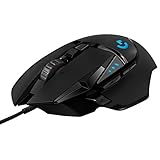


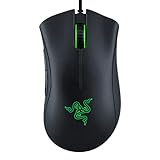


In a hurry? See the top-rated Optical Gaming Mouse deals available right now:
🛒 Check Optical Gaming Mouse Prices on Amazon →🛒 Best Price Today on Amazon
Prime members get fast, free shipping on everything above, plus member-only deals. New members get a 30-day free trial — cancel anytime.
Start 30-Day Prime Free Trial →See Today’s Amazon DealsBest Overall: Logitech G Pro X Superlight 2 — Pro Player’s Choice
The Logitech G Pro X Superlight 2 is the optical gaming mouse used by more professional esports players than any other. At just 60 grams, it combines LIGHTSPEED wireless technology with Logitech’s HERO 2 sensor at up to 32,000 DPI. Battery life exceeds 95 hours, and the PTFE feet glide effortlessly on any mousepad surface. Available in left-handed configuration. This is the definitive best optical gaming mouse for competitive players who demand maximum performance.

Best for Large Hands: Razer DeathAdder V3 — Ergonomic Sensor Precision
Razer’s DeathAdder V3 combines the brand’s iconic ergonomic right-hand shape with the Focus Pro 30K optical sensor. At 59 grams in the wired version (64g wireless), it maintains a lightweight profile despite its full-size form factor. The sensor delivers 500 IPS tracking speed and zero spin-out at any practical gaming speed. Ideal for palm and claw grip players with medium to large hands. The DeathAdder V3 Pro wireless version adds LIGHTSPEED-competing HyperSpeed wireless at a premium.
Best Budget: SteelSeries Rival 3 — Entry-Level Excellence
The SteelSeries Rival 3 packs a TrueMove Core optical sensor into an affordable package. While the TrueMove Core runs at a lower 8,500 DPI ceiling than flagship sensors, it tracks flawlessly at all practical gaming sensitivities. The symmetric design accommodates both left and right-handed players, and the 6 programmable buttons cover all gaming needs. Best optical gaming mouse under $30 for budget-conscious gamers.

Best Lightweight: Glorious Model O 2 — Ultralight Honeycomb Design
The Glorious Model O 2 refines the original’s lightweight honeycomb design with a solid top shell that eliminates debris entry while maintaining a sub-65g weight. The BAMF 2.0 sensor delivers 26,000 DPI with zero smoothing or acceleration. At an affordable price for the performance delivered, it’s the best lightweight optical gaming mouse for players who prioritize low weight above all else. PTFE feet and a braided cable complete the premium package.
Optical Sensor Deep-Dive: What Numbers Actually Matter
DPI: More Is Not Better
Most gamers use 400–1600 DPI. High DPI settings (above 3200) reduce tracking precision due to sensor interpolation. The DPI range ceiling matters less than tracking consistency. Any modern flagship sensor is more than adequate at typical gaming DPI settings.

IPS and Acceleration: The Real Performance Metrics
IPS (inches per second) tracking speed and maximum acceleration ratings define how fast you can move the mouse before tracking breaks down. Flagship sensors (HERO 25K, Focus Pro 30K, TrueMove Pro) all exceed practical gaming requirements. Budget sensors may spin out at very fast flick movements.
Frequently Asked Questions
Is optical mouse better than laser for gaming?
Yes — optical sensors are universally preferred for gaming. Laser sensors over-sample surface data and introduce inconsistency on glass or smooth surfaces. Optical sensors track cleanly on cloth and hard pads. All top gaming mice use optical sensors.
What DPI should I use for gaming?
Most FPS professionals use 400–800 DPI with high in-game sensitivity. MOBA and strategy players often use 1200–1600 DPI. Start at 800 DPI and adjust until cursor speed feels natural for your mousepad size and play style.
Does mouse weight matter for gaming?
Lighter mice (under 70g) reduce fatigue during long sessions and allow faster flick movements. However, some players prefer heavier mice for stability during precise aiming. Try both and see which suits your play style.
Related Articles
Looking for more on this topic? Browse the hand-picked guides below — each one applies the same scoring rubric used in this review.