

- Top Pick: GIGABYTE B550 Gaming X V2 AMD AM4 ATX Motherboard, Supports Ryzen 5000/4000/3000 Series Processors, DDR4, 10+3 Power Phase, 2X M.2, PCIe 4.0, Front USB-C, GbE LAN, Q-Flash Plus, RGB Fusion
- Best Value: GIGABYTE B550M K AMD AM4 Micro-ATX Motherboard, Supports Ryzen 5000/4000/3000 Series Processors, DDR4, 3+3 Power Phase, 2X M.2, PCIe 4.0, USB 3.2 Gen 1, GbE LAN, Q-Flash
- Premium Choice: ASUS TUF Gaming X870-PLUS WiFi AMD AM5 X870 ATX Motherboard, 16+2+1, 80A SPS Power Stages, DDR5, PCIe 5.0 Ready, Four M.2 Slots, Wi-Fi 7, 2.5Gb LAN, HDMI, USB4® 40Gbps, SATA 6 Gbps, USB 20Gbps Type-C
🛒 Best Price Today on Amazon
Prime members get fast, free shipping on everything above, plus member-only deals. New members get a 30-day free trial — cancel anytime.
- Top Motherboards Heavy Duty Picks for 2026
- Best Heavy Duty Motherboards at a Glance
- 1. GIGABYTE Z790 AORUS Elite AX LGA 1700 ATX Motherboard
- 2. MSI MAG B550 Tomahawk Gaming Motherboard (AM4, DDR4)
- 3. GIGABYTE B650 AORUS Elite AX AMD AM5 ATX Motherboard
- 4. GIGABYTE B650 Eagle AX AM5 ATX Motherboard, Triple M.2
- 5. MSI B550-A PRO ProSeries Motherboard (AM4, DDR4)
- 6. MSI PRO B550M-VC WiFi ProSeries Motherboard (AM4, DDR4)
- How to Choose a Heavy Duty Motherboard
- Related Guides
- Frequently Asked Questions
- Related Guides
- Related Articles
- Related Guides
Top Motherboards Heavy Duty Picks for 2026
Here are our current top motherboards heavy duty picks, compared on real Amazon owner reviews, price, and features. Live prices update below.
As an Amazon Associate we earn from qualifying purchases at no extra cost to you.


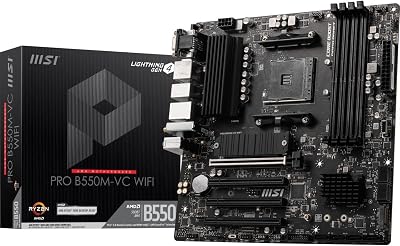


‘Heavy duty’ for a motherboard does not mean flashy looks — it means the power delivery and cooling that let a high-core CPU run hard for hours without throttling. When you load every core for rendering, compiling, simulation or long gaming-and-streaming sessions, the board’s VRM (the voltage regulator feeding the CPU) and its heatsinks are what keep voltages stable and temperatures in check. A weak board will sag or throttle under that sustained load; a robust one holds steady. This guide rounds up the best motherboards for heavy duty use in 2026, chosen for power delivery, thermals and durability first.
We picked across both current AM5 / LGA 1700 platforms and the still-popular AM4 ecosystem, judging boards on VRM strength, heatsink quality, durable componentry, connectivity for storage and networking, and value. Prices run from around $80 up to around $190, and we are honest that a budget board, however good, cannot match a higher-tier VRM under a flagship chip. We lead with the boards best suited to sustained, all-core loads and note where a pick is better matched to a mid-range CPU than a top-end one. Start with the at-a-glance table, then read each board’s heavy-duty verdict and our buyer’s guide to VRM phases, cooling and durability.
Best Heavy Duty Motherboards at a Glance
| Motherboard | Best For | Heavy-Duty Strength | Approx Price |
|---|---|---|---|
| GIGABYTE Z790 AORUS Elite AX | Heavy-duty Intel builds | Robust VRM + large heatsinks (Z790) | around $190 |
| MSI MAG B550 Tomahawk | Sustained AM4 all-core | Strong VRM + heatsinks, durable | around $160 |
| GIGABYTE B650 AORUS Elite AX | High-core AM5 (Ryzen 9000) | Solid VRM + thermal armor (AM5) | around $150 |
| GIGABYTE B650 Eagle AX | Value AM5 durability | Decent VRM, triple M.2 (AM5) | around $140 |
| MSI B550-A PRO | Reliable AM4 workhorse | Dependable VRM, no-frills build | around $115 |
| MSI PRO B550M-VC WiFi | Compact mATX, mid-range CPU | Lighter VRM — pair with mid chip | around $80 |
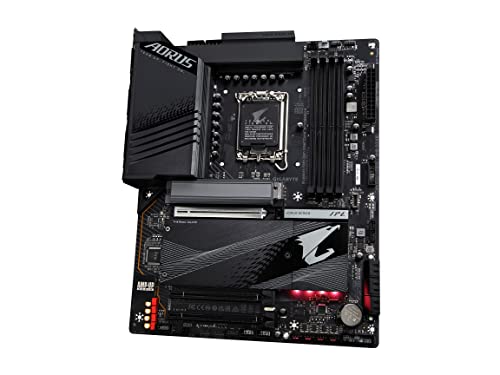
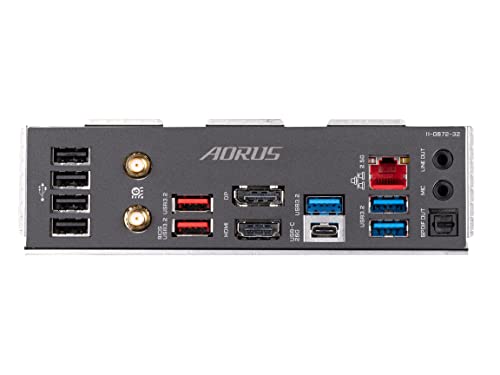
1. GIGABYTE Z790 AORUS Elite AX LGA 1700 ATX Motherboard

14
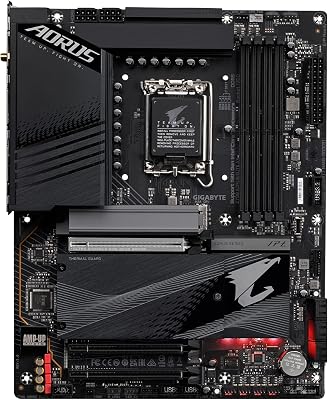
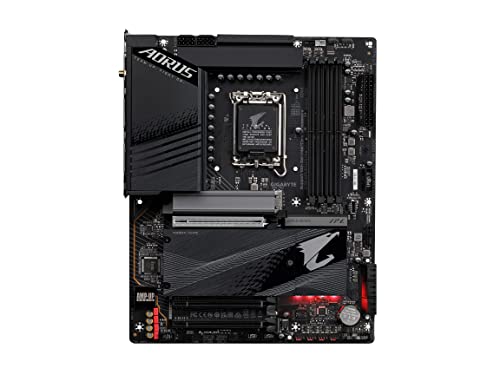
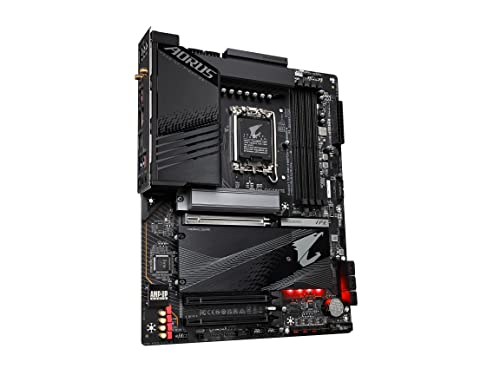
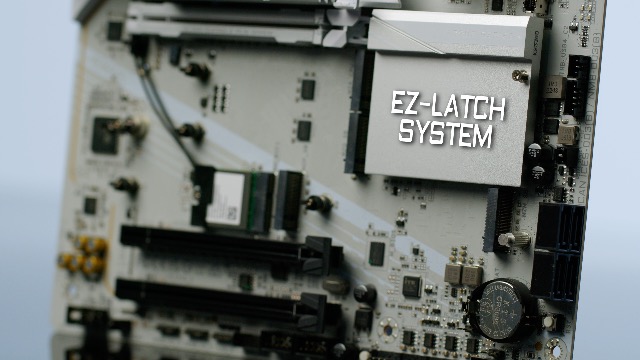
GIGABYTE Z790 AORUS Elite AX LGA 1700 ATX Motherboard, Support Intel Core 14th/13th/12th Gen, DDR5, 16+1+2 Power Phase, 4X M.2, PCIe 5.0, USB-C 3.2, WIFI6E, 2.5GbE, Q-Flash, EZ-Latch, RGB Fusion
In Stock
View on Amazon.com


As an Amazon Associate we earn from qualifying purchases. Product prices and availability are accurate as of the date/time indicated.
The GIGABYTE Z790 AORUS Elite AX is the heavy-duty pick for an Intel build. Z790 is Intel’s high-end chipset, and the AORUS Elite tier backs it with a robust multi-phase VRM and large heatsinks designed to feed and cool power-hungry 14th- and 13th-gen Core processors under sustained all-core load. Add DDR5 support, multiple M.2 slots and Wi-Fi, and at around $190 it is the most capable platform here for a high-core Intel workstation or gaming-and-creation rig.
This is the board to choose when you are pairing a high-core Intel chip with heavy, prolonged workloads — rendering, compiling, batch exports or marathon stream sessions — and need the power stage to stay cool and stable. The strong VRM and substantial heatsinks resist the voltage sag and thermal throttling that punish weaker boards under continuous load, while the modern DDR5 and M.2 connectivity keep the rest of the system fast. For genuinely heavy-duty Intel use, this AORUS Elite is the standout on the list.
Pros: High-end Z790 chipset, robust multi-phase VRM, large heatsinks, DDR5 and multi-M.2.
Cons: Most expensive here; Intel LGA 1700 only, so no AMD upgrade path.
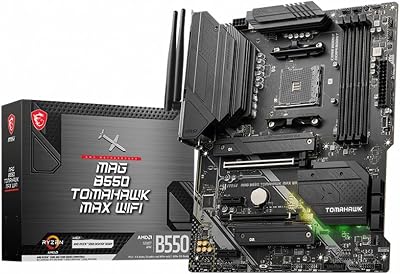
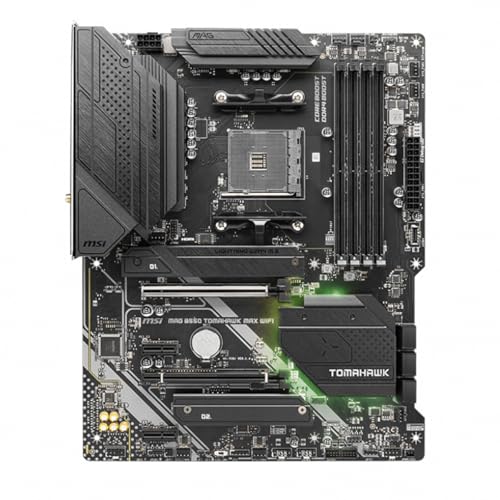
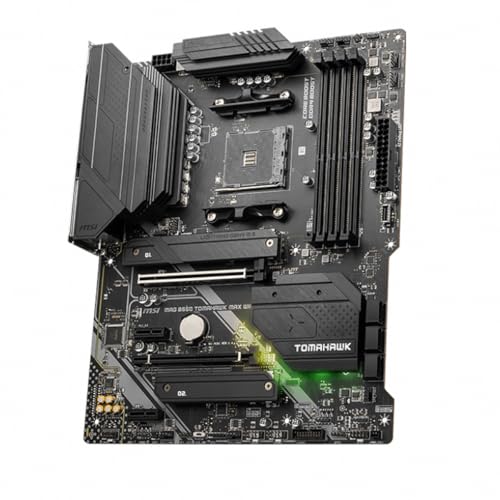
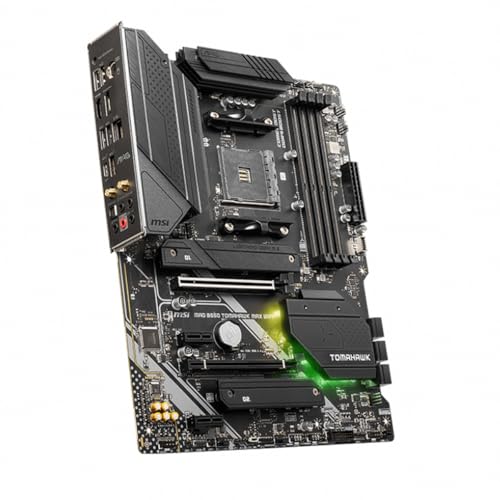
2. MSI MAG B550 Tomahawk Gaming Motherboard (AM4, DDR4)
27
Prime
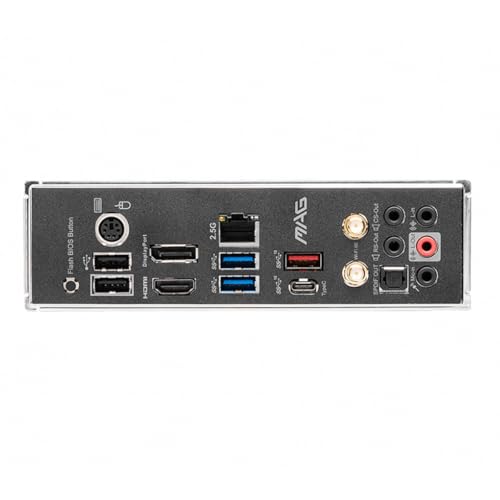
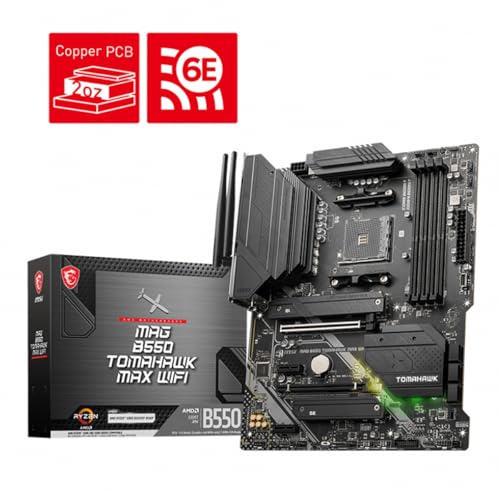
MSI MAG B550 Tomahawk MAX WiFi Gaming Motherboard (AMD Ryzen 5000 Series, AM4, DDR4, PCIe 4.0, SATA 6Gb/s, M.2, USB 3.2 Gen 2, HDMI/DP, Wi-Fi 6E, Bluetooth 5.2, 2.5Gbps LAN, ATX)
In Stock


As an Amazon Associate we earn from qualifying purchases. Product prices and availability are accurate as of the date/time indicated.
The MSI MAG B550 Tomahawk earned its reputation as one of the most over-built B550 boards, which is exactly why it belongs on a heavy-duty list. Despite being a mainstream-chipset AM4 board, it carries a notably strong VRM with proper heatsinks — power delivery that comfortably handles high-core Ryzen 5000 chips under sustained all-core load. With 2.5G LAN, dual M.2 and a durable build, at around $160 it is a benchmark for value-driven robustness.
This is the board for a serious AM4 workstation or gaming-and-streaming rig built around a Ryzen 5000 processor. The Tomahawk’s well-cooled VRM is the reason it became a community favourite for chips like the Ryzen 7 and Ryzen 9 parts — it holds voltages steady through long, heavy loads where flimsier boards throttle. The connectivity is generous and the construction is solid. If you are on AM4 and want a board that takes sustained all-core punishment in its stride, the Tomahawk is the heavy-duty classic to beat.
Pros: Strong, well-cooled VRM for the class, 2.5G LAN, dual M.2, renowned durability.
Cons: AM4 / DDR4 platform is mature; not an upgrade path to newer Ryzen sockets.
3. GIGABYTE B650 AORUS Elite AX AMD AM5 ATX Motherboard
15
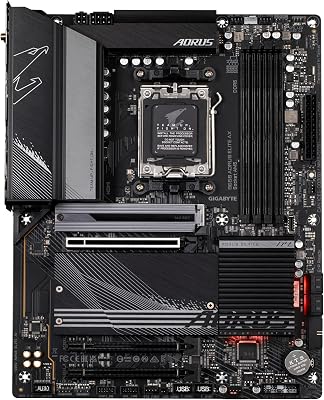
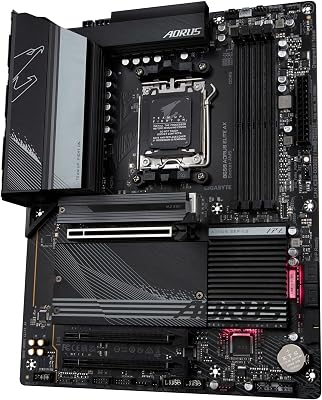
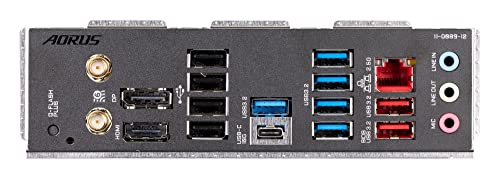
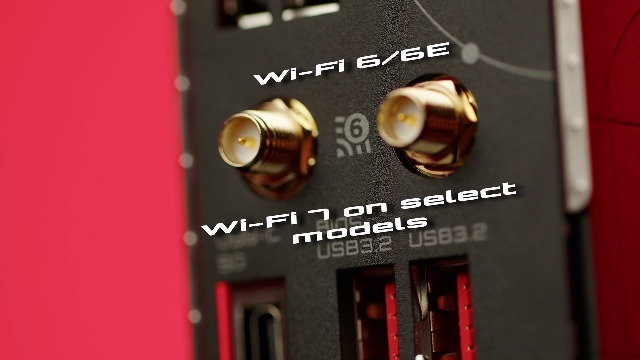
GIGABYTE B650 AORUS Elite AX AMD AM5 ATX Motherboard, Support Ryzen 9000/8000/7000 Series, DDR5, 14+2+1 Power Phase, PCIe 5.0 M.2, USB-C 3.2 Gen 2, WIFI6E, 2.5GbE, EZ-Latch, Q-Flash, RGB Fusion
In Stock



As an Amazon Associate we earn from qualifying purchases. Product prices and availability are accurate as of the date/time indicated.
The GIGABYTE B650 AORUS Elite AX is the heavy-duty pick on the current AM5 platform. It supports the latest Ryzen 9000, 8000 and 7000 processors on DDR5, and backs them with a solid multi-phase VRM and substantial thermal armour (heatsinks across the power stage and M.2 slots). At around $150 it gives a high-core modern Ryzen chip the stable, well-cooled power delivery it needs for sustained workloads, with a future-friendly socket.
This is the board for someone building a heavy-duty rig on AM5 and wanting current-gen support plus an upgrade path. The capable VRM and thermal armour keep a high-core Ryzen 9000 part fed and cool through rendering, compiling and long all-core sessions, the DDR5 support keeps memory bandwidth high, and AM5’s longevity means room to upgrade the CPU later. For modern, durable, heavy-duty AMD builds, this AORUS Elite AX is the well-rounded choice and our lead AM5 recommendation.
Pros: Current AM5 socket, solid multi-phase VRM, full thermal armor, DDR5, upgrade path.
Cons: Higher total platform cost (DDR5 + AM5 CPU) than a mature AM4 build.
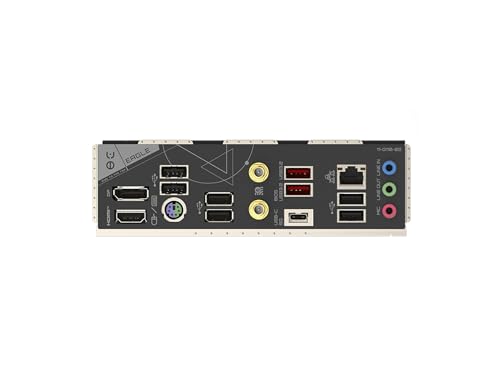
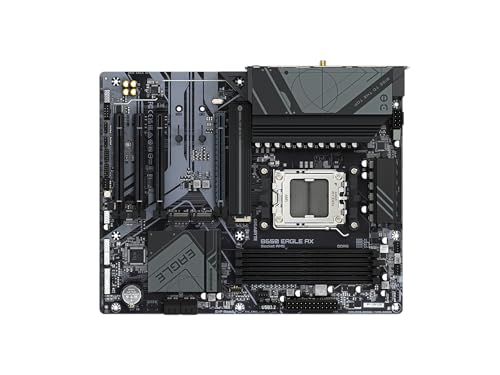
4. GIGABYTE B650 Eagle AX AM5 ATX Motherboard, Triple M.2
13
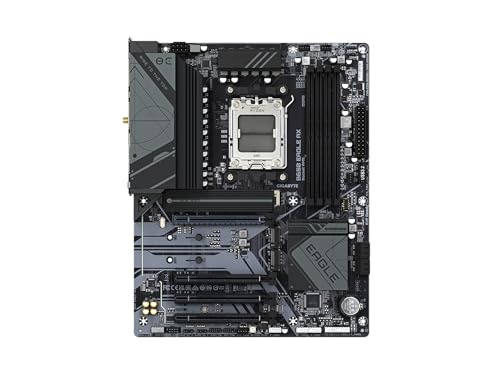
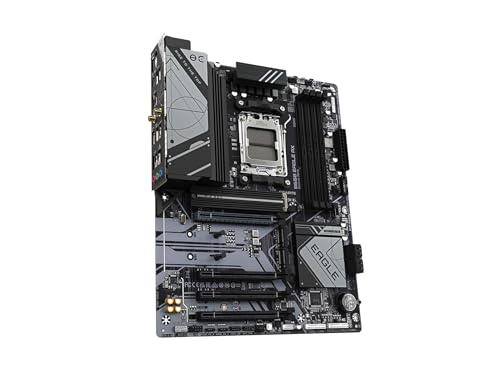
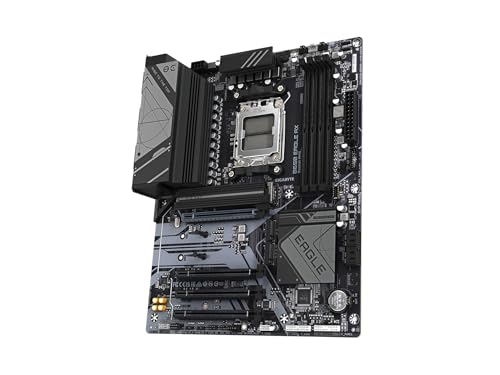
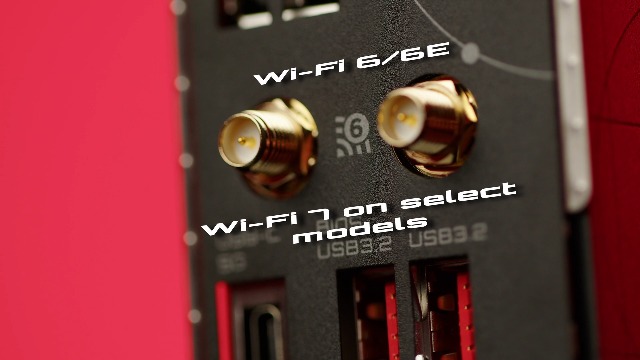
GIGABYTE B650 Eagle AX AM5 LGA 1718 AMD B650 ATX Motherboard, DDR5, Triple M.2 (1x PCIe 5.0 M.2 + 2X PCIe 4.0 M.2), USB 3.2 Gen2x2 Type-C, AMD Wi-Fi 6E, Realtek GbE LAN
In Stock


As an Amazon Associate we earn from qualifying purchases. Product prices and availability are accurate as of the date/time indicated.
The GIGABYTE B650 Eagle AX is the value durability pick on AM5. It brings the same modern Ryzen 9000/8000/7000 support and DDR5 as the AORUS Elite but at a lower price point, with a decent VRM and a standout storage feature: triple M.2 slots for plenty of fast NVMe expansion. At around $140 it is a sensible foundation for a heavy-duty AM5 build that does not need flagship-tier power delivery.
This is the board to choose for a durable AM5 system built around a mid-to-upper Ryzen chip, where storage expansion and a current platform matter and you want to keep board spend reasonable. The triple M.2 layout is genuinely useful for creators juggling large project files and scratch disks, the DDR5 support is current, and the VRM is adequate for most heavy workloads short of pushing a maxed-out flagship indefinitely. Be honest about pairing: for the very top Ryzen 9 parts under permanent all-core load, the AORUS Elite’s beefier power stage is the safer match.

Pros: Modern AM5 + DDR5, triple M.2 storage expansion, good value, decent VRM.
Cons: VRM is value-tier — pair flagship Ryzen 9 chips with a beefier board for max sustained load.
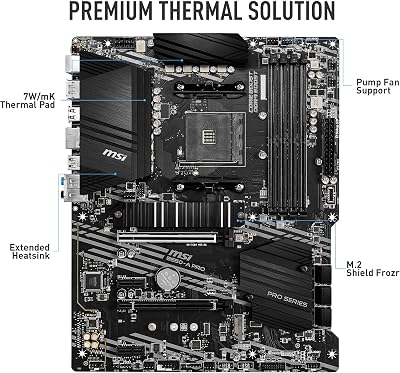
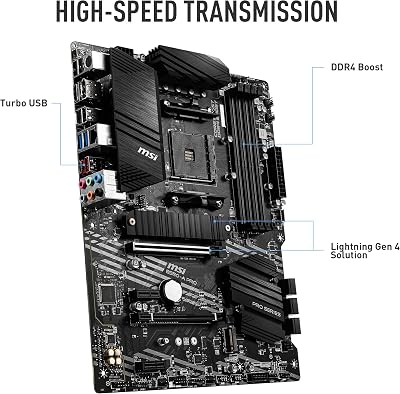
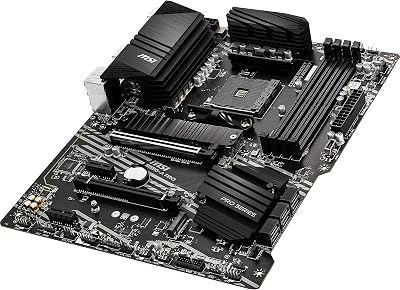
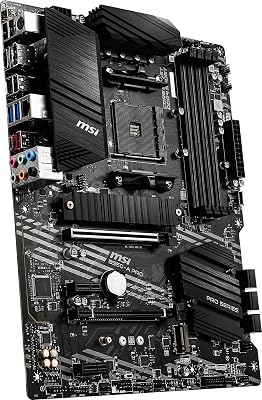
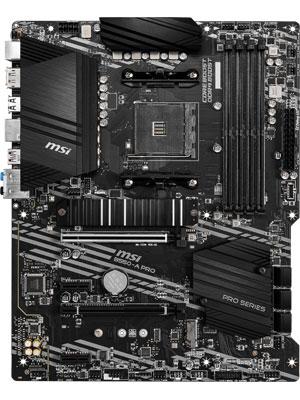
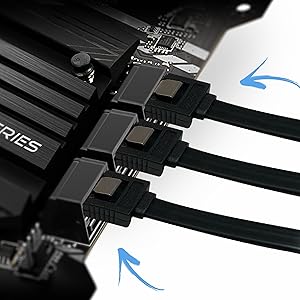
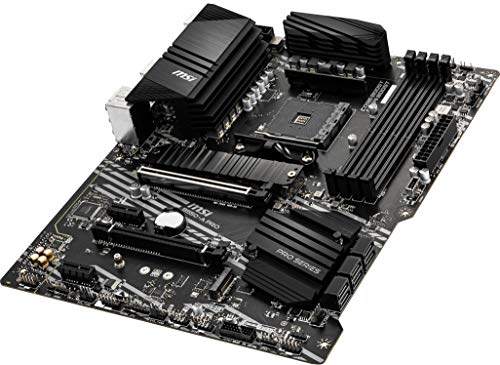
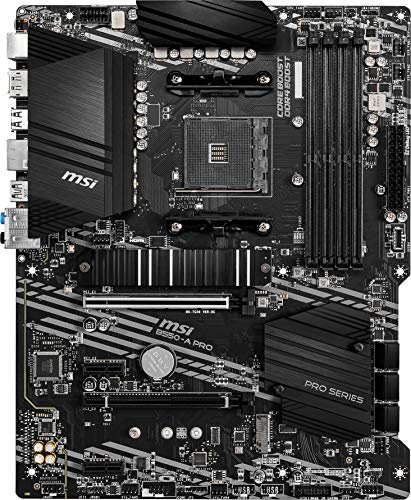
5. MSI B550-A PRO ProSeries Motherboard (AM4, DDR4)

29
MSI B550-A PRO ProSeries Motherboard (AMD Ryzen 5000, AM4, DDR4, PCIe 4.0, SATA 6Gb/s, M.2, USB 3.2 Gen 2, HDMI/DP, ATX)
In Stock
View on Amazon.com











As an Amazon Associate we earn from qualifying purchases. Product prices and availability are accurate as of the date/time indicated.
The MSI B550-A PRO is the reliable AM4 workhorse of this list. A no-frills ProSeries board, it focuses on dependable operation: a solid VRM for the price, PCIe 4.0 support, and the durable componentry MSI’s PRO line is known for, in a full-ATX layout. At around $115 it is a sensible, businesslike foundation for a heavy-duty AM4 system that values stability over features.
This is the board for an AM4 build around a mainstream-to-upper Ryzen 5000 chip where you want proven reliability without paying for the Tomahawk’s extra headroom. The power delivery handles typical heavy workloads steadily, the full-size ATX layout gives room and expansion, and the plain ProSeries design prioritises function. For a dependable, value-oriented heavy-duty AM4 workhorse — rather than an enthusiast overclocking platform — the B550-A PRO does the job without fuss.
Pros: Dependable VRM for the price, PCIe 4.0, durable ProSeries build, full ATX layout.
Cons: Less VRM headroom than the Tomahawk; AM4/DDR4 platform is mature.
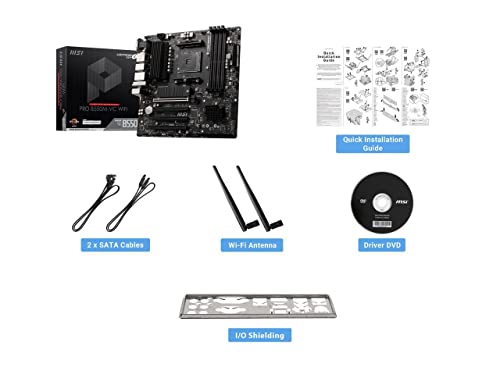
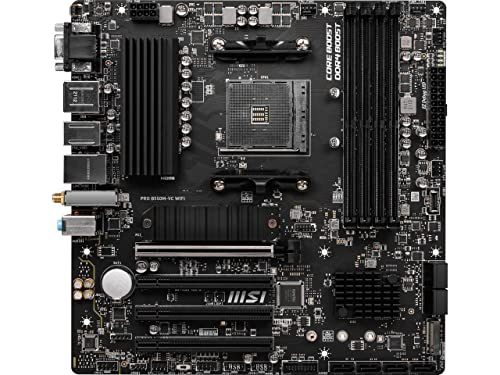
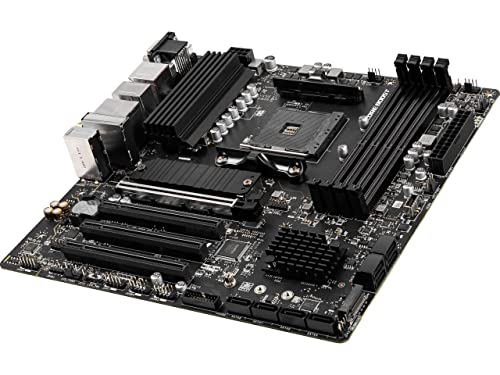
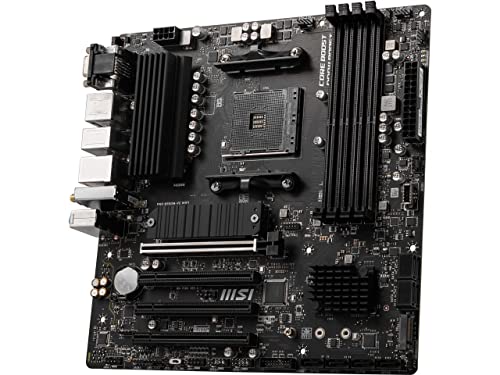
6. MSI PRO B550M-VC WiFi ProSeries Motherboard (AM4, DDR4)
23
MSI PRO B550M-VC WiFi ProSeries Motherboard (AMD Ryzen 5000 Series, AM4, DDR4, PCIe 4.0, SATA 6Gb/s, M.2, USB 3.2 Gen 2, HDMI/DP, Wi-Fi 6E, Bluetooth 5.2, mATX)
In Stock


As an Amazon Associate we earn from qualifying purchases. Product prices and availability are accurate as of the date/time indicated.
The MSI PRO B550M-VC WiFi is the compact micro-ATX pick, and here honesty matters most. It is a tidy, affordable mATX board with PCIe 4.0, WiFi and MSI’s durable PRO componentry — genuinely useful for a small, dependable system — but its VRM is the lightest on this list. At around $80 it is the budget option, and it is best matched to a mid-range CPU rather than a power-hungry high-core flagship.
This is the board to choose for a compact, reliable AM4 build with a mid-tier Ryzen chip, where size, WiFi and price drive the decision. For everyday heavy tasks on a sensible processor it is perfectly capable, and the mATX form factor and built-in WiFi suit small cases and clean setups. But to be straight for a heavy-duty roundup: if you intend to run a top-end, many-core CPU at full all-core load for hours, step up to the Tomahawk or an AORUS Elite — the lighter VRM here is not the right home for a flagship chip pushed to its limit.
Pros: Compact mATX, PCIe 4.0, built-in WiFi, durable PRO build, lowest price here.
Cons: Lightest VRM on the list — pair with a mid-range CPU, not a flagship under heavy load.
How to Choose a Heavy Duty Motherboard
For heavy-duty use, start with the VRM — the voltage regulator module that feeds the CPU. A stronger, multi-phase VRM delivers cleaner, steadier power under sustained all-core load, which is exactly what keeps a high-core processor from sagging or throttling during rendering, compiling or long stream sessions. Higher-tier boards like the Z790 AORUS Elite and the renowned B550 Tomahawk are on this list specifically because their power delivery is robust for their class. Treat VRM quality, not looks, as the headline spec.
Cooling for that power stage is the inseparable second factor. A strong VRM still needs real heatsinks to shed heat during continuous load, so look for boards with substantial metal across the power stage — the ‘thermal armour’ on the AORUS boards and the Tomahawk’s proper heatsinks are good examples. Without adequate cooling, even a capable VRM will run hot and force the CPU to back off. For heavy duty, a board that stays cool under hours of load is doing the most important part of its job.
Match the board’s tier to the CPU and platform honestly. A high-core flagship demands a board built to feed it — pairing a top Ryzen 9 or Core i9 with the lightest-VRM board on a list is a mismatch that costs you sustained performance. The compact B550M-VC here is excellent with a mid-range chip but is not the home for a maxed-out flagship under permanent load. Choose your platform too: AM5 and Z790 are current with DDR5 and upgrade headroom, while AM4 is mature, proven and cheaper to build on.
Finally, weigh durability and connectivity. Durable componentry, solid PCB and quality capacitors help a board survive years of heavy use, while the connectivity you need — multiple M.2 slots for fast storage (the B650 Eagle’s triple M.2 is a highlight), 2.5G LAN, WiFi and enough USB — keeps a workstation productive. Decide your socket, size and CPU tier, prioritise a strong cooled VRM for the loads you actually run, and pick the board on this list that matches. Buy the power delivery your workload needs, not the prettiest heatsink shroud.
Frequently Asked Questions
What makes a motherboard good for heavy duty use?
Power delivery and cooling, above all. A strong multi-phase VRM with proper heatsinks feeds a high-core CPU cleanly and stays cool through sustained all-core loads like rendering or compiling, preventing the voltage sag and throttling that punish weaker boards. Durable componentry and good connectivity matter too, but for heavy duty the VRM and its cooling — strong on boards like the Z790 AORUS Elite and B550 Tomahawk here — are the headline.
Does the VRM really matter if I am not overclocking?
Yes. Even at stock speeds, a high-core CPU under a long all-core workload draws heavy, sustained current, and a weak or poorly-cooled VRM can throttle to protect itself, costing you performance. Overclocking raises the demand further, but a robust power stage benefits anyone running prolonged heavy tasks. It is why we rank boards here by VRM strength rather than by looks.
Can a budget board handle a high-core CPU under full load?
Within limits. A value board like the compact B550M-VC on this list is great with a mid-range chip, but its lighter VRM is not ideal for a top-end, many-core flagship pushed to full all-core load for hours. For that, step up to a stronger board such as the Tomahawk or an AORUS Elite. Match the board’s power-delivery tier to how hard you will actually drive the CPU.
Should I choose AM4, AM5 or Intel LGA 1700 for a heavy-duty build?
It depends on budget and upgrade plans. AM5 (the B650 boards here) and Intel Z790 are current platforms with DDR5 and more upgrade headroom, ideal if you want longevity. AM4 (the B550 boards) is mature, proven and cheaper to build on, and a strong AM4 board like the Tomahawk still handles heavy Ryzen 5000 loads superbly. Pick the platform that fits your CPU choice and how long you plan to keep upgrading it.
Related Guides
- Best Motherboards
- Best CPUs for Graphic Design
- Best RAM for Gaming
- Best Power Supplies
- Best CPU Coolers
- Best NVMe SSDs
Affiliate Disclosure: As an Amazon Associate, we earn from qualifying purchases. If you click a link and make a purchase, we may earn a small commission at no extra cost to you. Prices and availability are accurate as of publication and may change.










