

- Top Pick: ASUS TUF Gaming GeForce RTX 5070 12GB GDDR7 OC EditionGaming Graphics Card
- Best Value: ASUS Prime GeForce RTX 5070 12GB GDDR7 White OC Edition Gaming Graphics Card
- Premium Choice: ZOTAC Gaming GeForce RTX 5070 AMP White Edition DLSS 4 12GB GDDR7 192-bit 28 Gbps PCIE 5.0 Gaming Graphics Card, IceStorm 2.0 Cooling, Spectra RGB Lighting, ZT-B50700FQ-10A
🛒 Best Price Today on Amazon
Prime members get fast, free shipping on everything above, plus member-only deals. New members get a 30-day free trial — cancel anytime.
- Top Gpus Dlss Picks for 2026
- Best GPUs with DLSS at a Glance
- 1. ASUS Prime GeForce RTX 5080 OC Edition, 16GB GDDR7
- 2. MSI GeForce RTX 5070 Ti 16G Gaming Trio OC Plus, 16GB GDDR7
- 3. PNY GeForce RTX 5070 Epic-X ARGB OC Triple Fan, 12GB GDDR7
- 4. ASUS Prime GeForce RTX 5070, PCIe 5.0, 12GB (SFF-Ready)
- 5. GIGABYTE Radeon RX 9060 XT Gaming OC ICE, 16GB GDDR6
- 6. maxsun AMD Radeon RX 550 4GB GDDR5 ITX Graphics Card
- How to Choose a GPU with DLSS
- Frequently Asked Questions
- Related Guides
- Related Articles
Top Gpus Dlss Picks for 2026
Here are our current top gpus dlss picks, compared on real Amazon owner reviews, price, and features. Live prices update below.
As an Amazon Associate we earn from qualifying purchases at no extra cost to you.


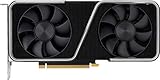


DLSS — Deep Learning Super Sampling — is NVIDIA’s AI upscaling technology, and it is exclusive to NVIDIA GeForce RTX graphics cards. It renders a game at a lower internal resolution and reconstructs a sharp, higher-resolution image, boosting performance while preserving detail, with newer RTX cards also adding AI frame generation. If DLSS is your priority, you specifically need an RTX card — so this guide leads with the GeForce RTX picks that actually support it. We have also included two AMD Radeon cards from the source list and we are upfront: they do not support DLSS at all.
Our picks were ordered by what matters for this intent: DLSS support first, then tier and VRAM. The RTX 5070, RTX 5070 (SFF), RTX 5070 Ti and RTX 5080 are the genuine DLSS cards here and lead the list. The maxsun Radeon RX 550 and the GIGABYTE Radeon RX 9060 XT are capable AMD cards, but DLSS is an NVIDIA feature they cannot use — they rely on AMD’s own FSR upscaling instead — so we have placed them last and flagged this clearly rather than misrepresent them. Prices run from around $110 to around $1,500. Below is an at-a-glance comparison, then a closer look at each and a buyer’s guide built around DLSS, VRAM and tiers.
Best GPUs with DLSS at a Glance
| Graphics Card | Best For | Standout Spec | Approx Price |
|---|---|---|---|
| ASUS Prime GeForce RTX 5080 OC | Top-tier DLSS gaming | 16GB GDDR7, full DLSS suite | around $1,500 |
| MSI GeForce RTX 5070 Ti Gaming Trio OC | High-end DLSS value | 16GB GDDR7, DLSS + frame gen | around $1,250 |
| PNY GeForce RTX 5070 Epic-X ARGB OC | Mainstream DLSS sweet spot | 12GB GDDR7, full DLSS support | around $633 |
| ASUS Prime GeForce RTX 5070 (SFF) | Compact DLSS builds | 12GB, PCIe 5.0, SFF-ready | around $642 |
| GIGABYTE Radeon RX 9060 XT Gaming OC | AMD alt (no DLSS, uses FSR) | 16GB GDDR6 — Radeon, not RTX | around $470 |
| maxsun Radeon RX 550 4GB ITX | Budget display card (no DLSS) | 4GB GDDR5 — Radeon, not RTX | around $110 |
1. ASUS Prime GeForce RTX 5080 OC Edition, 16GB GDDR7

The ASUS Prime GeForce RTX 5080 OC leads this DLSS list as the top-tier pick. As a current-generation GeForce RTX card it supports NVIDIA’s full DLSS suite, including the latest AI upscaling and frame-generation features, and backs it with 16GB of fast GDDR7 memory and a triple-fan OC design. At around $1,500 it is the premium option here for those who want the most capable DLSS-enabled card on the list.
This is the card for the high-resolution or high-refresh gamer who wants DLSS working at its best alongside maximum raw power. The full DLSS feature set lets you trade internal resolution for a sharp reconstructed image and higher performance, the generous 16GB GDDR7 framebuffer suits demanding titles and high-detail textures, and the ASUS Prime cooler keeps the OC running cool and quiet. If DLSS at the top tier is the goal and budget allows, the RTX 5080 is the flagship pick.
Pros: Full NVIDIA DLSS suite including frame generation, 16GB GDDR7, strong triple-fan OC cooling.
Cons: Highest price here; demands a strong PSU and roomy case.
2. MSI GeForce RTX 5070 Ti 16G Gaming Trio OC Plus, 16GB GDDR7

MSI NVIDIA GeForce RTX 5070 Ti 16G Gaming Trio OC Plus Graphics Card - 16 GB GDDR7 (28 GB/s, 256-bit), PCIe 5.0 - TRI FROZR 4 (3 x STORMFORCE Fans) - RGB - HDMI 2.1b, DisplayPort 2.1b


As an Amazon Associate we earn from qualifying purchases. Product prices and availability are accurate as of the date/time indicated.
The MSI GeForce RTX 5070 Ti Gaming Trio OC Plus is the high-end DLSS value pick. It is a GeForce RTX card with the complete DLSS toolkit — AI upscaling and frame generation — paired with 16GB of GDDR7 and MSI’s robust triple-fan Trio cooler. At around $1,250 it offers near-flagship DLSS capability and a large framebuffer for noticeably less than the RTX 5080.
This is the card for the gamer who wants serious DLSS-enabled performance and 16GB of memory without stepping all the way up to the flagship. The full DLSS support delivers higher frame rates and sharp reconstruction in supported games, the 16GB GDDR7 gives headroom for high settings and textures, and the Trio cooler handles the factory overclock with ease. For high-end DLSS gaming that balances capability and cost, the RTX 5070 Ti is a compelling standout.

Pros: Complete DLSS suite with frame generation, 16GB GDDR7, excellent Trio cooling, strong value below the flagship.
Cons: Still a premium price; large card needs case clearance.
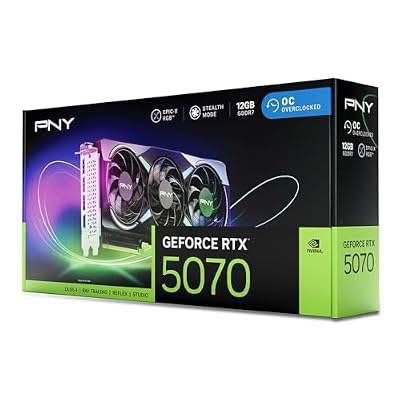
3. PNY GeForce RTX 5070 Epic-X ARGB OC Triple Fan, 12GB GDDR7

PNY NVIDIA GeForce RTX™ 5070 EPIC-X RGB® OC Triple-Fan Graphics Card | 12GB GDDR7, 192-bit, Boost: 2685 MHz, SFF-Ready, PCIe® 5.0, HDMI®/DP 2.1, 2.4-Slot, NVIDIA Blackwell Architecture, DLSS 5


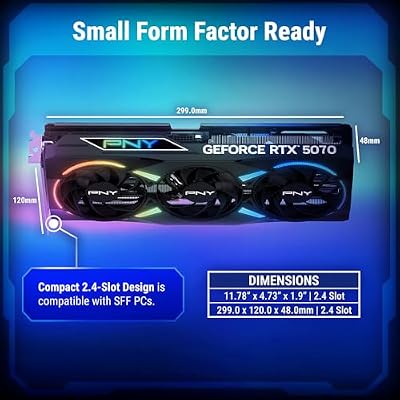


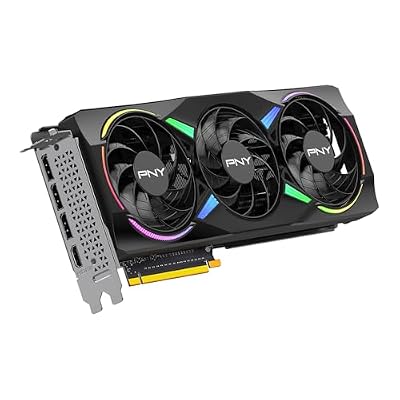


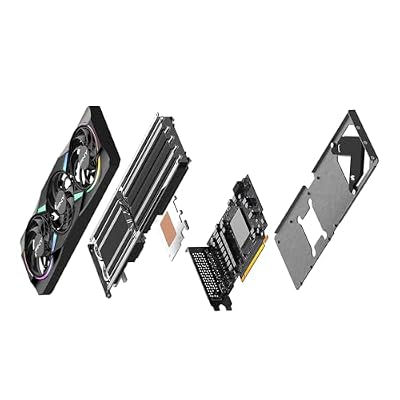
As an Amazon Associate we earn from qualifying purchases. Product prices and availability are accurate as of the date/time indicated.
The PNY GeForce RTX 5070 Epic-X ARGB OC is the mainstream DLSS sweet spot. As a GeForce RTX card it fully supports DLSS, including AI upscaling and frame generation, and pairs it with 12GB of GDDR7, a triple-fan cooler and ARGB lighting. At around $633 it brings the current DLSS feature set to a much more attainable price than the higher tiers.
This is the card for the mainstream 1440p gamer who wants modern DLSS without flagship spending. DLSS lets you push higher frame rates while keeping the image crisp, the 12GB GDDR7 framebuffer is well suited to high settings at mainstream resolutions, and the triple-fan ARGB design looks the part in a windowed build. For most gamers who specifically want DLSS at a sensible price, the RTX 5070 is the practical, well-balanced choice and a highlight of this list.
Pros: Full DLSS support with frame generation, 12GB GDDR7, triple-fan ARGB cooling, strong mainstream value.
Cons: 12GB rather than 16GB; not aimed at maxed-out 4K.
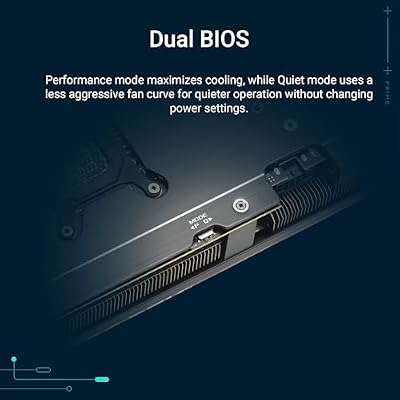
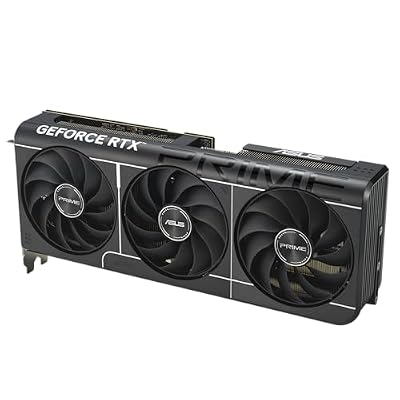
4. ASUS Prime GeForce RTX 5070, PCIe 5.0, 12GB (SFF-Ready)

ASUS SFF-Ready Prime NVIDIA GeForce RTX 5070 Graphics Card (PCIe 5.0, 12GB GDDR7, HDMI/DP 2.1, 2.5-Slot, Axial-tech Fans, Dual BIOS), 3 Year Warranty




As an Amazon Associate we earn from qualifying purchases. Product prices and availability are accurate as of the date/time indicated.
The ASUS Prime GeForce RTX 5070 is the compact-build DLSS pick. It is the same DLSS-capable GeForce RTX 5070 class — full AI upscaling and frame generation, 12GB of memory and PCIe 5.0 — packaged in an ASUS Prime design that ASUS markets as SFF-ready for small-form-factor cases. At around $642 it brings modern DLSS to space-constrained builds.
This is the card for the gamer building a compact or SFF system who still wants the current DLSS feature set. The full DLSS support delivers the same upscaling and frame-generation benefits as its larger siblings, the 12GB framebuffer suits mainstream resolutions, and the SFF-ready form factor is designed to fit where bigger triple-fan cards will not. If you want DLSS in a small build without compromising on the feature set, this Prime RTX 5070 is the targeted choice here.

Pros: Full DLSS support, 12GB and PCIe 5.0, SFF-ready design for compact builds.
Cons: 12GB memory; compact cooling can run warmer under sustained load.
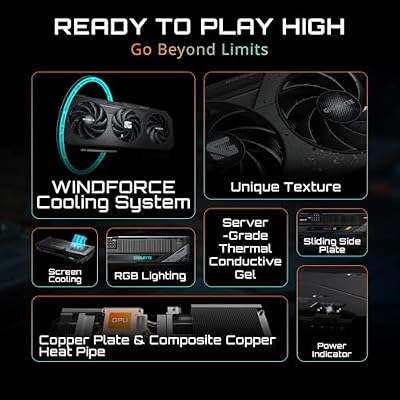
5. GIGABYTE Radeon RX 9060 XT Gaming OC ICE, 16GB GDDR6
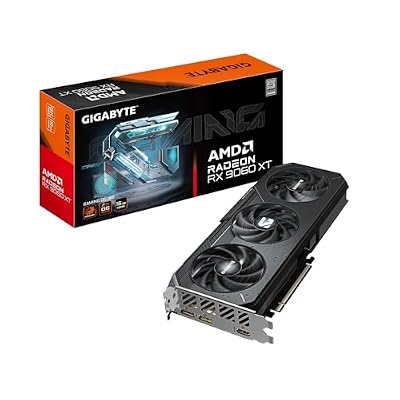
GIGABYTE Radeon RX 9060 XT Gaming OC 16G Graphics Card, PCIe 5.0, 16GB GDDR6, GV-R9060XTGAMING OC-16GD Video Card



As an Amazon Associate we earn from qualifying purchases. Product prices and availability are accurate as of the date/time indicated.
An honest flag first: the GIGABYTE Radeon RX 9060 XT is an AMD Radeon card, not a GeForce RTX card, so it does not support DLSS — DLSS is NVIDIA-exclusive. What this card offers instead is AMD’s own FSR upscaling, a generous 16GB GDDR6 framebuffer and a triple-fan Gaming OC ICE cooler, at a competitive around $470. We include it for context, but if DLSS specifically is your requirement, this is not the card.
That said, judged on its own merits the RX 9060 XT is a capable mainstream Radeon option. The 16GB of GDDR6 is plentiful for high-detail textures at mainstream resolutions, the ICE cooler keeps the factory overclock cool, and FSR provides AMD’s alternative route to upscaled performance in supported titles. If you are open to the AMD ecosystem and FSR rather than tied to DLSS, it is a strong value card — just be clear it cannot do DLSS.
Pros: Generous 16GB GDDR6, effective ICE cooling, competitive price, supports AMD FSR upscaling.
Cons: AMD Radeon card — does NOT support DLSS (NVIDIA-only); uses FSR instead.
6. maxsun AMD Radeon RX 550 4GB GDDR5 ITX Graphics Card

maxsun AMD Radeon RX 550 4GB GDDR5 ITX Computer PC Gaming Video Graphics Card GPU 128-Bit DirectX 12 PCI Express X16 3.0 DVI-D Dual Link, HDMI, DisplayPort


As an Amazon Associate we earn from qualifying purchases. Product prices and availability are accurate as of the date/time indicated.
Rounding out the list with another honest flag: the maxsun Radeon RX 550 is an AMD Radeon card, so like the RX 9060 XT it does not support DLSS at all — that feature is exclusive to NVIDIA RTX. It is also an entry-level, ITX-sized 4GB GDDR5 card, far below the gaming tier of the RTX options above. At around $110 it is the cheapest item here, but it is essentially a low-power display and light-duty card, not a DLSS gaming GPU.
Taken for what it actually is, the RX 550 has a place: a compact, affordable card to drive a display, handle a media or office build, or get a system running on a tight budget or in a small ITX case. The 4GB of GDDR5 and modest power draw suit light tasks and very casual gaming. But we will not misrepresent it — it offers no DLSS, no current-generation features, and is not intended for the demanding gaming this guide otherwise targets.

Pros: Very affordable, compact ITX size, low power draw, fine as a basic display or light-duty card.
Cons: AMD Radeon and entry-level — NO DLSS, only 4GB, not a gaming-tier GPU.
How to Choose a GPU with DLSS
The single most important thing to understand when shopping for DLSS is that it is exclusive to NVIDIA GeForce RTX cards. No AMD Radeon card supports DLSS — Radeon GPUs use AMD’s own FSR upscaling instead. So if DLSS specifically is your requirement, your shortlist must be RTX cards, like the RTX 5070, 5070 Ti and 5080 here. The two Radeon cards on this list, the RX 9060 XT and RX 550, are included for honesty and context, but they cannot do DLSS no matter the price.
Once you are looking at RTX cards, choose the tier that matches your resolution and refresh-rate goals. The RTX 5080 with 16GB GDDR7 targets top-tier, high-resolution and high-refresh gaming; the RTX 5070 Ti, also 16GB, sits just below it for high-end play at a lower price; and the RTX 5070, with 12GB, is the mainstream sweet spot for excellent 1440p-class gaming with DLSS at a far more attainable cost. Pick the tier whose raw power and price fit how you actually play.
VRAM and DLSS features deserve attention together. More memory — 16GB on the 5080 and 5070 Ti versus 12GB on the 5070 cards — gives headroom for high-detail textures and demanding titles, while the current RTX generation supports the full DLSS toolkit, including AI frame generation that can multiply performance in supported games. If you want the most future-proof framebuffer pair it with a higher tier; if mainstream resolutions are your target, 12GB with full DLSS is plenty for most players.
Finally, plan the build around the card. Higher-tier RTX cards draw more power and need a strong, quality PSU and a case with room for a large triple-fan cooler, while the SFF-ready RTX 5070 is designed for compact builds where space is tight. Confirm your power supply, case clearance and the resolution you play at, decide how much VRAM and which tier you need, and pick the RTX card on this list that delivers DLSS at your target — and skip the Radeon options if DLSS is non-negotiable.
Frequently Asked Questions
Which graphics cards actually support DLSS?
Only NVIDIA GeForce RTX cards support DLSS — it is an NVIDIA-exclusive technology. On this list, that means the RTX 5070, RTX 5070 (SFF), RTX 5070 Ti and RTX 5080. The AMD Radeon cards here, the RX 9060 XT and RX 550, do not support DLSS at all; they use AMD’s FSR upscaling instead. If DLSS is your requirement, choose one of the RTX cards.
What does DLSS actually do?
DLSS (Deep Learning Super Sampling) renders a game at a lower internal resolution and uses AI to reconstruct a sharp, higher-resolution image, raising frame rates while keeping detail. Current RTX cards also add AI frame generation, which can further increase performance in supported games. It lets an RTX card deliver higher frame rates than native rendering would at the same visual quality.
Is the AMD Radeon RX 9060 XT a bad card because it lacks DLSS?
Not at all — it simply does not have DLSS, because that is an NVIDIA feature. The RX 9060 XT is a capable mainstream Radeon card with 16GB of GDDR6 and support for AMD’s own FSR upscaling. If you are open to the AMD ecosystem and FSR, it offers strong value; it is only the wrong pick if you specifically require DLSS, which no Radeon card provides.
How much VRAM do I need for a DLSS GPU?
It depends on resolution and detail level. The RTX 5070 cards here have 12GB, which is well suited to mainstream 1440p-class gaming, while the RTX 5070 Ti and RTX 5080 offer 16GB for higher resolutions, high-detail textures and more headroom. DLSS can ease memory pressure by rendering at a lower internal resolution, but more VRAM still helps with demanding, texture-heavy titles.
Related Guides
- Best Graphics Cards
- Best GPUs for 1440p Gaming
- Best 4K Graphics Cards
- Best Power Supplies
- Best Gaming PC Builds
- Best PC Cases for Airflow
Affiliate Disclosure: As an Amazon Associate, we earn from qualifying purchases. If you click a link and make a purchase, we may earn a small commission at no extra cost to you. Prices and availability are accurate as of publication and may change.


