- Top Pick: Getting Started with NVIDIA GPUs : A Beginner’s Guide to AI Acceleration with python, C++ and Cuda
- Best Value: Modern GPUs for Beginners : A Practical Guide to Graphics Processing Units, AI Acceleration, CUDA, ROCm, Metal, Vulkan & High-Performance Compute
- Premium Choice: GPU Programming with CUDA For Beginners: A Practical Guide to CUDA Programming, GPU Kernels, Memory Management, and Parallel Computing (CUDA Programming Series)
🛒 Best Price Today on Amazon
Prime members get fast, free shipping on everything above, plus member-only deals. New members get a 30-day free trial — cancel anytime.
- Top Gpus Beginners Picks for 2026
- Best GPUs for Beginners at a Glance
- 1. MSI Gaming GeForce GTX 1660 Super 6GB GDDR6
- 2. XFX Radeon RX 580 GTS XXX Edition 8GB GDDR5
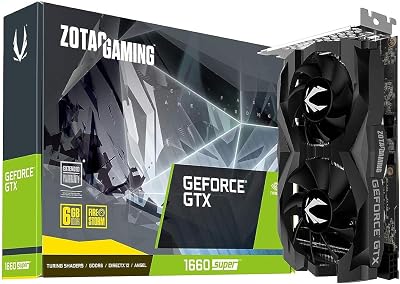
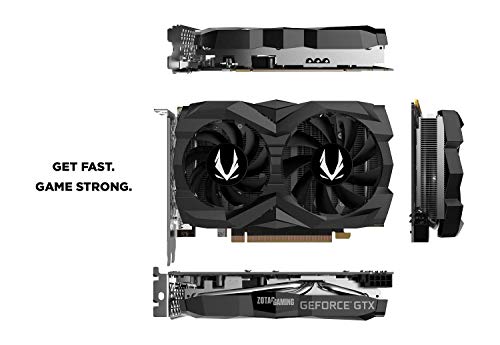
- 3. ZOTAC Gaming GeForce GTX 1660 Super 6GB GDDR6
- 4. MSI Gaming GeForce RTX 3060 12GB GDDR6
- 5. Gigabyte GeForce RTX 3060 Gaming OC 12GB GDDR6 V2
- 6. GIGABYTE GeForce GT 710 2GB DDR3 Graphics Card
- How to Choose a GPU as a Beginner
- Related Guides
- Frequently Asked Questions
- Related Guides
- Related Articles
Top Gpus Beginners Picks for 2026
Here are our current top gpus beginners picks, compared on real Amazon owner reviews, price, and features. Live prices update below.
As an Amazon Associate we earn from qualifying purchases at no extra cost to you.



If you are buying your first graphics card, the goal is simple: get smooth 1080p gaming for a sensible price, without paying for performance you will not use yet. Beginners do not need a flagship — they need a dependable, affordable card with enough VRAM, a brand and model that is easy to install and well supported, and good value so the rest of the budget can go toward the build. This guide rounds up the best GPUs for beginners in 2026 with that intent front and centre, and we lead with the most affordable, beginner-friendly picks rather than the most powerful.
Our picks were chosen on what genuinely matters for a first card: price, suitability for 1080p gaming, VRAM capacity, and ease of buying and using. We have ordered the list to put the gentle-on-the-wallet entry options first and have flagged anything that is more card than a beginner needs — or, in one case, not a gaming card at all. Prices run from around $68 up to around $399, but the spirit of the guide is value-first. Below is an at-a-glance comparison of all six, then a closer look at each and a buyer’s guide built around the choices a beginner actually faces.
Best GPUs for Beginners at a Glance
| Product | Best For | Standout Spec | Approx Price |
|---|---|---|---|
| MSI GeForce GTX 1660 Super | Best beginner starting point | 6GB GDDR6, efficient 1080p gaming | around $234 |
| XFX Radeon RX 580 GTS 8GB | Budget 1080p with extra VRAM | 8GB GDDR5, dual BIOS | around $230 |
| ZOTAC GeForce GTX 1660 Super | Compact reliable 1080p card | 6GB GDDR6, dual-fan cooling | around $320 |
| MSI GeForce RTX 3060 12GB | Beginners who want a step up | 12GB GDDR6, ray tracing, DLSS | around $399 |
| Gigabyte GeForce RTX 3060 12GB V2 | Future-minded 1080p/1440p | 12GB GDDR6, RTX features | varies |
| GIGABYTE GT 710 2GB DDR3 | Display output only (not gaming) | 2GB DDR3, basic video card | around $68 |
1. MSI Gaming GeForce GTX 1660 Super 6GB GDDR6
35
Prime
ZOTAC Gaming GeForce GTX 1660 Super 6GB GDDR6 192-bit Gaming Graphics Card, Super Compact, ZT-T16620F-10L
In Stock










As an Amazon Associate we earn from qualifying purchases. Product prices and availability are accurate as of the date/time indicated.
The MSI GeForce GTX 1660 Super is our top beginner starting point, and we lead with it because it nails the brief: solid, efficient 1080p gaming at a friendly price. It carries 6GB of fast GDDR6 memory and a sensible power draw that works happily with modest power supplies, so it slots into a first build without drama. At around $234 it is an approachable, well-supported card that delivers exactly what a new gamer needs.
For a beginner this is close to ideal. The GTX 1660 Super is comfortable running popular games at 1080p, its 6GB of VRAM covers mainstream titles, and its efficiency means you are unlikely to need an expensive PSU upgrade. MSI’s twin-fan cooler keeps it quiet and cool, and the card is straightforward to install. It skips ray tracing, but most beginners will not miss it at this price. As an affordable, no-fuss first graphics card, the 1660 Super is the easy recommendation to start with.
Pros: Affordable, efficient 1080p performance, 6GB GDDR6, modest power needs, easy first install.
Cons: No ray tracing or DLSS; built for 1080p rather than higher resolutions.
2. XFX Radeon RX 580 GTS XXX Edition 8GB GDDR5

24
Prime
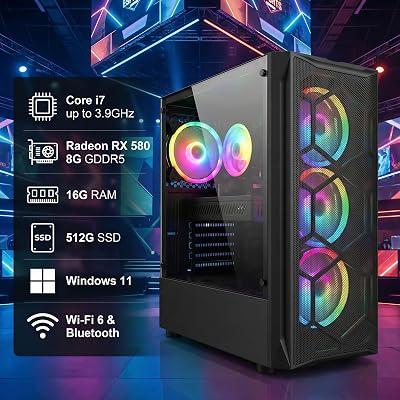
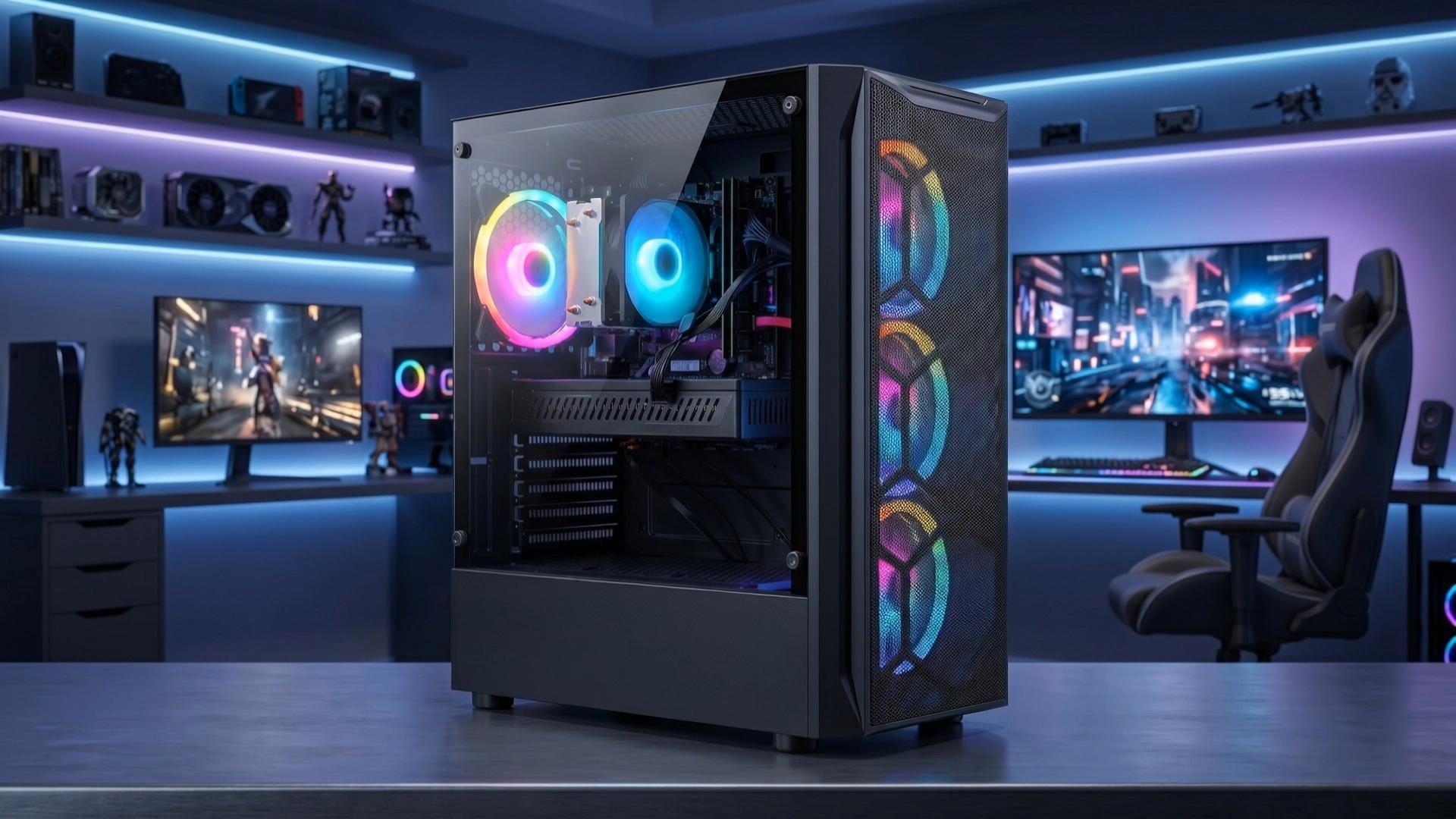
STGAubron Gaming PC Desktop,Core I7,RX 580 8G,16G RAM,512G SSD | Gaming Computer Tower for Streaming,Video Editing,Home,School,I7 up to 3.9GHz,ARGB Fan,WiFi 6,BT 5.0,4K DP,HDMI,Win11 Home
In Stock







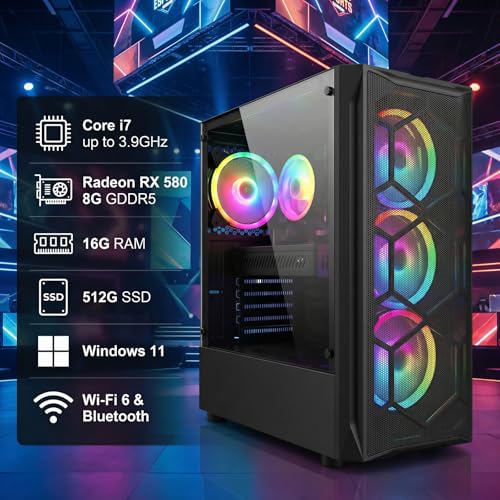
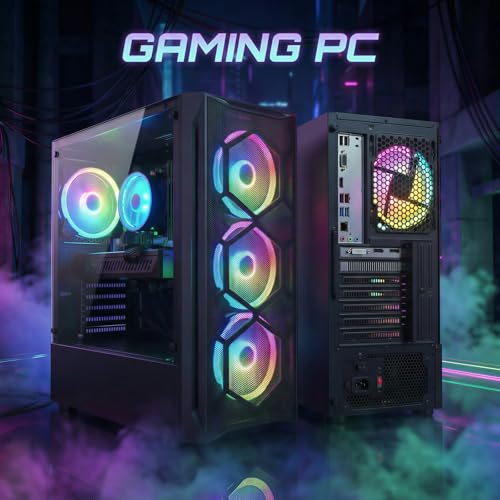
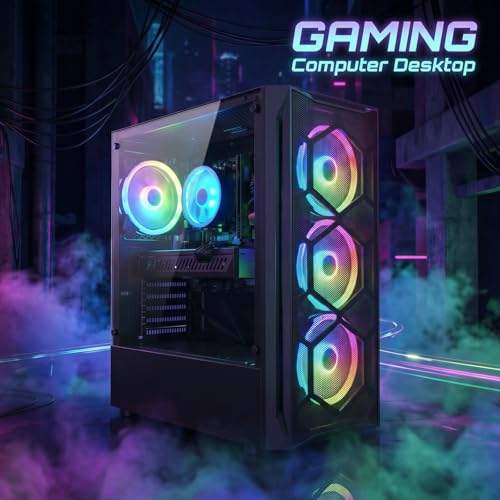
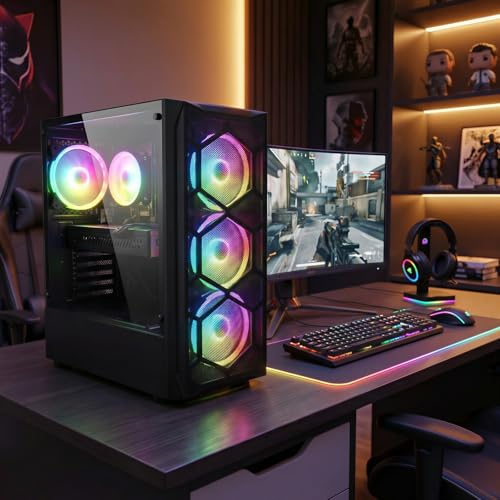
As an Amazon Associate we earn from qualifying purchases. Product prices and availability are accurate as of the date/time indicated.
The XFX Radeon RX 580 is the budget 1080p pick that gives beginners extra VRAM for the money. It pairs 8GB of GDDR5 memory with a dual-BIOS design and a proven, long-popular GPU, and at around $230 it is one of the most affordable ways to get a capable 1080p card with a generous frame buffer. For new builders watching every dollar, it is a sensible value option.
For beginners, the RX 580’s appeal is straightforward 1080p gaming with 8GB of VRAM — more than the GTX 1660 Super — which gives a little extra room in memory-hungry titles and at higher texture settings. It is an older, power-hungrier design, so make sure your power supply has the recommended connectors and headroom, and expect a bit more heat and noise than the efficient 1660 Super. As an affordable, VRAM-rich entry card for value-focused first builds, it remains a practical choice.
Pros: Affordable, generous 8GB VRAM, dual BIOS, capable 1080p gaming for the price.
Cons: Older, power-hungrier design; needs adequate PSU headroom and runs warmer.
3. ZOTAC Gaming GeForce GTX 1660 Super 6GB GDDR6
35
Prime
ZOTAC Gaming GeForce GTX 1660 Super 6GB GDDR6 192-bit Gaming Graphics Card, Super Compact, ZT-T16620F-10L
In Stock
As an Amazon Associate we earn from qualifying purchases. Product prices and availability are accurate as of the date/time indicated.
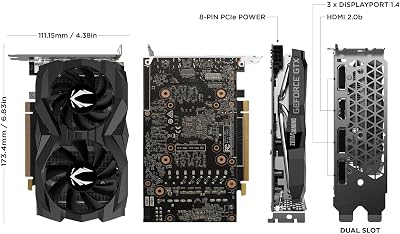
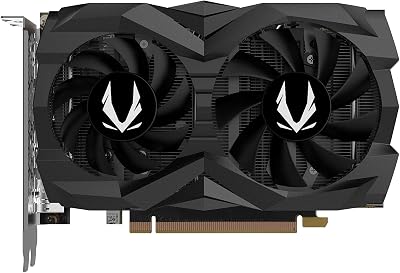
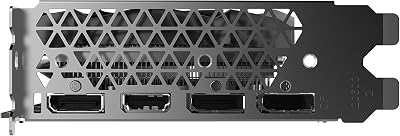
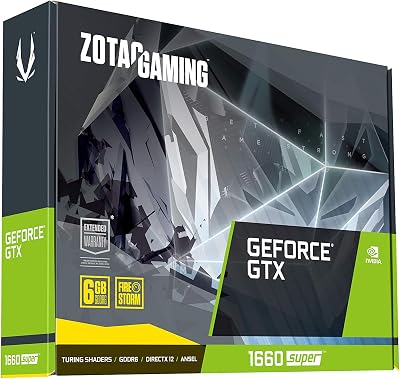
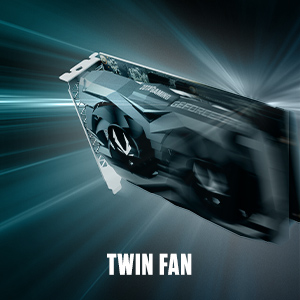
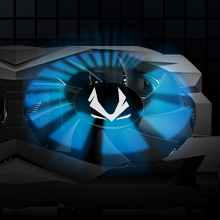
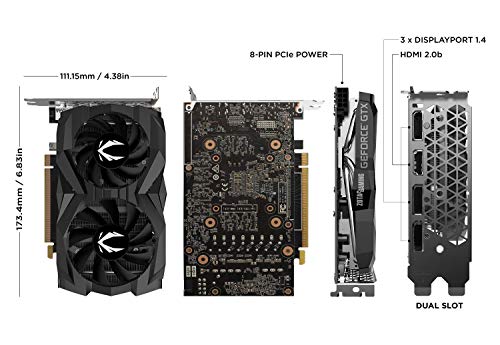
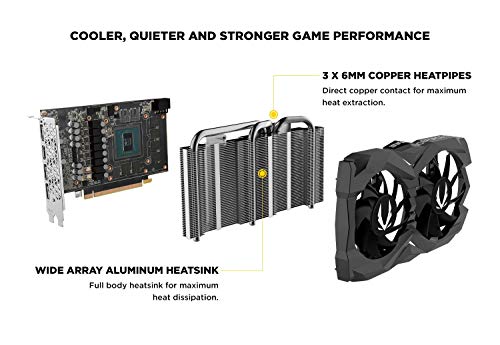
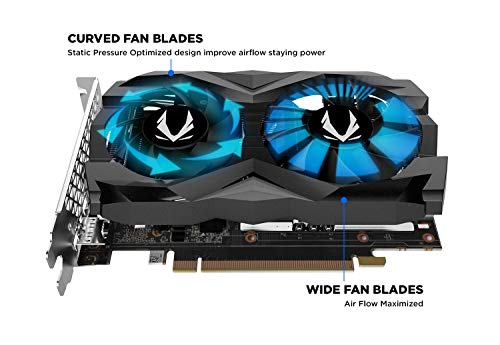
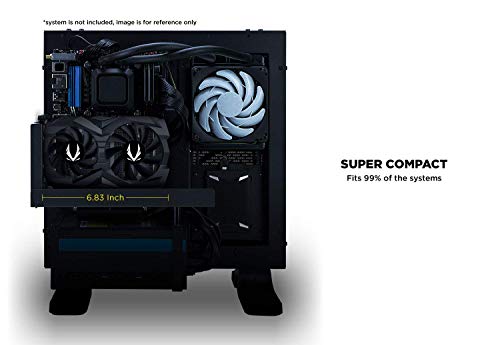
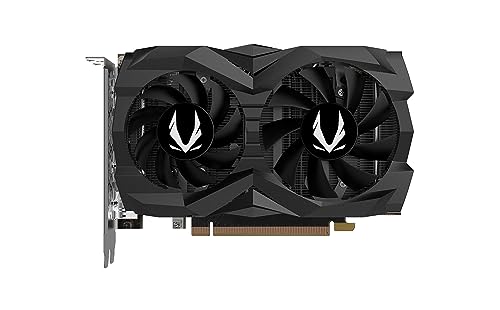
The ZOTAC GeForce GTX 1660 Super offers the same beginner-friendly GPU as our top pick in a compact, reliable dual-fan package. It has the same 6GB of GDDR6 memory and efficient design that make the 1660 Super such a good first card, in ZOTAC’s tidy, space-conscious form factor. Listed at around $320 it is priced higher than the MSI version, so it makes most sense if its compact size or availability suits your particular build.
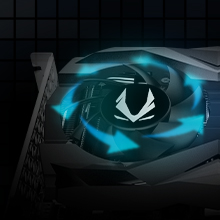
For a beginner the experience is much the same as the MSI card: comfortable 1080p gaming, 6GB of VRAM for mainstream titles, and low power demands that pair with modest supplies. ZOTAC’s shorter dual-fan design is handy for smaller cases where length is tight. Given the higher price tag here, treat it as the pick when compact dimensions or stock matter to you; otherwise the cheaper 1660 Super is the better value. Either way, the 1660 Super remains an excellent beginner GPU.
Pros: Compact dual-fan design, efficient 1080p performance, 6GB GDDR6, fits smaller cases.
Cons: Priced higher than the equivalent MSI 1660 Super; same 1080p-class performance.
4. MSI Gaming GeForce RTX 3060 12GB GDDR6

msi Katana 15 15.6” 165Hz QHD Gaming Laptop: Intel Core i7-13620H, NVIDIA Geforce RTX 4070, 16GB DDR5, 1TB NVMe SSD, Cooler Boost 5, Win 11: Black B13VGK-2000US
In Stock
As an Amazon Associate we earn from qualifying purchases. Product prices and availability are accurate as of the date/time indicated.
The MSI GeForce RTX 3060 is the pick for beginners who want a meaningful step up and some future-proofing. It brings a large 12GB of GDDR6 memory plus modern RTX features — hardware ray tracing and DLSS upscaling — that the GTX cards lack. At around $399 it is the most expensive gaming card here, so it is honestly more than a pure 1080p beginner strictly needs, but it buys longevity and headroom toward 1440p.
For a new builder the RTX 3060 is a comfortable card to grow into: 12GB of VRAM is generous for the class, ray tracing and DLSS let you try modern visual features, and it handles 1080p with ease and entry 1440p well. The trade-off is cost — if your only goal is smooth 1080p on a tight budget, the cheaper 1660 Super or RX 580 are the value-first picks. But if you can stretch the budget and want a card that stays relevant longer, the RTX 3060 is a strong, beginner-friendly upgrade.
Pros: 12GB VRAM, ray tracing and DLSS, comfortable 1080p and entry 1440p, room to grow.
Cons: Most expensive gaming card here; more capability than a strict 1080p beginner needs.
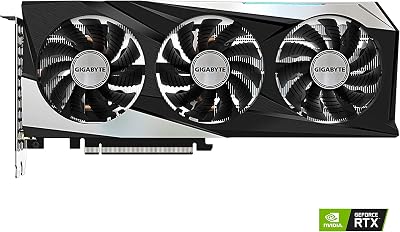
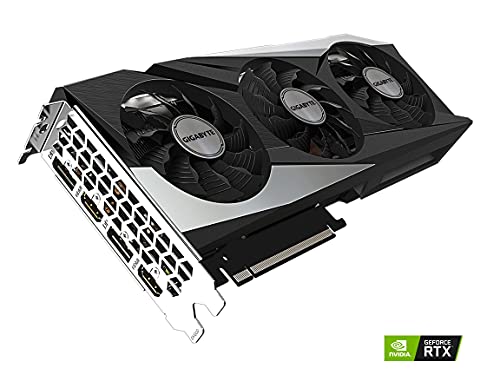
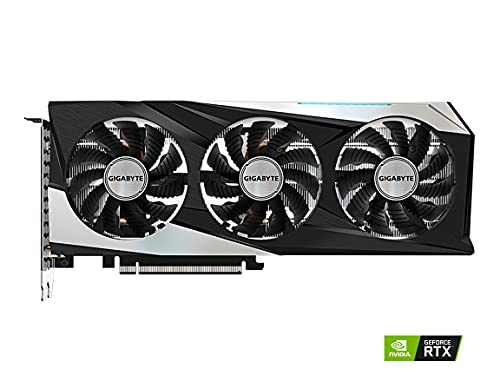
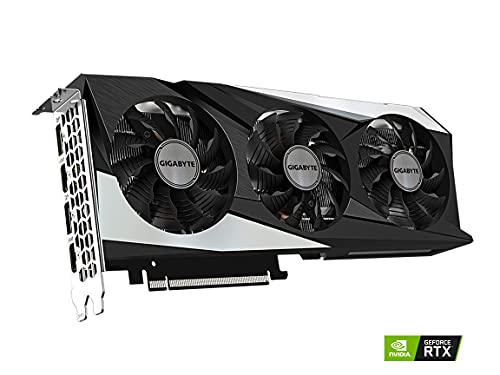
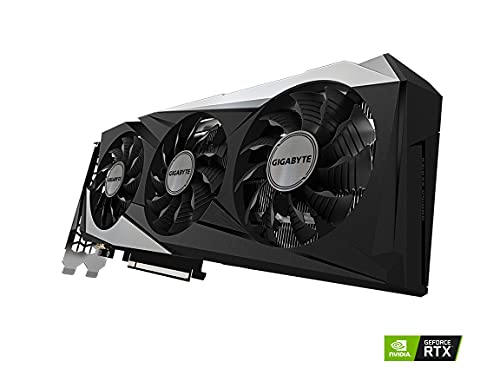
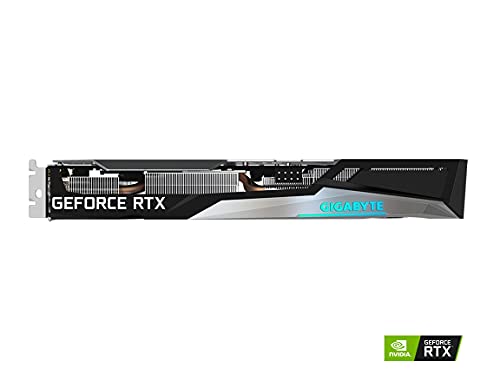
5. Gigabyte GeForce RTX 3060 Gaming OC 12GB GDDR6 V2

20
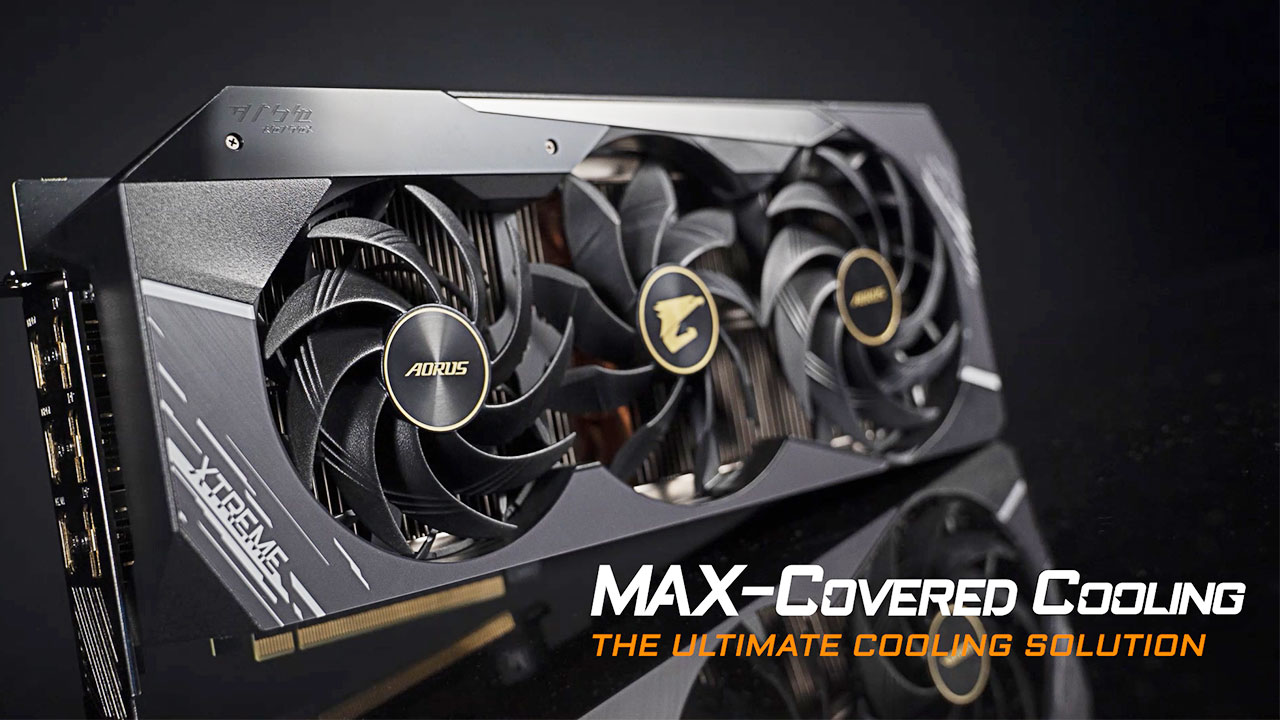
GIGABYTE GeForce RTX 3060 Gaming OC 12G (REV2.0) Graphics Card, 3X WINDFORCE Fans, 12GB 192-bit GDDR6, GV-N3060 Video Card
In Stock





As an Amazon Associate we earn from qualifying purchases. Product prices and availability are accurate as of the date/time indicated.
The Gigabyte RTX 3060 Gaming OC V2 is the future-minded alternative for beginners willing to invest a bit more. Like the MSI 3060 it carries 12GB of GDDR6 and the full RTX feature set — ray tracing and DLSS — in Gigabyte’s well-cooled Gaming OC design with a factory overclock. Pricing varies with availability, so compare it against the MSI 3060 on the day and pick whichever offers the better deal.
For a beginner, the appeal mirrors the other 3060: a roomy 12GB frame buffer, modern visual features, and capable 1080p-to-entry-1440p performance with headroom to last. Gigabyte’s triple-cooling Gaming OC keeps temperatures and noise in check. As with the MSI version, be honest with yourself about budget — this is more card than a bare-minimum 1080p starter requires. But if you want a future-proof first GPU and the price is right versus the MSI model, the Gigabyte 3060 is an equally sound choice.
Pros: 12GB VRAM, full RTX features, factory overclock, strong cooling, future-proof for a beginner.
Cons: Pricing varies and runs high; more performance than a minimal 1080p build needs.
6. GIGABYTE GeForce GT 710 2GB DDR3 Graphics Card

13
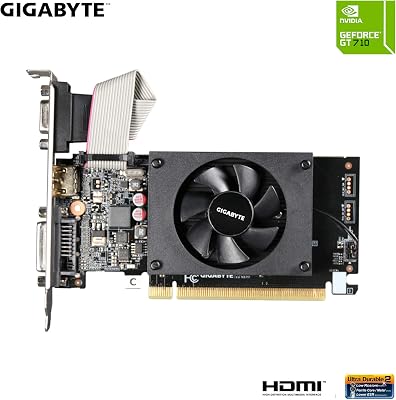
GIGABYTE 2GB RAM DDR3 SDRAM Video Graphics Cards GV-N710D3-2GL REV2.0 for Desktop
In Stock


As an Amazon Associate we earn from qualifying purchases. Product prices and availability are accurate as of the date/time indicated.
In the interest of honesty, the GIGABYTE GT 710 is not a gaming graphics card, and we have placed it last and flagged it clearly. It is a basic, low-profile display adapter with just 2GB of slow DDR3 memory and a tiny GPU, designed to add monitor outputs to a PC that has no integrated graphics — not to play modern games. At around $68 it is inexpensive, but for a different job than the rest of this list.
Be clear about what it can and cannot do. The GT 710 will drive a desktop, play video, and support multiple monitors, which is genuinely useful for an office PC, a media box, or as a stop-gap to get a system to display while you save for a real GPU. It will not deliver a playable experience in current games — the small GPU, 2GB of DDR3 and limited bandwidth are far below what 1080p gaming requires. If you are a beginner who wants to game, skip it and choose one of the cards above; consider the GT 710 only if you simply need basic video output.
Pros: Cheap, low-profile, adds monitor outputs and handles video and a basic desktop.
Cons: Not a gaming card — a basic 2GB DDR3 display adapter; cannot run modern games at playable settings.
How to Choose a GPU as a Beginner
As a beginner, the first thing to get right is matching the card to your resolution, and for most first builds that means 1080p. At 1080p you do not need an expensive high-end GPU — an efficient mainstream card like the GTX 1660 Super or a value option like the RX 580 delivers a smooth experience for far less money. Decide what resolution you actually play at before anything else, because buying far beyond it is the most common way new builders overspend.
VRAM, the memory on the card, is the next thing to weigh. More VRAM helps with higher texture settings and memory-hungry games and gives a little future headroom. The RX 580’s 8GB and the RTX 3060’s 12GB are generous for the class, while the 1660 Super’s 6GB is sufficient for mainstream 1080p gaming today. For a beginner, 6GB is a reasonable floor for comfortable 1080p play, and more is welcome if the budget allows — but it is not worth blowing the budget on alone.
Be realistic about features and future-proofing versus cost. Modern extras like ray tracing and DLSS, found on the RTX 3060 cards, are nice to have and extend a card’s relevance, but they push the price up and are not essential for a first 1080p rig. This is the honest tension in this list: the 3060s are excellent but are more card than a strict beginner needs, while the 1660 Super and RX 580 are the value-first picks. Spend on features only if you can afford them without starving the rest of the build.
Finally, mind the practical fit and avoid the wrong category entirely. Check that the card physically fits your case and that your power supply has the right connectors and headroom — older cards like the RX 580 draw more power than the efficient 1660 Super. And steer clear of basic display adapters like the GT 710, which exist to add monitor outputs, not to play games. Pick your resolution, set a sensible VRAM floor, buy features only if budget allows, confirm the physical and power fit, and choose the value-first beginner card on this list that suits you.
Frequently Asked Questions
What is the best GPU for a beginner on a budget?
For most first-time builders gaming at 1080p, the GTX 1660 Super is the best starting point — it is affordable, efficient, has 6GB of VRAM, and works with modest power supplies. The Radeon RX 580 is another strong budget pick with 8GB of VRAM, though it draws more power. Both deliver smooth 1080p gaming without the cost of the RTX 3060s, which are more card than a beginner strictly needs.
How much VRAM does a beginner GPU need?
For comfortable 1080p gaming, treat 6GB as a sensible floor — the amount on the GTX 1660 Super. More VRAM, such as the RX 580’s 8GB or the RTX 3060’s 12GB, helps with higher texture settings and gives future headroom, which is welcome if your budget stretches. But VRAM is only one factor; do not overspend on a card purely for a bigger memory number when a balanced, affordable option covers your games.
Is the RTX 3060 overkill for a beginner?
It can be, and we say so plainly. The RTX 3060 cards here are excellent — 12GB of VRAM, ray tracing and DLSS — but at around $399 they are more than a bare-minimum 1080p starter build requires. They make sense if you can afford the extra cost and want future-proofing or entry 1440p. If smooth 1080p on a tight budget is the goal, the cheaper 1660 Super or RX 580 are the smarter beginner buys.
Can I game on the GIGABYTE GT 710?
No, not modern games at playable settings. The GT 710 is a basic display adapter with a tiny GPU and only 2GB of slow DDR3 memory, designed to add monitor outputs to a PC without integrated graphics — useful for an office or media machine. It cannot run current games acceptably. If you want to game, choose one of the actual gaming cards on this list instead and skip the GT 710.
Related Guides
- Best GPUs for Gaming
- Best Budget GPUs
- Best GPUs for 1080p Gaming
- Best CPUs for Low Latency
- Best Power Supplies for Your Build
- Best Gaming PC Builds
Affiliate Disclosure: As an Amazon Associate, we earn from qualifying purchases. If you click a link and make a purchase, we may earn a small commission at no extra cost to you. Prices and availability are accurate as of publication and may change.