

- Top Pick: TowerTop 2/10/25 Amp 12V Smart Car Battery Charger, Fully Automatic Battery Maintainer with Engine Start, Auto Desulfator, Battery Repair, Winter Mode, for AGM, STD, Gel, Deep Cycle Batteries
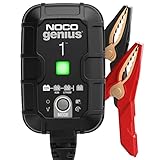
- Best Value: NOCO GENIUS1 1A 6/12V Smart Battery Charger, Trickle Charger & Maintainer | Overcharge Protection, Desulfator, Temperature Compensation, Force Mode, For Lead-Acid (Wet, Gel, AGM) & Lithium (LiFePO4)
- Premium Choice: Schumacher Electric 15A Car Battery Charger & Maintainer, 6V/12V – SC1280 | 3A Trickle Charge, Restores Batteries, Fully Automatic & Microprocessor Controlled – Power Sport, Auto, Marine Batteries
A dead battery rarely announces itself at a convenient time, and the charger you keep in the garage decides whether it is a ten-minute nuisance or a ruined weekend. The real question behind this search is not simply which charger is strongest. It is whether you need a gentle maintainer that sits on a stored vehicle for months, a mid-size smart charger for routine top-ups, or a wheeled unit that can also crank an engine. Those are three different tools, and the ten listings below cover all of them. Most buyers only need one of the three, and buying the wrong type is the most common reason a charger ends up unused on a shelf.
This guide is for owners of daily drivers, seasonal vehicles such as motorcycles, boats and lawn tractors, and anyone with a diesel truck or a lithium battery who needs to confirm compatibility before buying. Battery chemistry, voltage and amperage matter far more than brand names, so each comparison below leans on the numbers printed in the product titles. If you are shopping in 2026 for a charger that will serve several vehicles, look closely at the chemistry list before anything else.
Quick Picks
As an Amazon Associate we earn from qualifying purchases at no extra cost to you.



| Product | Best for | Key spec from the title |
|---|---|---|
| TowerTop 2/10/25 Amp | Multi-rate flexibility | 12V, engine start, auto desulfator, winter mode |
| NOCO GENIUS1 | Long-term storage | 1A, 6/12V, lead-acid and LiFePO4 |
| Schumacher SC1280 | Cars and power sports | 15A, 6V/12V, 3A trickle charge |
| NOCO GENIUS5 | All-round garage use | 5A, 6/12V, lead-acid and LiFePO4 |
| Schumacher SC1445 | Wheeled jump-starting | 250A engine start, 135-minute timer |
| E-FAST 25A | Trucks and 24V systems | 12V/24V, 200s booster mode |
| 12V 10A Smart Charger | Mixed vehicle fleets | 10A, LCD display, 8-layer protection |
| E-FAST 0-20A | Adjustable output | 0-20A, 12/24V, pulse repair |
| CRAFTSMAN CMXCESM258 | Straightforward home use | 12A, 6V/12V |
| Schumacher SC1446 | Mid-size jump-starting | 10A charge, 200A engine start |
How to Choose
Confirm battery chemistry first
Most older cars use flooded lead-acid, AGM or gel batteries, and nearly every charger here handles them. Lithium iron phosphate (LiFePO4) is the one to verify. The NOCO listings and both E-FAST models name LiFePO4 in their titles. The TowerTop title lists AGM, standard, gel and deep cycle batteries, and the Schumacher titles point to power sport, auto and marine use without naming lithium. A charger without a lithium mode can damage a lithium pack, so never guess.
Pick the amperage that matches the job
One amp is a maintenance float for a battery that is already healthy, and it will take days to revive anything flat. Five to ten amps is the sweet spot for a car, filling a typical battery overnight. Twelve to twenty-five amps shortens the wait for big truck or marine batteries. Higher output does not make a better trickle charger, so choose the lowest level that finishes your usual job. A useful habit is to size up only when the battery is large: a 25A unit makes sense for a truck, while a motorcycle battery is happiest with a gentle one or two amps.
Decide whether you need engine start
A few listings combine charging with a starting function. The Schumacher SC1445 advertises a 250A engine start and the SC1446 a 200A start, both with a manual 135-minute timer. The TowerTop also lists engine start. These are convenient for emergencies, but they use a manual timer rather than a fully automatic cycle, so you must watch the clock.
Look for the protections that matter
Temperature compensation adjusts the charge in hot or freezing garages, and several listings name it. Overcharge protection, reverse polarity safeguards and automatic shutoff are the features that prevent damage if you connect the clamps in a hurry. Treat desulfator and repair modes as helpful extras for tired batteries, not guarantees. A reverse-polarity alarm, a clear indicator for charge stage and clamps with solid teeth are small details that make a charger easier to live with over years of use. Ignore long feature lists with unspecific claims and look for a clear voltage and amperage line.
The 10 Best Options
TowerTop 2/10/25 Amp Smart Charger
This 12V unit packs three output levels into a single fully automatic charger and maintainer. The title lists engine start, an auto desulfator, battery repair and a winter mode, for AGM, standard, gel and deep cycle batteries.
- Strength: 2, 10 and 25 amp options cover small and large batteries.
- Strength: winter mode and engine start are named in the title.
- Trade-off: the title mentions no lithium compatibility, so lithium owners should look elsewhere.
Skip it if your vehicles run on LiFePO4 batteries.
NOCO GENIUS1
The GENIUS1 is a 1A, 6/12V trickle charger and maintainer, meant to be left connected. It lists overcharge protection, a desulfator, temperature compensation and a force mode, and it supports wet, gel, AGM and lithium (LiFePO4) batteries.
- Strength: handles both lead-acid and LiFePO4.
- Strength: temperature compensation suits unheated garages.
- Trade-off: at 1A it is slow for a deeply drained battery.
Skip it if you want a quick recharge for a flat car battery.
Schumacher Electric SC1280
This 6V/12V charger and maintainer lists 15A of capacity, a 3A trickle charge, and microprocessor control that makes it fully automatic. The title points to power sport, auto and marine batteries and mentions restoring batteries.
- Strength: 6V and 12V support handles older equipment.
- Strength: fully automatic operation with a trickle mode.
Trade-off: no lithium chemistry appears in the title. Skip it if you own lithium batteries or need a 24V system.
NOCO GENIUS5
Step up from the GENIUS1 when a single garage must serve a car, a motorcycle and a mower. It is a 5A, 6/12V smart charger and maintainer with overcharge protection, a desulfator, temperature compensation and force mode, covering lead-acid and LiFePO4.
- Strength: 5A is a practical level for routine car top-ups.
- Strength: both lead-acid and lithium chemistries are named.
- Trade-off: it is not a jump-starter.
Skip it if you need engine start or a 24V option.
Schumacher Electric Wheeled SC1445
This is a heavy-duty garage cart for people who want both charging and starting. The title lists 6V/12V operation, a 250A engine start, 50A and 25A boost modes and a 135-minute manual timer, for power sport, auto and marine batteries.
- Strength: 250A engine start for stubborn engines.
- Strength: wheels make it easier to move around a shop.
- Trade-off: the timer is manual, so someone must watch it.
Skip it if you want a set-and-forget maintainer for stored vehicles.
E-FAST 25A Smart Charger
For larger batteries, this 25A unit supports 12V and 24V systems. It is described as an automatic maintainer and desulfator with a 200-second booster mode, adjustable amperage trickle charging and compatibility with lead-acid, AGM, gel and LiFePO4.
- Strength: 12V/24V support covers trucks and equipment.
- Strength: adjustable amps and lithium compatibility.
Trade-off: 25A is more output than a small motorcycle battery needs. Skip it if you only own compact vehicles.
12V 10A Smart Trickle Charger
An unbranded 10A option for households with several kinds of vehicle. The title lists fully automatic operation, a battery maintainer function, temperature compensation, an LCD display and 8-layer protection for cars, trucks, motorcycles, lawn mowers and boats.
- Strength: LCD display shows charging status.
- Strength: broad vehicle compatibility in the title.
- Trade-off: the title lists no battery chemistries, so confirm them first.
Skip it if you want a recognizable brand name behind support.
E-FAST 0-20A Battery Charger
This variable-output charger spans 0 to 20A at 12V or 24V. The title lists LiFePO4 and lead-acid support, trickle and pulse repair modes, and use on cars, trucks, motorcycles, lawn mowers and boats.
- Strength: adjustable range lets one charger cover small and large batteries.
- Strength: 12V and 24V support, plus LiFePO4.
- Trade-off: more adjustability means more settings to learn.
Skip it if you want a plug-in-and-forget charger with minimal choices.
CRAFTSMAN CMXCESM258
The CRAFTSMAN keeps things simple: a 12A charger and maintainer that handles 6V and 12V batteries. The title offers few extras, which suits a buyer who wants a familiar tool brand and a plain feature set.
- Strength: 12A output with 6V/12V flexibility.
- Strength: charger and maintainer in one.
- Trade-off: the title is sparse, so chemistry support and protections need checking.
Skip it if lithium compatibility or detailed features are a must.
Schumacher Electric SC1446
A smaller companion to the SC1445, this wheeled unit offers a 10A charge, a 200A engine start and 20A or 40A boost modes. It runs on 6V or 12V with a manual 135-minute timer for power sport, auto and marine batteries.
- Strength: engine start in a more modest cart.
- Strength: boost modes for stubborn batteries.
- Trade-off: manual timer control requires attention.
Skip it if you want hands-off maintenance for a stored vehicle.
Which One Fits Your Situation
You store a motorcycle or classic car for winter
The NOCO GENIUS1 is built to sit on a healthy battery for months, with temperature compensation and overcharge protection. The NOCO GENIUS5 does the same job while charging faster.
You own a lithium battery
Choose a charger that names LiFePO4, such as the NOCO GENIUS5, E-FAST 25A or E-FAST 0-20A. The NOCO GENIUS1 also lists lithium, which makes it a fit for a small lithium motorcycle battery on a winter shelf. Whatever you buy, read the manual for the correct lithium setting.
You drive a truck or run 24V equipment
The E-FAST 25A and E-FAST 0-20A both list 12V and 24V, so they cover bigger batteries that standard 12V chargers cannot. Between them, the 25A model suits a shop with a few large batteries, while the 0-20A model gives finer control when you also charge smaller ones.
You want to jump a dead engine without another car
The Schumacher SC1445 offers a 250A start, and the SC1446 a 200A start at lower output. Both use manual timers, so plan to stay nearby while they run. Their wheels make them easy to roll next to a vehicle in a driveway or shop.
Common Mistakes
- Using a charger without a lithium mode on a LiFePO4 battery.
- Buying the highest amperage available and using it as a trickle charger.
- Leaving a manual-timer charger connected after the timer window ends.
- Ignoring voltage, since 6V and 24V batteries need chargers that list them.
- Connecting clamps in the wrong order or to a battery in a poorly ventilated area.
Related guides
- Combination Smoke And Carbon Monoxide Detectors
- Aio Liquid Coolers For High Performance Gaming
- How To Lower Input Delay In Competitive Shooters
Frequently Asked Questions
What size charger do I need for a car battery?
A 5A to 10A unit handles most passenger cars overnight. Go higher only for large truck, marine or deep cycle batteries, and drop to a 1A or 2A maintainer for motorcycles and lawn tractors.
Can I leave a smart charger connected all winter?
Maintainer-style smart chargers are designed for that purpose and switch to a float mode. Avoid doing so with manual-timer units, which the titles describe as timer controlled, and never leave any charger on a battery in a sealed space.
Does a desulfator really revive a dead battery?
It may help batteries with mild sulfation, but it will not fix a battery with internal damage. Treat it as a bonus feature.
Is a charger with engine start safer than a separate jump pack?
Both are common. A charger with engine start needs a wall outlet nearby, while a portable jump pack works anywhere, so the choice depends on where you park.







