Respawn’s second Cal Kestis adventure is one of the biggest single-player releases ever to land on PC without a Linux build, and its Linux story is really two stories: a Windows build that Proton handles well, and a publisher launcher standing in front of it. This audit reads the records directly — Steam’s own listing, the one related app in its family, the ProtonDB summary figures, Valve’s Steam Deck record and GOG’s catalogue — and keeps this game separate from Jedi: Fallen Order, a different listing.
The short version: there is no native port and none is promised, the Proton file is deep and strong, the Deck badge is Playable rather than Verified, and every copy signs in through the EA App before it starts.
As an Amazon Associate, we earn from qualifying purchases.
Quick answer
STAR WARS Jedi: Survivor has no native Linux build: Steam flags the game Windows-only with an empty Linux requirements shell. The Windows build runs through Proton with a Gold headline tier and a Platinum best-reported tier across 259 ProtonDB reports, and Valve rates it Playable on Steam Deck. Every copy signs in through the EA App, and no GOG edition exists.
What Steam’s own record says
Steam’s store record for the game (app 1774580, established from Steam’s own store search) flags exactly one platform: windows is true, mac is false and linux is false. The linux_requirements block exists only as a shell — Minimum and Recommended headings with both lists empty — the store template’s formatting, not a specification.
The rest of the record describes a substantial single-player release from Respawn, published by Electronic Arts in April 2023, with full controller support, DualShock and DualSense support and HDR available. The published Windows minimum asks for Windows 10 64-bit, a four-core eight-thread processor at the level of a Core i7-7700 or Ryzen 5 1400, 8 GB of RAM, a graphics card with 8 GB of VRAM at the level of a GTX 1070 or Radeon RX 580, DirectX 12 and 155 GB of storage. Its notes add that an internet connection is required for non-optional patching and that the game has no online play.
Two notices matter more for Linux readers than the hardware list. The third-party DRM field states, in Steam’s wording, that EA online activation and EA app software installation and background use are required, and a separate notice names an EA Account as the third-party account. That is the whole account position, stated exactly as the record states it.
The family sweep: one upgrade, zero Linux flags
The game’s Steam family is the shortest kind this audit meets. The record’s DLC list holds exactly one app, read individually here: the Deluxe Upgrade (app 2161370), a cosmetic pack whose own record flags Windows only, carries an empty Linux requirements list outright and repeats the same EA activation notice. A dedicated store search for a soundtrack returns no app in this family, so the soundtrack trap, where an audio app’s Linux flag masquerades as the game’s, cannot fire here. Across the whole family of two apps, the Linux-flag count is exactly zero.
The Proton file
ProtonDB’s summary record for the game, read directly this session, is a split file on a deep pool: a Gold headline tier, a Platinum best-reported tier and a Gold trending tier, across 259 reports, with strong confidence. Read plainly, the headline and trending tiers say the typical reported experience is a good one with caveats attached, while the best-reported tier says the strongest current reports run it at the top grade.
That pool is a substantial one for a single-player game of this size, and the strong confidence rating means the tiers rest on volume rather than a handful of submissions.
The Steam Deck sheet
Valve’s compatibility record rates the game Playable on Steam Deck. The verdict and its check sheet are read here through SteamDB’s republication of Valve’s compatibility data, because Valve’s own compatibility endpoint returned unreadable data this session; the checks below are Valve’s, republished. Three checks pass: all functionality is accessible with the default controller configuration, the game shows Steam Deck controller icons, and the default graphics configuration performs well on Steam Deck. Against those passes sit the notes that keep the badge at Playable rather than Verified: the game’s launcher or setup tool may require the touchscreen or virtual keyboard, or have difficult to read text; some in-game text is small and may be difficult to read; and first-time setup requires an active internet connection — the EA App sign-in, surfacing in Valve’s own paperwork. The same record rates the game Compatible on SteamOS and publishes its test paperwork: the test is dated 9 April 2026, and the recommended runtime named is proton-experimental.
The EA App layer
The one part of this record that is not about Proton at all is the sign-in. Steam’s notices require EA online activation, installation of the EA App and its background use, plus an EA Account, before the campaign starts. Under Proton that launcher step is a compatibility surface of its own: it is the step Valve’s Deck sheet flags for touchscreen or virtual keyboard use, and why first-time setup needs an active internet connection. None of that makes the game unplayable — the ProtonDB file is built from hundreds of reports filed by players who passed through exactly this step — but the fragile moment of a Linux install is the launcher window, not the game, and keeping Proton current is the standing advice the report pool supports.
The storefront ruling
There is no GOG edition of this game. GOG’s own search returns zero products for the title, and the title’s would-be product address on GOG redirects to the general catalogue — checked directly, because GOG’s search can miss titles it demonstrably sells. Here both routes agree: no DRM-free copy exists to buy. The Steam copy is the only PC edition and the buy this audit rules on.
Gear that fits the record
The gear below follows the record’s shape: the handheld the Playable badge was written for, two pads, a mouse for menu-heavy desktop sessions, and library storage sized for a 155 GB install.
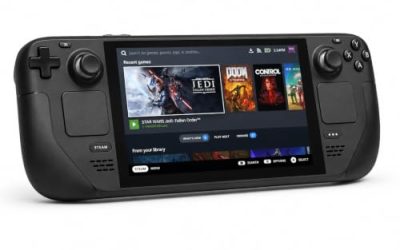
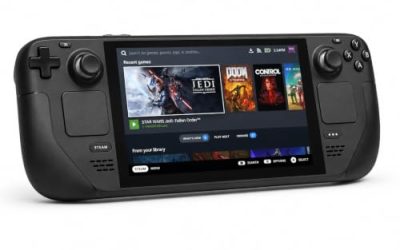
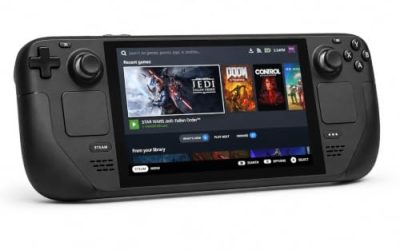
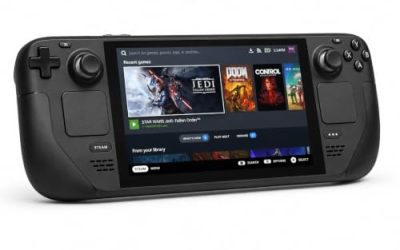
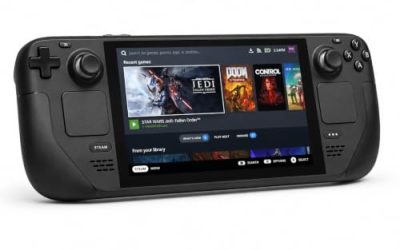
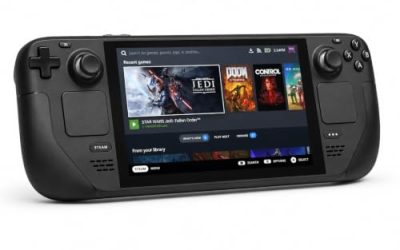
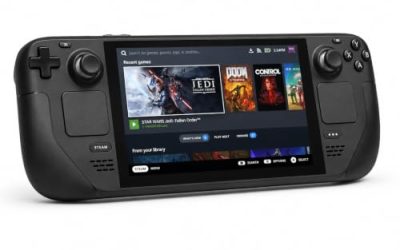
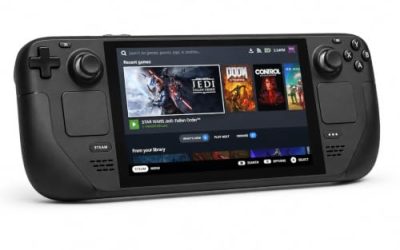
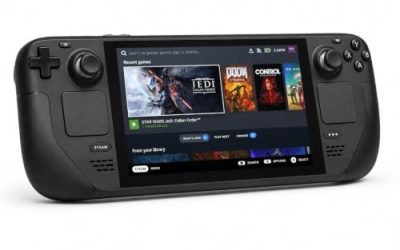
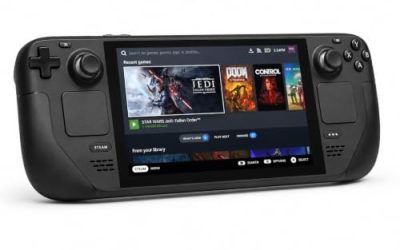
Valve Steam Deck OLED 512GB

The handheld behind the Playable badge. Valve’s sheet passes the default graphics configuration as performant on Deck, and its deductions are launcher and text notes rather than running problems, so the Deck is a genuine way to play this game.
Specs
- Display: 7.4-inch HDR OLED, 1280 by 800, up to 90 Hz
- Processor: AMD Zen 2 and RDNA 2 custom APU
- Memory: 16 GB LPDDR5
- Storage: 512 GB NVMe, plus a microSD slot
- Wireless: Wi-Fi 6E and Bluetooth
- Channel note: Valve sells the Deck mainly through its own store, so Amazon listings are third-party sellers
8BitDo Ultimate 2 Bluetooth Controller

The docked and desktop pad pick. Steam lists full controller support for the game, with DualShock and DualSense support named as well, and this pad covers the couch case with modern sticks and triggers plus back buttons for menu and map shortcuts.
Specs
- Connectivity: Bluetooth wireless and USB-C wired
- Joysticks: TMR electromagnetic, anti-drift design
- Triggers: Hall effect, with mode switching
- Extras: two remappable back buttons, motion control
- In the box: charging dock included
Xbox Wireless Controller, Carbon Black

The safest guest pad in PC gaming: Steam Input support is universal, the glyphs match what most games display, and it pairs over Bluetooth or its own wireless standard. For a game whose record leans on controller play, it is the no-configuration option at a desk.
Specs
- Connectivity: Xbox Wireless and Bluetooth
- Port: USB-C for wired play
- Controls: hybrid D-pad, dedicated Share button
- Power: AA batteries or optional rechargeable pack
Logitech G502 HERO

Survivor’s combat is pad-first, but its menus, map and skill trees are pointer work, and at a desk a precise wired mouse turns navigation into single clicks. Eleven programmable buttons cover the confirm, cancel and camera inputs.
Specs
- Sensor: HERO optical sensor, up to 25,600 DPI
- Buttons: 11 programmable buttons
- Weights: adjustable weight system
- Connection: wired USB connection
- Profiles: on-board memory profiles
Samsung T9 Portable SSD 2TB

A 155 GB install makes library management a real chore, and a fast portable drive is the simple answer for moving a Linux game library between machines or keeping an offline backup. The headline figure needs a Gen 2×2 host port; on a lesser port the drive runs at that ceiling instead.
Specs
- Capacity: 2 TB portable SSD
- Interface: USB 3.2 Gen 2×2, USB-C connector
- Maker-rated speeds: up to 2,000 MB per second read, 1,950 MB per second write
- Features: Dynamic Thermal Guard, maker-rated drop resistance
How to choose
Choose the Steam copy on a desktop Linux PC if your hardware clears the published minimum with room to spare — this is a heavy game, and the Proton file’s Gold tiers describe the build on capable machines. Choose the Steam Deck for handheld play if a Playable badge is enough: the default graphics configuration is passed as performant, and the deductions are a launcher that may want the touchscreen and some small text. On either route, do the first launch somewhere with a connection and patience, keep Proton current, and budget the 155 GB of storage first.
Who should skip
Skip this game if any required third-party account is a deal-breaker: the record requires an EA Account, EA online activation and the EA App installed and running in the background, with no offline-first alternative on PC. Skip it if you want a DRM-free installer, because no GOG edition exists. Skip it on hardware near or below the published minimum, and skip it on the Deck if small in-game text or a touchscreen-driven launcher step would spoil the game for you. And skip it if your buying rule is native-or-nothing.
FAQ
Is STAR WARS Jedi: Survivor native on Linux?
No. Steam’s record flags the game Windows-only, with mac and linux both false and the Linux requirements block an empty shell. The only related app, the Deluxe Upgrade, is Windows-only too. Linux play means the Windows build through Proton.
How well does Jedi: Survivor run under Proton?
ProtonDB’s summary record reads Gold on the headline tier, Platinum on the best-reported tier and Gold on the trending tier, across 259 reports with strong confidence — a good typical experience with caveats, and the strongest current reports at the top grade.
What does the EA App requirement mean on Linux?
Steam’s record states that EA online activation and EA app software installation and background use are required, and names an EA Account as the third-party account. The game is single-player with no online play, but the sign-in still gates the first launch, and Valve’s Deck sheet notes that first-time setup needs an active internet connection.
Is Jedi: Survivor Playable on Steam Deck, and can I buy it on GOG?
Valve’s record rates it Playable: the default controller configuration is fully functional, Deck controller icons are shown and the default graphics configuration performs well, with notes about the launcher possibly needing the touchscreen or virtual keyboard, some small text, and internet for first-time setup. There is no GOG edition.
Final verdict
Jedi: Survivor on Linux is a Proton story with a launcher in front of it. The Steam record is unambiguous — Windows-only flags, an empty Linux requirements shell, a one-app family with zero Linux flags — and the Proton file behind it is deep and strong: Gold headline and trending tiers, a Platinum best-reported tier, 259 reports at strong confidence. Buy the Steam copy on capable hardware, expect the EA App sign-in to be the fiddliest step of setup, and do not wait for a native port or a GOG edition: neither exists in any record read here.
Product and ASIN Reference
| Product | ASIN |
|---|---|
| Valve Steam Deck OLED 512GB | B0CQ3RWQQZ |
| 8BitDo Ultimate 2 Bluetooth Controller | B0F194QFT2 |
| Xbox Wireless Controller, Carbon Black | B08DF248LD |
| Logitech G502 HERO | B07GBZ4Q68 |
| Samsung T9 Portable SSD 2TB | B0CHFS9K14 |