Most “recliner chairs for the elderly” guides are written by people who’ve never sat in an office chair for eight hours, let alone tried to get an 80-year-old out of a chair with bad knees. The actual problem isn’t recline angle, it’s getting in and out safely, staying supported without sliding, and not needing a repair call six months in. That’s an ergonomics and mechanics problem, which is the one thing this site actually knows.
What actually matters in this category
Three things decide whether a recliner works for an older adult, and none of them is how plush the cushion looks in photos.
Seat height and exit assist. Standard recliners sit low, which is fine for a 30-year-old and rough on anyone with hip or knee arthritis. A seat that’s too low turns every exit into a push-up. Power lift recliners solve this by tilting the whole chair forward until the person is nearly standing, which removes most of the strain. If mobility is a real concern, this feature matters more than fabric, color, or massage functions combined.
Lumbar and head support that doesn’t disappear on recline. A lot of cheap recliners support the lower back fine when upright, then the backrest goes flat and the support goes with it. Look for chairs with built-in lumbar shaping in the frame, not just a loose pillow, since pillows migrate and end up on the floor.
Weight capacity and frame construction. Manufacturers list a maximum weight, and that number usually assumes gentle, centered use. Someone pushing up out of the chair repeatedly puts more stress on the frame and mechanism than static sitting does. Buying at or near the rated limit is how recliners fail early, usually at the recline mechanism or the seams.
Power lift recliners: who they’re actually for
Power lift chairs are the single most useful upgrade for anyone who struggles to stand from a seated position, has had a hip or knee replacement, or deals with balance issues. The lift motor tilts the seat and back forward together, so the person is pushed up to near-standing height before they have to do any of the work themselves. It’s a mechanical assist, not a medical device, and it won’t fix underlying mobility problems, but it removes a genuinely dangerous moment (the unsupported push-up from a low seat) from someone’s day.
The trade-offs: they’re heavier, pricier, and the lift mechanism is one more thing that can break. They also need to be plugged in, which matters if someone wants to move the chair around or if there’s a power outage and they’re relying on it to get up. If you’re shopping this category, browse power lift recliners and pay attention to the listed weight capacity and seat depth, not just the price.
If mobility isn’t the main issue and it’s really about comfort and support for long sitting, a standard recliner with good lumbar shaping and a higher seat height does the job for less money and less to maintain. Don’t pay for lift assist nobody needs.
Recliner types compared
| Type | Best for | Price range | Main failure point |
|---|---|---|---|
| Standard manual recliner | Good mobility, wants comfort over assist | $150–$400 | Recline lever/mechanism wears out, cushion flattens |
| Power recline (no lift) | Limited hand strength, fine standing up unaided | $350–$700 | Motor failure, usually after years of heavy use |
| Power lift recliner | Difficulty standing from seated, post-surgery recovery | $450–$1,200 | Lift motor strain if used above weight capacity |
| Rocker/glider recliner | General comfort, not aimed at mobility issues | $200–$500 | Glider track loosening over time |
Ergonomic office chairs as an alternative
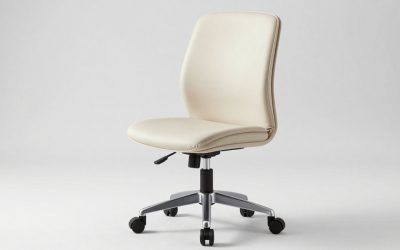
For someone who’s active during the day and uses a chair for reading, hobbies, or a computer rather than all-day lounging, a well-built ergonomic office chair sometimes serves better than a recliner. Office chairs are built for repeated sit-stand cycles, have adjustable seat height (which solves the “too low to get out of” problem directly), and often have better lumbar adjustability than a fixed recliner. The downside is obvious: no recline-to-nap functionality, and the aesthetics read “home office” not “living room.” For anyone splitting time between a desk and a chair they also want to relax in, it’s worth looking at ergonomic office chairs with adjustable lumbar support as a second option rather than assuming a recliner is the only answer.
What’s not worth paying extra for
Heated and massage functions sound appealing but add another motor and more wiring that can fail, and the massage mechanisms in budget recliners are usually a single vibrating motor, not anything therapeutic. If someone genuinely wants heat or massage, a standalone heating pad or massage cushion is cheaper to replace when (not if) it stops working, and it doesn’t take the whole chair down with it.
Oversized “overstuffed” cushioning also isn’t automatically better. Very soft, deep cushions can make it harder to maintain a stable seated posture and harder to push off from when standing. Firmer cushioning that holds its shape usually serves older adults better than maximum plushness, even though it photographs worse in a showroom.
Measuring before buying
Seat height matters more than almost anything else in this category. A good starting point is a seat height that lets feet rest flat on the floor with knees roughly level with or slightly below the hips. If the person currently uses an armchair that works well for getting in and out, measure its seat height and match or exceed it rather than guessing from product photos. Also check the chair’s dimensions when fully reclined against the available floor space. A lot of returns in this category happen because the reclined chair doesn’t fit the room, not because of comfort complaints.
FAQ
Are power lift recliners covered by insurance or Medicare?
In the US, Medicare sometimes covers the lift mechanism itself (not the chair) under durable medical equipment benefits, but this requires a doctor’s prescription and specific documentation. Check directly with Medicare or the relevant insurer before buying, since rules and reimbursement amounts change.
Can a recliner help with back pain or arthritis?
A supportive, well-fitted chair can make sitting more comfortable, but there’s limited evidence that any specific recliner design treats back pain or arthritis. For ongoing pain, see a doctor or physical therapist rather than expecting a chair purchase to resolve it.
How much weight capacity buffer should I buy above the user’s weight?
As a rough guideline, look for a rated capacity meaningfully above the person’s actual weight, since the push-up motion when standing adds real stress beyond static sitting weight. If someone is close to a chair’s maximum rating, go up a size tier.
Is a cheaper manual recliner ever the right call?
Yes, if the person can stand up from a normal seat height without difficulty and just wants a comfortable place to sit and recline, a basic manual recliner with decent lumbar shaping is fine and there’s no reason to pay for lift assist they don’t need.