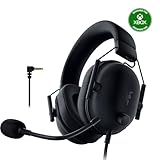
- Top Pick: HyperX Cloud III – Wired Gaming Headset, PC, PS5, Xbox Series X|S, Angled 53mm Drivers, Spatial Audio, Memory Foam, Durable Frame, Ultra-Clear 10mm Mic, USB-C, USB-A, 3.5mm – Black/Red
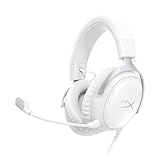
- Best Value: HyperX Cloud Alpha – Gaming Headset, Dual Chamber Drivers, Legendary Comfort, Aluminum Frame, Detachable Microphone, Works on PC, PS4, PS5, Xbox One, Xbox Series X|S, Nintendo Switch and Mobile – Red
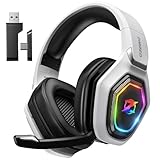
- Premium Choice: HyperX Cloud III S – Wireless Gaming Headset for Multi-Platform, 2.4GHz, Bluetooth, Battery Life up to 120 Hours 2.4GHz / 200 Hours Bluetooth, 53mm Angled Drivers, Detachable Mic – Black
The HyperX Cloud III is the wired workhorse of HyperX’s 2026 headset range, a direct evolution of the Cloud line that made the brand a staple of budget and mid-range gaming. It pairs angled 53mm drivers with spatial audio, thick memory-foam padding, an ultra-clear 10mm detachable microphone, and a flexible connection kit that covers USB-C, USB-A, and plain 3.5mm analog.
This headset is built for the player who wants dependable, comfortable sound without paying for wireless or chasing a flagship feature list. It suits PC gamers, console players on PS5 or Xbox Series X|S, and anyone who values a plug-in-and-forget connection over battery management. If low latency, long comfort, and a modest price matter more than cutting the cord, the Cloud III is squarely in its lane.
As an Amazon Associate we earn from qualifying purchases at no extra cost to you.




⚡ Save on Your Next PC — Amazon Prime
Prime members get fast free shipping on the systems above, plus early access to Prime Day & Black Friday PC deals. New members get a 30-day free trial.
Watch: HyperX Cloud III Review — Video Review
Design & Build
HyperX has kept the Cloud formula that works: a lightweight aluminum-reinforced frame, a padded headband, and generously deep earcups wrapped in soft memory foam that make long sessions genuinely painless. The Black/Red review unit looks restrained for a gaming headset, and build quality punches above the price with metal in the yoke rather than the all-plastic construction common at this tier. The detachable 10mm boom mic clicks in firmly and can be removed entirely for use as everyday headphones, while the braided USB-C cable and 3.5mm option give you real flexibility across devices. It is not fancy, but it is solid and built to survive being thrown in a bag.
Performance
Sound is the Cloud III’s strong suit for the money. The angled 53mm drivers deliver a punchy, slightly bass-forward signature that flatters action games and music alike, and the spatial audio mode adds a convincing sense of directionality for footsteps and gunfire in competitive titles. It will not resolve fine detail like a hi-res wireless flagship, but for the price the clarity and staging are excellent.
The detachable microphone is a highlight, capturing a clear, full voice that comes through cleanly on Discord and in party chat with minimal harshness. Because the connection is wired, there is zero wireless latency, which matters for rhythm and competitive play. The main compromise is exactly that tether: you are managing a cable, and there is no software EQ suite as deep as what pricier headsets offer.
Pros & Cons
- Excellent comfort with deep memory-foam earcups for long sessions
- Punchy, well-staged sound that beats its price class
- Clear detachable microphone and flexible USB-C/USB-A/3.5mm connectivity
- Sturdy aluminum-reinforced build that travels well
- Wired-only, so no cordless freedom
- Bass-forward tuning is not as neutral as some competitors
- Limited software EQ compared with flagship headsets
Alternatives to Consider
If you want to go cordless, the HyperX Cloud III S Wireless steps up to 2.4GHz and Bluetooth with long battery life while keeping the same driver family. Fans of the classic dual-chamber sound can look at the HyperX Cloud Alpha, which remains a comfort benchmark. And if budget is the priority, the HyperX Cloud Stinger 2 Core covers the basics at a fraction of the cost.
Frequently Asked Questions
Does the Cloud III work on PS5 and Xbox?
Yes. It supports PC, PS5, and Xbox Series X|S, and the 3.5mm option means it will also work with a controller jack or mobile device.
Is the microphone good enough for streaming?
For Discord, party chat, and casual streaming the detachable 10mm mic is clear and full, though dedicated streamers will still get better results from a standalone USB microphone.
Can I use it as regular headphones?
Absolutely. Remove the boom mic and connect over 3.5mm and it works fine as everyday headphones for music and video.
Is there a wireless version?
Yes, the Cloud III S Wireless offers 2.4GHz and Bluetooth if you prefer to cut the cable, though it costs more than this wired model.
Verdict
The HyperX Cloud III is one of the safest picks in the mid-range: it is comfortable for hours, sounds better than its price implies, and connects to nearly anything, with wired-only operation and a bass-leaning tuning as its only real caveats. For a player who wants dependable, low-latency gaming audio without spending flagship money in 2026, it is an easy recommendation.