- Top Pick: 17.3 Inch Laptop with Windows11,Intel Quad-core Processor, 6000 mAh Battery
- Best Value: GEEKOM A6 Mini PC, Ryzen 7 6800H, 16GB DDR5 Upgradable RAM 1TB PCIe 4.0 SSD
- Premium Choice: Acer Aspire Go 15 AI Ready Laptop | 15.6" FHD (1920 x 1080) IPS Display | AMD Ryzen 7 7730U | AMD Radeon Graphics | 16GB DDR4 | 512GB PCIe Gen4 SSD | Wi-Fi 6 | Windows 11 Home | AG15-42P-R9FW
Graphic design lives on big files. Layered Photoshop documents, high-resolution RAW photos, vector libraries, and exported assets stack up fast, and the drive they sit on quietly shapes how the whole workflow feels. A fast, roomy SSD opens and saves those large files quickly, gives applications a responsive scratch disk to work on, and stops your project library from overflowing. Where a designer once tolerated a spinning hard drive, an SSD transforms the experience with near-instant access and high sustained transfer speeds. This guide rounds up the best SSDs for graphic design in 2026, focused on the two things that matter most for creative work: ample capacity and fast read/write performance.
- Best SSDs for Graphic Design at a Glance
- 1. SAMSUNG 970 EVO Plus SSD 2TB NVMe M.2 Internal SSD (V-NAND)
- 2. SANDISK 2TB Extreme Portable SSD – Up to 1050MB/s, USB-C, USB 3.2 Gen 2
- 3. Samsung 870 EVO SATA III SSD 1TB 2.5″ Internal Solid State Drive
- 4. Samsung SSD 870 EVO 1TB 2.5″ Internal SSD, Intelligent TurboWrite
- 5. SANDISK 2TB SSD Plus 2.5″ SATA Internal SSD, Read up to 545 MB/s
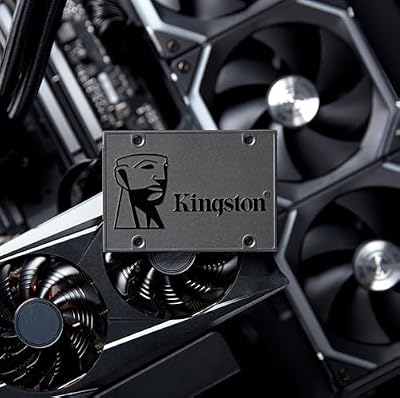
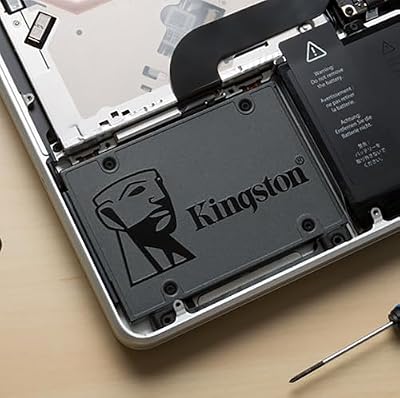
- 6. Kingston 960GB A400 SATA3 2.5″ Internal SSD – HDD Replacement
- How to Choose an SSD for Graphic Design
- Frequently Asked Questions
- Related Guides
- Related Articles
- Related Guides
Our picks were chosen on capacity, sequential read and write speed, drive type and connection (NVMe, SATA, or portable USB-C), and value, with prices from around $181 up to around $486. The mix is deliberate: a blazing NVMe drive for an active project and scratch disk, large SATA SSDs for an affordable working and archive library, and a portable SSD for moving big projects between machines or backing up on location. We describe each drive by its real capability and fit rather than quoting invented benchmark numbers. Below is an at-a-glance comparison of all six, then a closer look at each and a buyer’s guide built around capacity, speed, and drive type.
As an Amazon Associate we earn from qualifying purchases.




🛒 Best Price Today on Amazon
Prime members get fast, free shipping on everything above, plus member-only deals. New members get a 30-day free trial — cancel anytime.
Best SSDs for Graphic Design at a Glance
| Drive | Best For | Standout Spec | Approx Price |
|---|---|---|---|
| Samsung 970 EVO Plus 2TB NVMe M.2 | Active project + scratch disk | 2TB NVMe, V-NAND, M.2 | around $365 |
| SanDisk 2TB Extreme Portable SSD | Big projects on location | 2TB portable, up to 1050MB/s USB-C | around $279 |
| Samsung 870 EVO 1TB SATA 2.5″ | Reliable working library | 1TB SATA, Intelligent TurboWrite | around $486 |
| Samsung SSD 870 EVO 1TB 2.5″ | Fast SATA boot + apps | 1TB SATA, TurboWrite cache | around $329 |
| SanDisk 2TB SSD Plus 2.5″ SATA | Large affordable archive | 2TB SATA, up to 545MB/s read | around $399 |
| Kingston 960GB A400 SATA 2.5″ | Budget HDD replacement | 960GB SATA, drop-in upgrade | around $181 |
1. SAMSUNG 970 EVO Plus SSD 2TB NVMe M.2 Internal SSD (V-NAND)

SAMSUNG (MZ-V7E500BW) 970 EVO SSD 500GB - M.2 NVMe Interface Internal Solid State Drive with V-NAND Technology, Black/Red


As an Amazon Associate we earn from qualifying purchases. Product prices and availability are accurate as of the date/time indicated.
The Samsung 970 EVO Plus 2TB is our top pick for graphic design and leads the list because it is the fastest, most capacious drive here for the work that matters: an active project and scratch disk. As a 2TB NVMe M.2 drive built on Samsung’s V-NAND, it offers the high sequential read and write speeds that make opening and saving enormous layered files feel near-instant, and 2TB is enough to keep a substantial body of current work on the fast drive. At around $365 it is a serious, well-judged investment for a design workstation.
For graphic design specifically, an NVMe drive like this shines as your working volume and application scratch disk. Photoshop and similar tools lean heavily on fast storage when juggling large documents and history states, and the 970 EVO Plus’s high throughput keeps those operations snappy. The 2TB capacity holds active RAW libraries, layered files, and exports without the constant shuffling a smaller drive forces. If you want one drive to make your day-to-day design work feel fast, this is the standout choice to build around.
Pros: Fast 2TB NVMe for big files and scratch disk, proven Samsung V-NAND reliability.
Cons: Needs an M.2 NVMe slot; pricier per gigabyte than SATA.
2. SANDISK 2TB Extreme Portable SSD – Up to 1050MB/s, USB-C, USB 3.2 Gen 2

SANDISK 4TB Extreme Portable SSD, Up to 2000MB/s Transfer Speeds-New Model | External Solid State Drive, IP65 Water & Dust Resistant, Up to 3M Drop Protection, 256-bit AES Encryption, USB-C 3.2 Gen 2







As an Amazon Associate we earn from qualifying purchases. Product prices and availability are accurate as of the date/time indicated.
The SanDisk 2TB Extreme Portable SSD is the pick for designers who work across machines or on location. It packs 2TB into a pocketable, rugged enclosure and connects over USB-C (USB 3.2 Gen 2) at speeds up to 1050MB/s — fast enough to edit large files directly off the drive or move a whole project between a studio desktop and a laptop in moments. At around $279 it is a versatile, high-capacity external for a mobile creative workflow.
This is the drive for the designer who shuttles big projects around: handing files to a client, working from a laptop on site, or keeping a fast off-machine backup of active work. The high USB-C transfer speed means you are not waiting minutes for multi-gigabyte transfers, the 2TB capacity holds substantial libraries, and the rugged, compact body survives a bag. For portable, high-speed storage that keeps large design files moving, the Extreme Portable is an excellent companion to a desktop drive.
Pros: Pocketable 2TB, fast up to 1050MB/s over USB-C, rugged for travel and on-location work.
Cons: External USB-C is slower than internal NVMe; needs a free USB-C port.
3. Samsung 870 EVO SATA III SSD 1TB 2.5″ Internal Solid State Drive
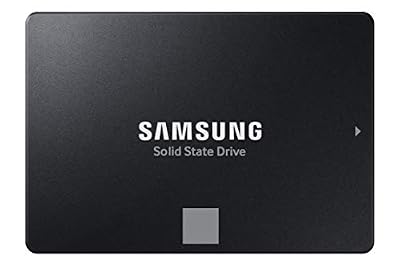
Samsung SSD 870 EVO SATA III 2.5” 1TB, Read Speeds Up to 560MB/s | SATA Internal Solid State Drive, Upgrade PC or Laptop Memory & Storage for IT Pros, Creators, Everyday Users (MZ-77E1T0B/AM)


As an Amazon Associate we earn from qualifying purchases. Product prices and availability are accurate as of the date/time indicated.
The Samsung 870 EVO 1TB is the reliable working-library pick. It is a 2.5-inch SATA III drive with Samsung’s Intelligent TurboWrite to sustain write speeds, and the 870 EVO line has a strong reputation for endurance and dependability. Priced around $486 in this listing, it is positioned as a premium, trustworthy SATA drive for storing the design files you cannot afford to lose.
For graphic design, a dependable SATA SSD like this is the natural home for your working library and frequently accessed assets. SATA tops out slower than NVMe, but it is still far quicker than any hard drive and plenty fast for opening, browsing, and saving project files. Where the 870 EVO earns its place is reliability — Samsung’s V-NAND and TurboWrite give consistent performance and proven longevity, which matters when the drive holds irreplaceable client work. As a solid, trustworthy 1TB working volume, it is an easy recommendation.
Pros: Dependable 1TB SATA with TurboWrite, proven Samsung endurance for important files.
Cons: SATA is slower than NVMe; priced high for 1TB in this listing.
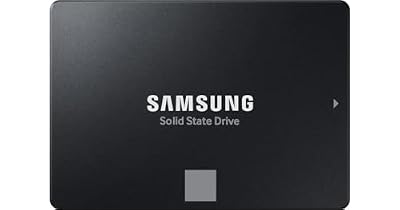
4. Samsung SSD 870 EVO 1TB 2.5″ Internal SSD, Intelligent TurboWrite

Samsung SSD 870 EVO, 1 TB, Form Factor 2.5 and rdquo;, Intelligent Turbo Write, Magician 6 Software, Black (Internal SSD)


As an Amazon Associate we earn from qualifying purchases. Product prices and availability are accurate as of the date/time indicated.
This second Samsung 870 EVO 1TB listing is the fast SATA boot-and-apps pick. It is the same well-regarded 2.5-inch SATA III drive with Intelligent TurboWrite, offered here at around $329 — a more typical price for a premium 1TB SATA SSD. For a designer who wants a dependable, responsive system and application drive, it covers that role superbly.
In a design setup, a drive like this is ideal as the boot volume and home for your creative applications. Booting Windows, launching Photoshop or Illustrator, and loading plug-ins all benefit from SATA SSD speed, and the 870 EVO’s consistency keeps those everyday actions snappy. Pairing it with a larger archive drive for finished work is a classic, cost-effective split: fast, reliable storage for the system and apps, bulk capacity elsewhere for the library. As a trustworthy 1TB SATA drive at a sensible price, this listing is a strong choice.
Pros: Reliable 1TB SATA at a sensible price, great for boot and creative apps, TurboWrite cache.
Cons: SATA speeds trail NVMe; 1TB may be tight as a sole design drive.
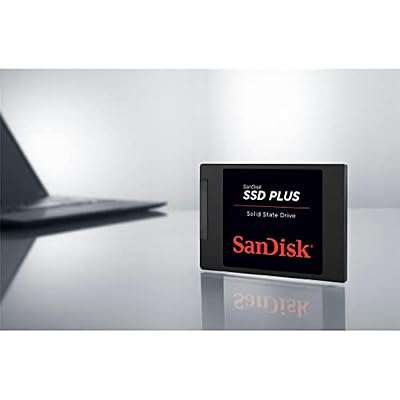
5. SANDISK 2TB SSD Plus 2.5″ SATA Internal SSD, Read up to 545 MB/s

SANDISK 2TB SSD Plus 2.5" SATA SSD, Internal SSD, Read speeds up to 545 MB/s, SATA III 6GB/s, Easy Upgrade


As an Amazon Associate we earn from qualifying purchases. Product prices and availability are accurate as of the date/time indicated.
The SanDisk 2TB SSD Plus is the large affordable archive pick. It is a 2.5-inch SATA drive with read speeds up to 545MB/s and a generous 2TB capacity, priced around $399. For a designer who needs a roomy, dependable place to keep a growing library of projects, RAW files, and exports without paying NVMe prices, it hits a useful balance of capacity and cost.
This is the drive to choose as your bulk creative library. Graphic design archives swell quickly — old projects, source assets, client deliverables — and 2TB of SATA SSD storage gives you plenty of room with the instant access and silent, shock-resistant reliability that a hard drive cannot match. The up-to-545MB/s read speed is ample for browsing thumbnails and pulling older files back into a project, even if it is not as fast as NVMe for an active scratch disk. As affordable, high-capacity SATA storage for a design library, the SSD Plus is a sensible workhorse.
Pros: Large 2TB SATA capacity, up to 545MB/s read, affordable home for a growing library.
Cons: SATA speeds; better as an archive than an active scratch disk.
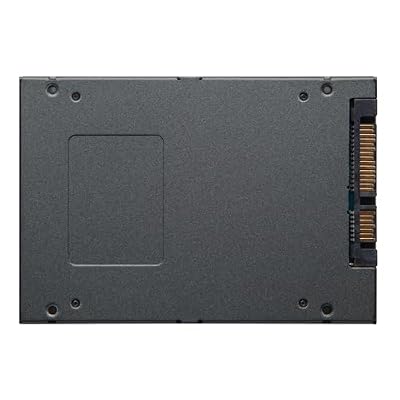
6. Kingston 960GB A400 SATA3 2.5″ Internal SSD – HDD Replacement

Kingston 960GB A400 SATA3 2.5" Internal SSD SA400S37/960G - HDD Replacement for Increase Performance



As an Amazon Associate we earn from qualifying purchases. Product prices and availability are accurate as of the date/time indicated.
Rounding out the list is the Kingston A400 960GB, the budget HDD-replacement pick. It is a 2.5-inch SATA drive sold as a simple, affordable upgrade from a mechanical hard drive, with a near-1TB capacity at around $181. For a designer on a tight budget, or anyone breathing new life into an older machine, it is a cost-effective way to add fast solid-state storage.
This is the drive for the entry-level design setup or a quick, affordable speed boost. Swapping a hard drive for an A400 dramatically cuts file open and save times and makes the whole system feel more responsive, which a designer wrestling with large files will feel immediately. The 960GB capacity holds a respectable working set of projects and applications, and SATA compatibility means it drops into almost any machine. It is not the fastest or largest drive here, but as an affordable upgrade that brings SSD speed to a design workflow, the A400 does its job well.
Pros: Affordable near-1TB SATA, easy drop-in HDD replacement, big responsiveness boost.
Cons: Entry-level SATA drive; modest speed and capacity versus the others.
How to Choose an SSD for Graphic Design
For graphic design, two qualities dominate the choice: capacity and read/write speed. Design files are large — layered PSDs, high-resolution RAW images, vector libraries, and exports — so you want enough room to hold your active projects and a growing archive without constant juggling. At the same time, fast sequential read and write speeds make opening and saving those big files feel near-instant and give applications a responsive scratch disk. Decide how much storage your library realistically needs, then prioritise speed for the drive your active work lives on.
Drive type and connection determine how fast a drive actually is. NVMe M.2 drives like the Samsung 970 EVO Plus are the quickest, ideal as your working volume and application scratch disk where throughput matters most. SATA SSDs like the Samsung 870 EVO and SanDisk SSD Plus are slower than NVMe but far faster than any hard drive, and they are excellent, more affordable homes for a boot drive, applications, and bulk archive storage. Portable USB-C drives like the SanDisk Extreme trade some speed for the freedom to move large projects between machines or back up on location.
A smart design setup often combines drive types rather than relying on one. A fast NVMe drive for your operating system, creative applications, and active project scratch disk pairs naturally with a larger SATA SSD for your working library and archive, plus a portable SSD for transport and backup. This split puts speed where you feel it most and capacity where it is cheapest, and it is how many professional creatives structure their storage. Match each drive in the list to the role it fits rather than expecting a single disk to do everything.
Finally, weigh reliability and budget, because a design drive often holds irreplaceable client work. Established lines like Samsung’s 870 EVO and 970 EVO Plus have strong reputations for endurance and consistent performance, which is worth paying for on the volume that stores your important files. Confirm the drive fits your machine — an M.2 NVMe slot for the 970 EVO Plus, a 2.5-inch SATA bay for the SATA drives, a free USB-C port for the portable — set a budget that covers the capacity you need, and remember to keep a separate backup of work you cannot afford to lose, whatever drive it lives on.
Frequently Asked Questions
How much SSD storage do I need for graphic design?
Enough to hold your active projects comfortably plus room for a growing archive. Design files are large, so 1TB is a sensible minimum for a working drive and 2TB is better if you keep substantial RAW or layered libraries — which is why several drives here are 2TB. Many designers pair a fast 1-2TB working drive with a larger archive drive to balance speed and capacity without overspending.
Do I need NVMe, or is a SATA SSD fast enough for design?
Both work, and the best setup often uses each. An NVMe drive like the Samsung 970 EVO Plus is fastest and ideal as your active working volume and application scratch disk. A SATA SSD like the 870 EVO or SanDisk SSD Plus is slower than NVMe but far quicker than any hard drive — great for a boot drive, apps, and bulk archive storage at a lower cost per gigabyte.
Is a portable SSD good for graphic design work?
Yes, especially if you move between machines or work on location. The SanDisk 2TB Extreme Portable connects over USB-C at up to 1050MB/s, fast enough to edit large files directly off it or transfer whole projects in moments. It is also a convenient off-machine backup for active work. For your primary daily scratch disk, though, an internal NVMe drive is faster.
Will an SSD make graphic design software faster?
It makes file-bound operations dramatically faster — opening and saving large documents, loading RAW libraries, and scratch-disk activity all speed up versus a hard drive, and an SSD makes the whole system feel more responsive. It will not increase raw rendering or filter compute, which depend on your CPU and GPU, but for the large-file handling that defines design work, a fast SSD is one of the most noticeable upgrades you can make.
Related Guides
- Best NVMe SSDs
- Best Portable SSDs
- Best External Hard Drives
- Best Monitors for Content Creation
- Best RAM for Your Build
- Best Workstation PCs
Affiliate Disclosure: As an Amazon Associate, we earn from qualifying purchases. If you click a link and make a purchase, we may earn a small commission at no extra cost to you. Prices and availability are accurate as of publication and may change.