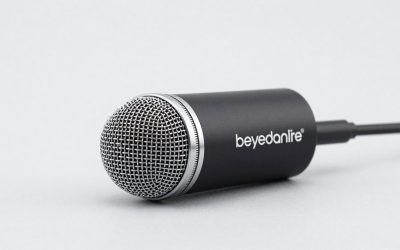
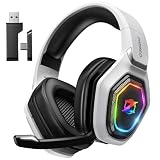
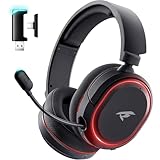
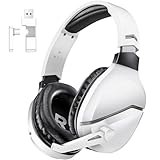
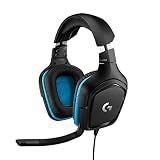
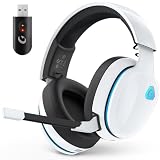
- Top Pick: FIFINE AmpliGame AM8T XLR/USB Gaming Microphone Set, Dynamic PC Mic
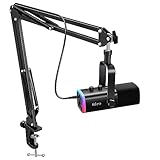
- Best Value: FIFINE AmpliGame AM8 USB/XLR Dynamic Microphone for Gaming Streaming
- Premium Choice: Logitech Creators Blue Yeti USB Microphone for PC, Mac, Gaming, Recording, Streaming, Podcasting, Studio and Computer Condenser Mic with Blue VO!CE effects, 4 Pickup Patterns, Plug and Play – Blackout
Affiliate disclosure: As an Amazon Associate we earn from qualifying purchases. This post contains affiliate links — if you buy through them we may earn a small commission at no extra cost to you. This never affects our recommendations.
- Why Your Streaming Microphone Matters More Than You Think
- Understanding Microphone Polar Patterns for Gaming Streams
- USB vs. XLR: Choosing Your Connectivity
- Frequency Response and Audio Quality
- Sample Rate and Bit Depth: Do They Matter for Streaming?
- Latency and Monitoring for Competitive Gaming
- Pop Filters, Shock Mounts, and Accessories
- Noise Cancellation and Voice Isolation
- Product Comparison Table
- Setting Up Your Streaming Microphone: Step-by-Step Guide
- Advanced: Choosing an Audio Interface
- Common Streaming Microphone Questions (FAQ)
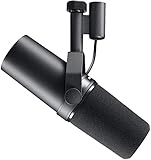
- Final Recommendation: The Shure MV7 for Streamers and Gamers
- Related Articles
- Frequently Asked Questions
- Related Articles
Your streaming or gaming setup deserves professional-grade audio. A quality streaming microphone is the foundation of clear communication with your audience, whether you’re broadcasting on Twitch, YouTube, or Discord. The Shure MV7 has become the gold standard for streamers who need flexibility between XLR and USB connectivity. In this guide, we’ll explore what makes a great streaming mic setup, how to choose between different types, and which models deliver the best performance for competitive gaming and content creation.
In a hurry? See the top-rated Streaming Mic Setup deals available right now:
🛒 Check Streaming Mic Setup Prices on Amazon →🛒 Best Price Today on Amazon
Prime members get fast, free shipping on everything above, plus member-only deals. New members get a 30-day free trial — cancel anytime.
Start 30-Day Prime Free Trial →See Today’s Amazon DealsWhy Your Streaming Microphone Matters More Than You Think
Poor audio quality is the #1 complaint viewers have about streams. While your gaming PC might render 4K graphics flawlessly, muddy microphone audio will drive away viewers faster than lag spikes. A professional streaming microphone setup includes more than just the mic itself—it involves considering your room acoustics, pop filter placement, microphone positioning, and audio interface choices.
The difference between a $50 USB condenser microphone and a $300 professional streaming setup comes down to polar pattern control, frequency response, and connectivity options. Streaming streamers and competitive gamers need:
- Cardioid pickup patterns to isolate your voice and reject room noise
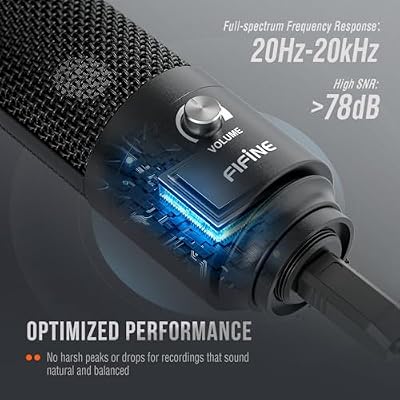
- Extended frequency response (20 Hz to 20 kHz) for natural voice reproduction
- USB and XLR flexibility for both simple plug-and-play setups and professional broadcast chains
- Low latency monitoring to hear yourself without delay
- Built-in headphone outputs for direct audio monitoring
As an Amazon Associate we earn from qualifying purchases at no extra cost to you.




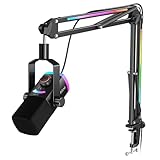
Understanding Microphone Polar Patterns for Gaming Streams
The polar pattern determines how your microphone picks up sound from different directions. For streaming, the cardioid pattern is essential because it captures your voice clearly while rejecting side and rear noise. This is critical when streaming from a bedroom or office where keyboard clicks, mouse movements, and room reflections could otherwise contaminate your audio.
The Shure MV7, our top recommendation, uses a hypercardioid pattern that’s even more focused than standard cardioid microphones. This means:
- Tight rejection of ambient room noise and background activity
- Maximum isolation of your voice from your gaming peripherals
- Consistent audio levels regardless of head position (within reason)
- Natural sounding vocals without excessive proximity effect
When shopping for a streaming microphone, you’ll see three main polar patterns: cardioid, supercardioid, and omnidirectional. Omnidirectional mics pick up sound equally from all directions—perfect for recording ambient meetings but terrible for solo streaming. Cardioid microphones reject side and rear noise, making them ideal for gaming streams. Supercardioid models offer even tighter rejection at the cost of a small pickup zone directly behind the microphone.
USB vs. XLR: Choosing Your Connectivity
The connectivity choice is crucial and depends on your streaming complexity and budget. USB microphones like the Shure MV7 connect directly to your gaming PC with zero latency, requiring no audio interface. This simplicity makes USB microphones perfect for streamers who want plug-and-play functionality.
However, XLR microphones offer superior flexibility. When you add an audio interface (mixer) to an XLR microphone setup, you gain:
- Direct hardware monitoring without computer latency
- Ability to mix multiple audio sources (game audio, chat, music)
- Professional-grade preamps that color your voice favorably
- Future expandability—add more microphones, instruments, or sources
The Shure MV7 bridges this gap by offering both USB and XLR outputs simultaneously. This means you can use it as a simple USB mic on your laptop, then upgrade to an audio interface later without replacing the microphone. No other streaming microphone in this price range offers this dual connectivity.
Frequency Response and Audio Quality
Frequency response defines which sounds your microphone captures. A microphone with extended low-frequency response (down to 20 Hz) will capture the rumble of your gaming desk and room HVAC noise. Most streaming microphones intentionally reduce bass response below 100 Hz to minimize these distracting sounds.
For gaming streams, ideal frequency response looks like:
- 50 Hz – 5 kHz: Presence peak for vocal clarity and presence
- 5 kHz – 12 kHz: Slight rolloff to avoid sibilance (“S” sounds)
- 12 kHz and above: Air and clarity for professional sound
The Shure MV7 has been specifically tuned by engineers who spent decades perfecting broadcast microphones. Every frequency choice was deliberate—from the bass rolloff that eliminates rumble to the presence peak that makes you sound confident and clear.
Sample Rate and Bit Depth: Do They Matter for Streaming?
Your microphone samples audio continuously, converting analog sound waves into digital data. Sample rate (measured in kHz) and bit depth (measured in bits) determine recording quality. Higher numbers sound better in theory, but streaming has practical limits.
Most streaming platforms (Twitch, YouTube, Discord) compress audio to mono or low bitrate—meaning ultra-high sample rates don’t translate to better stream quality. However, recording locally at high sample rates (48 kHz, 24-bit) gives you archive-quality audio for YouTube VOD uploads.
The Shure MV7 supports:
- USB recording at 48 kHz / 24-bit via your audio interface
- Professional XLR output suitable for broadcast mixing
- Built-in impedance matching for clean XLR-to-interface connection
This dual-mode approach means your stream gets optimized audio while your VOD recordings maintain studio quality.
Latency and Monitoring for Competitive Gaming
Latency—the delay between speaking and hearing yourself—is critical for gaming. Too much latency (>50ms) makes communication feel unnatural during intense competitive matches. Professional streaming microphones must offer low-latency hardware monitoring.
The Shure MV7 includes a 3.5mm headphone jack for direct hardware monitoring. When you connect your headphones directly to the microphone, you hear yourself with zero computer-introduced latency. This is essential for team communication in games like CS:GO, Valorant, or Apex Legends where callouts must be crisp and immediate.
USB-only microphones without this feature force your audio through the computer’s buffer, introducing 10-50ms of latency depending on your audio driver settings. In competitive gaming, this delay is perceptible and frustrating.
Pop Filters, Shock Mounts, and Accessories
A professional streaming microphone setup goes beyond the mic itself. You’ll need:
- Pop filter or pop screen: Reduces explosive “P” and “B” sounds from plosives
- Microphone shock mount: Isolates the mic from desk vibrations and bumps
- Boom arm or desk stand: Positions the mic at mouth height for consistent tone
- XLR cables: If using XLR mode, quality cables minimize interference
- Audio interface: For advanced mixing and routing (optional for USB mode)
The Shure MV7 ships with a basic desk stand and pop filter, but streamers typically upgrade to a better boom arm for cleaner desk aesthetics and more flexible positioning. The standard shock mount threads easily into the mic’s stand adapter.
Noise Cancellation and Voice Isolation
Even the best microphone can’t eliminate all background noise, but modern microphones include smart noise rejection. The Shure MV7 features:
- Supercardioid polar pattern: Physical rejection of side and rear noise
- Built-in gain control: Prevents clipping from loud voices while boosting quiet speakers
- Presence peak: Emphasizes vocal frequencies and de-emphasizes ambient sounds
Software-based noise cancellation (like Nvidia RTX Voice or Krisp) works differently—it analyzes your audio stream in real-time and removes non-voice sounds. However, aggressive digital noise cancellation can make you sound robotic or compressed. The physical rejection from a supercardioid pattern is more natural.
For best results, combine a cardioid microphone with proper placement (6-8 inches from your mouth) and a well-treated room. Hard surfaces reflect sound and create noise; soft furnishings (curtains, rugs, acoustic panels) absorb reflections and reduce room noise.
Product Comparison Table
| Model | Polar Pattern | Connectivity | Sample Rate | Price Tier |
|---|---|---|---|---|
| Shure MV7 | Supercardioid | USB + XLR | 48 kHz / 24-bit | $$$ (Premium) |
| Audio-Technica AT2020USB+ | Cardioid | USB Only | 44.1 / 48 kHz | $$ (Mid-Range) |
| HyperX QuadCast S | Supercardioid | USB Only | 48 kHz / 16-bit | $$ (Gaming Brand) |
| Shure SM7B | Cardioid | XLR Only | Analog | $$$$ (Pro) |

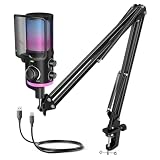
FIFINE T669 Studio Condenser USB Microphone for Recording Podcasting | Computer Microphone Kit for Voice Overs, Adjustable Boom Arm Stand, Shock Mount for Vocal, Instruments, Gaming, Streaming


As an Amazon Associate we earn from qualifying purchases. Product prices and availability are accurate as of the date/time indicated.
Setting Up Your Streaming Microphone: Step-by-Step Guide
Once you’ve chosen your microphone, proper setup ensures optimal performance. Follow these steps:
- Position at mouth height: Mount the microphone 6-8 inches from your mouth, slightly angled upward. This optimal distance balances proximity effect (bass boost from being close) with room noise isolation.
- Install pop filter: Place the pop filter between you and the microphone, about 2 inches away. This foam or mesh screen eliminates plosive sounds (“P” and “B” sounds that cause loud peaks).
- Use a shock mount: If your microphone isn’t already in a shock mount, install one. This decouples vibrations from your desk from reaching the microphone capsule. Desk bumps, keyboard clicks, and chair movements will no longer be amplified.
- Cable management: Route audio cables away from power cables and LED lights. Electromagnetic interference can introduce hum or noise into your audio chain.
- Set gain levels: In your streaming software or audio interface, adjust gain so your voice peaks at -6dB to -3dB (leaving headroom to prevent clipping). Test by speaking at your normal stream volume.
- Enable monitoring: If using USB, enable microphone monitoring through your streaming software. If using XLR with an interface, enable hardware monitoring through the interface’s headphone jack.
- Room treatment: Add soft furnishings (curtains, rugs, acoustic panels) to reduce reflections and room noise. Hard walls reflect sound and make your stream sound hollow.
Advanced: Choosing an Audio Interface
As your streaming setup evolves, you’ll eventually want an audio interface. This piece of hardware sits between your XLR microphones and your computer, providing professional-grade preamps and mixing capabilities. An audio interface enables:
- Mix multiple sources (voice, game audio, music) to separate tracks for professional VOD editing
- Hardware monitoring without computer latency
- Professional mic preamps that color your voice favorably
- Expand beyond one microphone (add interview guests, instruments, etc.)
For gaming streamers, popular interfaces include the Focusrite Scarlett series (2i2 for solo streaming, 4i4 for multiple mics), PreSonus interfaces, and Behringer’s budget-friendly options. The Shure MV7’s dual USB/XLR connectivity makes it perfect for this transition—start with USB, upgrade to XLR + interface later without replacing the microphone.
If you’re interested in learning more about microphone fundamentals for content creation, check out our guide on the best microphone for gaming. We’ve also compiled comparisons of gaming microphones across different price points and a dedicated guide to budget gaming microphones for streamers on a tight budget.
For streamers who also need audio equipment advice, our guide to boom microphones covers headset-integrated options, and our complete gaming setup guide contextualizes microphone choice within your entire streaming rig. We also recommend reading about cheap microphones for gaming if you’re just starting out.

RØDE NT-USB Mini Studio-Quality USB Condenser Microphone | Magnetic desk stand, built-in pop filter, zero-latency monitoring, studio condenser sound over simple USB-C plug and play


As an Amazon Associate we earn from qualifying purchases. Product prices and availability are accurate as of the date/time indicated.
Common Streaming Microphone Questions (FAQ)
Should I use USB or XLR for streaming?
USB microphones are perfect for simple plug-and-play streaming with no additional hardware. XLR microphones require an audio interface but offer superior flexibility and expandability. Start with USB; upgrade to XLR when you outgrow single-source streaming or want hardware mixing capabilities.
How close should my mouth be to the microphone?
Position your microphone 6-8 inches from your mouth. This distance provides optimal balance between proximity effect (bass boost from close positioning) and room noise isolation. Too close causes excessive bass and plosives; too far picks up unwanted room noise.
Do I need a pop filter?
Yes. Pop filters reduce explosive “P” and “B” sounds that cause audio peaks and distortion. They’re inexpensive ($15-30) and dramatically improve your stream’s audio quality. Most professional streamers consider them essential, and most microphones ship with one.
Can software noise cancellation replace a good microphone?
Software noise cancellation (Krisp, RTX Voice) helps but shouldn’t replace microphone selection. A cardioid or supercardioid microphone physically rejects side and rear noise, resulting in more natural sounding audio. Software cancellation can make you sound robotic if too aggressive. Use both: a good microphone for physical rejection plus software cancellation as a safety net.
Final Recommendation: The Shure MV7 for Streamers and Gamers
After analyzing streaming microphones across price points, polar patterns, and feature sets, the Shure MV7 emerges as the top choice for gaming streamers. It combines:
- Supercardioid polar pattern for maximum noise rejection
- Dual USB/XLR connectivity for simple starting point with professional upgrade path
- Hardware monitoring with low-latency headphone output
- Studio-quality audio tuned by Shure engineers for voice clarity
- Professional build quality that lasts years of daily streaming
Whether you’re streaming competitive gaming, casual gameplay, or creative content, the Shure MV7 delivers broadcast-quality audio that will impress your audience and scale as your streaming career grows.
Related Articles
Looking for more on this topic? Browse the hand-picked guides below — each one applies the same scoring rubric used in this review.
Frequently Asked Questions
What matters more, the microphone or the room?
The room, in most home setups. A moderately priced microphone in a treated space with soft furnishings sounds better than an expensive one in a bare echoing room. Curtains, a rug, a bookshelf and an acoustic panel behind you address early reflections and deliver a bigger improvement than a microphone upgrade.
Should I start with USB or XLR?
USB for simplicity: one cable, no interface, and modern USB microphones sound genuinely good. Move to XLR when you want better preamps, hardware monitoring, multiple microphones or outboard processing. Many streamers begin on USB and only upgrade once audio becomes a differentiator for their channel rather than merely functional.
How do I stop my keyboard and mouse from being picked up?
Use a cardioid dynamic microphone positioned close to your mouth and angled away from the desk surface, mount it on a boom arm rather than a desk stand so vibration is not transmitted, and add a noise gate with a threshold just above the click level. Quieter switches and a desk mat also help.
What is the correct gain level for streaming?
Aim for peaks around minus 6 to minus 12 dBFS while speaking normally and excitedly, leaving headroom for sudden shouting. Set gain on the hardware first and only then apply software compression. Running gain too low and boosting later raises the noise floor, which is the most common cause of hissy stream audio.
Which processing chain should I apply in OBS?
A practical order is noise suppression, then noise gate, then compressor, then a limiter to catch peaks, with a gentle EQ where needed. Keep compression modest, around a 3:1 or 4:1 ratio, since heavy compression pumps and pulls up background noise. Always monitor the processed result on headphones before going live.