

- Top Pick: NBPOWER 1080P 60FPS Streaming Camera Webcam with Microphone and Fill RGB Light,Autofocus,Work with Laptop/Desktop Computer/Winsdows/Mac OS/PC Computer for Camera
- Best Value: EMEET S600 4K Webcam for Streaming, Sony 1/2.55'' Sensor, PDAF Autofocus
- Premium Choice: Logitech C920S HD Pro Webcam Full 1080p/30fps Video Calling Clear Stereo
Affiliate disclosure: As an Amazon Associate we earn from qualifying purchases. This post contains affiliate links — if you buy through them we may earn a small commission at no extra cost to you. This never affects our recommendations.
A great webcam is the face of your stream. Whether you’re going live on Twitch, hosting a Discord call with your squad, or building a YouTube channel, image quality matters more than ever in 2025. Viewers have been spoiled by sharp, well-lit video — a blurry, washed-out picture will send them clicking away. The good news is that excellent webcams are available at every price point, from budget 1080p options under $50 to pro-grade 4K cameras that rival entry-level DSLRs.
This guide covers the full spectrum. We break down the best webcams by resolution tier, explain what specs actually matter (and which are marketing fluff), and help you pair your camera with the right audio gear for a complete streaming setup. Whether you’re a first-time streamer or upgrading an aging camera, you’ll find your ideal pick below.
In a hurry? See the top-rated Gaming Webcams deals available right now:
🛒 Check Gaming Webcams Prices on Amazon →🛒 Best Price Today on Amazon
Prime members get fast, free shipping on everything above, plus member-only deals. New members get a 30-day free trial — cancel anytime.
Start 30-Day Prime Free Trial →See Today’s Amazon DealsTop Picks at a Glance
| Webcam Tier | Best For | Resolution | Price Range |
|---|---|---|---|
| Budget 1080p | Beginners, Discord calls | 1080p/30fps | $40–$70 |
| Mid 1080p/60 | Streamers, content creators | 1080p/60fps | $70–$130 |
| 4K | YouTubers, professional creators | 4K/30fps | $130–$200 |
| Wide-angle | Desk setups, multiple people | 1080p | $60–$100 |
| Auto-focus Pro | Moving presenters, tutorials | 1080p–4K | $100–$180 |
As an Amazon Associate we earn from qualifying purchases at no extra cost to you.
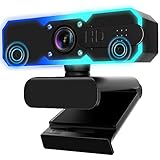

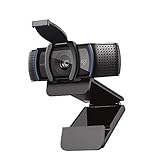
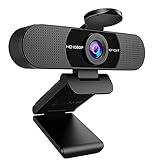


Budget 1080p Webcam Tier — Best for Beginners
For streamers just getting started, a solid 1080p/30fps webcam is all you need. The image quality leap over built-in laptop cameras is dramatic, and most streaming platforms — including Twitch at standard bitrates — won’t display more than 1080p anyway. Look for a model with autofocus, a wide field of view around 78 degrees, and a built-in microphone as a backup. USB plug-and-play compatibility means zero driver headaches. This tier costs $40–$70 and represents the best entry point for new streamers who want to look professional without breaking the bank.
- Pros: Affordable, plug-and-play, widely compatible, good for Discord and Zoom
- Cons: 30fps cap looks less smooth in fast-motion scenes, limited low-light performance
Mid-Range 1080p/60fps Webcam Tier — Best for Active Streamers
The jump to 60fps makes a visible difference during gameplay reaction clips and energetic streaming sessions. Mid-range webcams in this tier also tend to feature larger image sensors, better low-light performance, and improved autofocus tracking. Many include glass lenses rather than plastic, producing sharper edges and more accurate colors. This $70–$130 tier is the sweet spot for dedicated streamers who go live multiple times per week. Pair with proper ring lighting and a decent USB microphone, and your setup will look genuinely professional.
- Pros: Smooth 60fps footage, better sensor size, improved low-light, glass optics
- Cons: Costs more, benefits require adequate lighting to fully show
4K Webcam Tier — Best for YouTube and Professional Content
4K webcams capture four times the pixel count of 1080p, giving you incredible flexibility in post-production — you can crop, reframe, or punch in without losing quality. For YouTube content creators who publish edited videos rather than live streams, 4K is worth the investment. Top 4K webcams also feature high dynamic range (HDR), ultra-sharp autofocus, and premium glass that rivals entry-level mirrorless cameras. Expect to spend $130–$200. These cameras also produce stunning 1080p output when downsampled, so they’re excellent for streaming too.
- Pros: Future-proof resolution, post-production flexibility, stunning image quality, HDR support
- Cons: Overkill for live streaming only, requires good lighting and fast CPU for 4K encoding
Wide-Angle Webcam Tier — Best for Desk and Room Setups
Wide-angle webcams with 90-degree or greater fields of view are ideal for showing off your entire gaming setup, capturing multiple people in frame, or fitting into tight desk mounts. They’re popular for “just chatting” streams and panel discussions. The wider view can introduce some barrel distortion at the edges, so check for models with built-in digital correction. This tier spans $60–$100 and offers unique value that standard webcams can’t replicate.
- Pros: Captures full setup or multiple people, great for “just chatting,” unique visual style
- Cons: Edge distortion on cheaper models, less flattering for close-up face shots
Pro Auto-Focus Webcam Tier — Best for Presenters and Tutorial Creators
If you move around during streams or tutorials — demonstrating products, pointing at whiteboards, or doing full-body reveals — a webcam with fast, accurate eye-tracking autofocus is essential. This tier uses advanced AI-powered face detection to keep you sharp even during fast movement. Resolution ranges from 1080p to 4K, and most models include background blur software. Budget $100–$180 for this tier, and pair it with strong front lighting for optimal results.

- Pros: Fast AI autofocus tracks movement, background blur, ideal for presenters
- Cons: AI processing can occasionally mistrack, higher price point
Buying Guide
Choosing the right gaming webcam comes down to four core specs: resolution, frame rate, sensor size, and field of view. Here’s what each one means for your stream.
Resolution: 1080p is the standard for streaming in 2025. Most platforms — Twitch, YouTube Live, Kick — cap free accounts at 1080p output. If you stream at standard bitrates, your viewers will never see the difference between 1080p and 4K from your webcam. However, if you edit videos for YouTube where 4K is supported, a 4K webcam pays dividends in sharpness and crop flexibility.
Frame Rate: 30fps is acceptable; 60fps is noticeably smoother. If you’re an expressive streamer who moves around, laughs a lot, or reacts dramatically, 60fps webcam footage will look more natural and polished. It’s especially noticeable in side-by-side comparisons. If you’re mostly stationary, 30fps is fine and saves encoding overhead.
Sensor Size and Low-Light: Larger sensors collect more light. Webcams with bigger sensors handle dimly lit rooms better, producing less noise and more natural colors. This is where budget webcams fall short — they struggle in rooms without dedicated lighting. If you won’t invest in a ring light or key light, spend more on a webcam with a capable sensor.
Field of View: Standard webcams sit around 78 degrees, which frames your face and shoulders nicely. Wide-angle webcams reach 90–120 degrees, showing more of your background and setup. The right FOV depends on how you frame your stream layout — a tight face cam needs narrower FOV; a full setup shot needs wide.

Autofocus vs. Fixed Focus: Fixed-focus webcams are optimized for a specific distance — usually 50–70cm from the lens. If you sit consistently at that distance, they’re sharp and don’t hunt. Autofocus webcams track your position but occasionally hunt or blur during fast movement. Modern AI autofocus has improved dramatically and is generally preferred for dynamic streamers.
Microphone: Built-in webcam microphones are convenience features, not primary audio solutions. Use a dedicated USB condenser or XLR microphone for streaming. That said, having a built-in mic as a fallback is useful during travel or casual Discord sessions.
Complete Your Streaming Setup — Audio Picks: Great video needs great audio. The HyperX Cloud II (around $59) delivers clear, immersive sound for gaming sessions and doubles as a communication headset for Discord calls while you stream. For wireless freedom, the Logitech G733 Lightspeed (around $120) provides lag-free 2.4GHz audio with a 29-hour battery. Budget-conscious streamers love the Razer BlackShark V2 X (around $34) — wired simplicity at a low price with excellent mic clarity. The SteelSeries Arctis Nova Pro Wireless (around $280) is the premium choice, featuring active noise cancellation, hi-fi audio, and a dual-wireless system. Rounding out the range, the SteelSeries Arctis Nova 1 (around $59) offers a no-frills, all-platform wired option with a superb mic.
What frame rate do I need for streaming?
For most streamers, 30fps from your webcam is sufficient since the game footage running at 60fps dominates the screen. However, if you’re doing a face-only stream or reaction content, 60fps webcam footage looks noticeably more natural and fluid. Check your streaming software (OBS, Streamlabs) supports 60fps webcam capture before purchasing.
Do I need 4K for Twitch streaming?
Not for Twitch specifically. The platform caps most streamers at 1080p output, so a 4K webcam won’t make your Twitch stream look sharper than a 1080p one. However, 4K is valuable if you create YouTube videos, since YouTube supports 4K uploads and the extra resolution lets you crop and reframe in editing without quality loss.

Should I use a webcam or a capture card with a DSLR?
For most streamers, a quality webcam ($70–$200) beats the complexity and cost of a DSLR + capture card setup. The DSLR route requires a mirrorless or DSLR camera, a capture card ($150+), and proper lens/lighting setup — total cost often exceeds $600. Unless you already own a camera, a premium webcam like the Logitech Brio delivers 90% of the image quality at a fraction of the cost and zero setup complexity.
How important is lighting compared to webcam quality?
Lighting is arguably more important than webcam quality. A $40 webcam in a well-lit room with a quality ring light or softbox will look significantly better than a $200 4K webcam in a dark room. Before upgrading your camera, invest in a basic ring light ($25–$50) — the improvement is immediately visible and dramatic.
Verdict
In 2025, the best gaming webcam depends entirely on your use case. Beginners and Discord users should start with a budget 1080p model and solid lighting. Regular Twitch streamers who go live multiple times per week will see real benefits from a 1080p/60fps mid-range webcam. YouTube creators and professionals building polished content should invest in 4K. Whatever tier you choose, pair your camera with proper lighting and a dedicated microphone — those two upgrades will improve your stream quality more than any camera alone.
Frequently Asked Questions
Is 1080p or 4K better for a streaming webcam?
1080p60 is the practical sweet spot for most streamers, looking sharp while keeping CPU and upload demands reasonable. 4K is worth it only if you crop heavily or want maximum detail and have the bandwidth.
What frame rate do I need for a gaming webcam?
Aim for 60fps. It keeps your face cam smooth and natural during animated reactions, which matters for streaming. 30fps webcams look choppy next to high-refresh gameplay footage.
Do I need a webcam if I have a DSLR?
A dedicated webcam is simpler, with plug-and-play USB, autofocus, and built-in exposure. DSLRs offer better image quality but need a capture card, lenses, and more setup. Most streamers do fine with a good webcam.
Why does low-light performance matter for a webcam?
Gaming rooms are often dimly lit, and cheap webcams produce grainy, washed-out footage. Look for a larger sensor and good low-light processing, or add a key light to keep your face cam crisp.
Related Articles
Looking for more on this topic? Browse the hand-picked guides below — each one applies the same scoring rubric used in this review.






