Affiliate disclosure: As an Amazon Associate we earn from qualifying purchases. This post contains affiliate links — if you buy through them we may earn a small commission at no extra cost to you. This never affects our recommendations.
- Quick Comparison: Top 5 Budget Wired Gaming Mice
- 1. Logitech G203 LIGHTSYNC — The Safe, Proven All-Rounder
- 2. Razer DeathAdder Essential — The Ergonomic Comfort King
- 3. SteelSeries Rival 3 — Ultralight Spirit in a Budget Shell
- 4. Cooler Master MM712 — Ultralight Performance, Budget Price
- 5. Endgame Gear XM1r — The Enthusiast’s Budget Pick
- How to Choose the Best Budget Wired Gaming Mouse
- Final Verdict
- Related Articles
- Frequently Asked Questions
- Related Articles
As an Amazon Associate we earn from qualifying purchases at no extra cost to you.



![Redragon M602 Gaming Mouse, Ergonomic RGB Gaming Mouse Wired with 7200 Adjustable DPI, 9 Programmable Buttons, Professional Software for Gamer Office [Black]](https://m.media-amazon.com/images/I/4189L2UBl9L._SL160_.jpg)


The budget gaming mouse market has quietly become one of the best deals in PC gaming. Just a few years ago, spending under $30 meant making real compromises — wobbly sensors, mushy clicks, and cables that felt like dragging a garden hose across your desk. That story has changed dramatically. Manufacturers have pushed optical sensor technology down the price curve so aggressively that several mice in the sub-$30 bracket now feature the same class of precise, zero-acceleration sensors found in $60–$80 mid-range offerings from 2022.
What you’re actually trading at this price is usually build quality in the long run, software depth, and sometimes shape variety. The clicks won’t feel as crisp as Huano optical switches, the scroll wheel might have a little more wobble, and the cable may not be paracord-braided. But for competitive play, daily grinding, and anyone who just needs a reliable, low-latency pointer that won’t drag your aim down? The options below are genuinely excellent.
This guide cuts through the noise. We evaluated five mice that consistently deliver outsized performance per dollar — looking at real-world feel, sensor accuracy, cable drag, build durability, and how well each fits different hand sizes and grip styles. Whether you’re a claw-grip FPS shooter or a palm-grip RPG player logging long sessions, there’s a right pick here for you.
In a hurry? See the top-rated Budget Wired Gaming Mouse Under $30 deals available right now:
🛒 Check Budget Wired Gaming Mouse Under $30 Prices on Amazon →🛒 Best Price Today on Amazon
Prime members get fast, free shipping on everything above, plus member-only deals. New members get a 30-day free trial — cancel anytime.
Start 30-Day Prime Free Trial →See Today’s Amazon DealsQuick Comparison: Top 5 Budget Wired Gaming Mice
| Mouse | Sensor | DPI Range | Weight | Cable | Approx. Price |
|---|---|---|---|---|---|
| Logitech G203 LIGHTSYNC | Logitech Mercury (custom optical) | 200–8,000 | 85g | Braided | ~$24 |
| Razer DeathAdder Essential | Razer 6400 DPI optical | 200–6,400 | 96g | Rubber | ~$25 |
| SteelSeries Rival 3 | TrueMove Core optical | 100–8,500 | 77g | Rubber | ~$22 |
| Cooler Master MM712 | PixArt PAW3370 | 100–19,000 | 49g (wired) | Paracord | ~$28 |
| Endgame Gear XM1r | PixArt PAW3370 | 50–19,000 | 70g | Paracord | ~$29 |
1. Logitech G203 LIGHTSYNC — The Safe, Proven All-Rounder
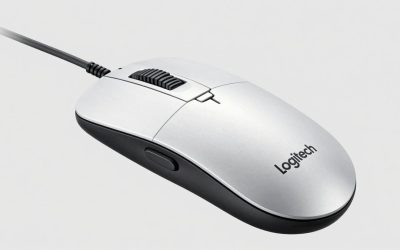
If you want a no-drama, plug-and-play experience that just works, the Logitech G203 is the easiest recommendation in the sub-$30 bracket. Logitech’s Mercury optical sensor is a proprietary unit, but don’t let that scare you — it tracks cleanly, handles speeds up to 400 IPS without issue, and exhibits none of the positive or negative acceleration that plagued older budget sensors. For the vast majority of gamers, it will feel indistinguishable from higher-end sensors in actual play.
The G203 uses a classic symmetrical shell that sits comfortably in medium to large hands, particularly for palm and relaxed claw grips. At 85 grams it’s not ultralight, but it’s balanced well and never feels heavy during extended sessions. The braided cable — a rarity at this price — reduces drag noticeably versus rubber cables, and the Omron mechanical switches underneath the main buttons have a satisfying, crisp actuation. Build quality feels solid; this isn’t a mouse that creaks or develops side-button wobble after six months.
The primary downside is software dependency for storing DPI settings below five stages — without Logitech G HUB running, you get the defaults. The lighting is also very basic, limited to a single RGB zone across the scroll wheel and logo. But for competitive players who have already turned off RGB to squeeze marginal performance gains, that’s irrelevant.
Pros: Proven sensor, braided cable, comfortable classic shape, durable Omron clicks, excellent value
Cons: No onboard memory for profiles, basic single-zone RGB, heavier than ultralight alternatives
Best for: Palm/claw grip players with medium-large hands; first gaming mouse buyers; anyone who wants zero-fuss reliability
2. Razer DeathAdder Essential — The Ergonomic Comfort King
The DeathAdder lineage is one of the most recognizable in gaming peripherals, and the Essential brings that legacy down to the budget tier without gutting what matters most: the shape. The right-handed ergonomic shell with its pronounced thumb shelf and natural wrist angle remains one of the best out-of-box fits for right-handed palm grip players, especially those with medium to large hands. If you’ve ever used a DeathAdder and liked how it felt, the Essential is that experience at a fraction of the flagship price.
The 6,400 DPI optical sensor is Razer’s own implementation and while it doesn’t match the tracking ceiling of PixArt flagship units, it is clean and consistent in the 400–1600 DPI range where most competitive players actually operate. Clicks use Razer’s mechanical switches rated at 10 million actuations — they feel slightly springier than Omron equivalents but remain tactile and responsive. At 96 grams it’s the heaviest mouse on this list, which is a genuine consideration if you’re coming from an ultralight, but many players actively prefer a bit of heft for control during slow, deliberate tracking.

The rubber cable is the weakest link here — it adds noticeable drag and benefits from a bungee if you’re playing on a large mousepad with fast, sweeping movements. Razer Synapse software is optional for basic use; DPI stages are accessible via the DPI button without it.
Pros: Best ergonomic shape in the sub-$30 bracket, reliable sensor, comfortable for long sessions, trusted brand
Cons: Rubber cable with significant drag, heaviest on the list, no ambidextrous option
Best for: Right-handed palm grip players; gamers who prioritize comfort over weight; MMO and RPG players with long sessions
3. SteelSeries Rival 3 — Ultralight Spirit in a Budget Shell
The Rival 3 holds a special place in the budget category because SteelSeries shipped it with the TrueMove Core sensor — a PixArt PAW3327 derivative co-developed with SteelSeries that punches well above what you’d expect at $22. True one-to-one tracking, no hardware acceleration, and 8,500 DPI ceiling means this sensor is actually competitive with mice costing twice as much. Paired with the lightest weight on this list at 77 grams and a compact symmetrical shell, the Rival 3 is a legitimately fast, precise tool.
The shape is compact and suits small to medium hands best, with a slightly raised hump that works well for claw grip and fingertip players. The three side buttons — two thumb buttons plus a DPI cycle button — all click positively, and the main Omron switches have a satisfying snap. There’s a basic RGB underglow and scroll wheel zone that adds a bit of personality without being overdone.
Where the Rival 3 shows its budget origins is in the rubber cable, which has moderate stiffness, and in the build plastics — the shell feels slightly hollow compared to the G203 or DeathAdder Essential. The scroll wheel also has minor lateral wobble that may bother detail-oriented users. None of these are dealbreakers, but they are worth noting if tactile build quality matters to you.
Pros: Excellent TrueMove Core sensor, lightest on the list, compact and fast, great DPI range, low price
Cons: Compact shell limits large-hand comfort, rubber cable, slightly hollow feel
Best for: Small-to-medium hand players; claw and fingertip grip styles; FPS players who prioritize sensor accuracy per dollar

4. Cooler Master MM712 — Ultralight Performance, Budget Price
The MM712 is the most technically impressive mouse on this list — and the one that feels least like a budget product in hand. At just 49 grams in wired mode, it uses a subtle honeycomb cutout pattern on the interior shell (visible only from below through the bottom vents) that sheds weight without compromising structural integrity. This is the mouse that legitimately makes you wonder why anyone pays $80 for an ultralight when $28 gets you here.
The sensor is the PixArt PAW3370 — the same flagship-grade unit found in mice like the Razer Viper Mini and Finalmouse Air58. It tracks flawlessly at high speeds, has zero smoothing or prediction, and a 19,000 DPI ceiling that’s effectively irrelevant for gaming but signals the quality tier you’re dealing with. The included paracord cable is genuinely flexible and low-drag — in daily use it behaves closer to a wireless mouse than a wired one. Omron switches deliver crisp, consistent clicks.
The MM712’s shell is an ambidextrous design with medium ergonomics — it fits small-to-medium hands best and rewards claw or aggressive palm grips. The shape is slightly conservative compared to ultra-aggressive competitive cuts, but it’s comfortable. The Cooler Master MasterPlus+ software works without issues, and four DPI stages are accessible without any software via the DPI button.
Pros: Flagship PixArt PAW3370 sensor, paracord cable, 49g ultralight feel, ambidextrous, excellent price-to-performance
Cons: Shell suits smaller hands best, honeycomb vents collect dust over time, software feels dated
Best for: FPS and MOBA players; anyone wanting an ultralight experience without the ultralight price tag; small-to-medium hands
5. Endgame Gear XM1r — The Enthusiast’s Budget Pick
The XM1r occupies a unique position: it’s a mouse designed by a small German peripheral brand that took direct community feedback and built a shape specifically optimized for competitive FPS play. The result is a right-handed ergonomic shell with a low, flat profile that suits fingertip and claw grip players almost perfectly. Where the DeathAdder Essential leans into comfort for palm grippers, the XM1r is purpose-built for the style of play where precise flicks and rapid repositioning matter most.
It ships with the PixArt PAW3370 — same sensor as the MM712 — alongside Kailh GM 8.0 optical switches that actuate via a light beam rather than a physical connection. This eliminates debounce delay entirely and gives the clicks a slightly different feel: faster and lighter than traditional Omron mechanical, which competitive players tend to either love or need a short adjustment period for. The paracord cable is excellent, nearly weightless in use.
At approximately $29 it sits at the ceiling of this budget bracket, and the trade-off is a shape that won’t suit everyone. Large-hand palm grippers may find the low-profile shell uncomfortable over long sessions. But for its intended audience — competitive players with medium hands and a claw or fingertip preference — it’s arguably the best mouse on this entire list regardless of price tier.
Pros: Purpose-built competitive shape, PAW3370 sensor, optical switches with zero debounce, excellent paracord cable
Cons: Right-handed only, low profile may not suit palm grippers, niche brand means fewer local retailers

Best for: Competitive FPS/CS2/Valorant players; claw and fingertip grip; medium-hand players who prioritize precision above all else
How to Choose the Best Budget Wired Gaming Mouse
Sensor Quality at Low Price Points
Sensor quality is no longer a meaningful differentiator between budget and mid-range mice in 2026. The PixArt PAW3370 (MM712, XM1r), SteelSeries TrueMove Core (Rival 3), and Logitech Mercury (G203) all offer genuine one-to-one tracking with no hardware acceleration or smoothing. Avoid mice from no-name brands advertising “16,000 DPI” for $8 — high DPI numbers on unknown sensors mask interpolation and jitter problems that actively hurt your aim. The brands on this list have published sensor specs you can verify.
Shape and Grip Style
Shape is the most personal element of any mouse purchase and the hardest to evaluate from a spec sheet. As a rule of thumb: ergonomic right-handed shells (DeathAdder Essential, XM1r) suit players who keep their hand naturally resting on the mouse with the thumb on the near side. Symmetrical shells (G203, Rival 3, MM712) suit ambidextrous players and those who prefer consistent geometry. Test the shape with your dominant grip — palm, claw, or fingertip — and match the mouse height (higher hump = palm, lower/flatter = fingertip) accordingly.
Weight
Lighter is faster for flicks and repositioning; heavier provides more resistance for slow, controlled tracking. Most competitive FPS players have migrated toward 70g and below, which is why the MM712’s 49g and XM1r’s 70g stand out. If you play slower-paced games — strategy, MMO, simulation — the extra grams of the DeathAdder Essential or G203 are completely irrelevant.
Cable Quality and Flexibility
A stiff rubber cable creates drag that can disrupt your aim during fast movements. The paracord cables on the MM712 and XM1r are a genuine functional upgrade over rubber cables, not just a cosmetic one — they’re significantly lighter and more flexible. If you’re using a rubber-cabled mouse (DeathAdder Essential, Rival 3), a $5–8 mouse bungee eliminates most cable drag and is worth considering.
Software and DPI Settings
All five mice on this list can be used plug-and-play without installing any software — DPI adjustments are accessible via the onboard button. Software adds value for remapping buttons, creating profiles, or fine-tuning polling rates, but it’s not required. If you’re on a locked-down work PC or simply dislike background software, every mouse here works without it.
Final Verdict
For most players looking for the best budget wired gaming mouse, the Logitech G203 is the pick to beat. Its braided cable, reliable sensor, durable Omron switches, and universally comfortable shape make it a zero-risk purchase for any grip style on any hand size. You’re not getting the absolute best sensor or the lightest shell, but you’re getting something that will perform reliably for years without surprises.
If weight is a priority and you have small-to-medium hands, the Cooler Master MM712 is a genuinely shocking value proposition — a 49g ultralight with a flagship PixArt sensor and paracord cable for $28 is a deal that shouldn’t exist, but it does. Competitive FPS players who want the lowest possible physical drag on their inputs should seriously consider it over the G203.
For right-handed players with medium hands and a claw or fingertip grip who take their competitive performance seriously, the Endgame Gear XM1r is the enthusiast pick at the budget tier’s ceiling. It’s designed for one purpose — winning gunfights — and it succeeds. The Razer DeathAdder Essential remains the go-to for comfort-first palm grip players, and the SteelSeries Rival 3 earns its place as the best pure sensor value under $25. Any of these five will make you a better player than whatever $10 office mouse you might be upgrading from.
Related Articles
Looking for more on this topic? Browse the hand-picked guides below — each one applies the same scoring rubric used in this review.
Frequently Asked Questions
What is the best gaming mouse wired budget in 2026?
The best gaming mouse wired budget depends on your budget and how you plan to use it. The options compared above are our top-rated picks based on real customer ratings, build quality, and overall value — start with the highest-rated model that fits your budget.
How much should I expect to spend on a gaming mouse wired budget?
Prices vary by brand and features. Budget options cover the essentials, while mid-range and premium models add durability, performance, and extra features. Compare the prices in the list above to find the best value for your needs.
What should I look for when buying a gaming mouse wired budget?
Focus on what matters most for your use case — build quality, compatibility, performance, warranty, and verified customer reviews. Every pick above is selected to balance these factors.
Are budget gaming mouse wired budget options worth it?
Yes. For most people a well-reviewed budget or mid-range gaming mouse wired budget delivers excellent value. You only need to spend more if you specifically require premium materials or top-tier performance.
How did we choose these gaming mouse wired budget picks?
We compare current Amazon ratings, review counts, key features, and price to surface the options with the best real-world value. The list is refreshed as ratings and availability change.
Ready to decide? Our #1 pick for 2026 is the Mouse.
Live price & availability on Amazon.