- Top Pick: NIMO 15.6" IPS FHD-Light Gaming-Laptop,AMD Ryzen 5 6600H 16GB DDR5 RAM 512GB SSD (Beat i5-1335U, 6 Cores Up to 4.5GHz) AMD Radeon 660M GPU-Computer with 100W Type-C Backlit Keyboard Fingerprint
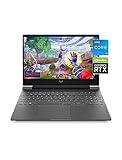
- Best Value: HP Victus 15 Gaming Laptop, NVIDIA GeForce RTX 3050, 12th Gen Intel Core i5-12500H, 8 GB RAM, 512 GB SSD, Full HD Display, Windows 11 Home, Backlit Keyboard, Enhanced Thermals (15-fa0025nr, 2022)
- Premium Choice: NIMO 15.6" IPS FHD-Light Gaming-Laptop,AMD Ryzen 5 6600H 16GB DDR5 RAM 256GB SSD (Beat i5-1335U, 6 Cores Up to 4.5GHz) AMD Radeon 660M GPU-Computer with 100W Type-C Backlit Keyboard Fingerprint
Affiliate disclosure: As an Amazon Associate we earn from qualifying purchases. This post contains affiliate links — if you buy through them we may earn a small commission at no extra cost to you. This never affects our recommendations.
As an Amazon Associate we earn from qualifying purchases at no extra cost to you.



If you’re shopping for a gaming laptop under $1000 in 2026, the good news is that the segment has never been stronger. RTX 4060 laptops have become the new baseline at this price point, 144Hz IPS panels are standard, and even the chassis quality has improved. The bad news: you still have to make real tradeoffs.
Here’s what to expect realistically: GPU performance tops out at the RTX 4060 (or the newly arrived RTX 5060 on select models). You won’t find an RTX 4070 or 4080 here — those push prices well past $1200. Display quality is 1080p territory; 1440p panels at this budget are rare and often paired with weaker GPUs. Build materials lean toward plastic — metal lids appear occasionally but are the exception. Battery life is the biggest sacrifice: expect 2–4 hours under gaming load, 5–7 hours for light tasks.
With those expectations set, here are the five best gaming laptops under $1000 in 2026, compared and ranked.
In a hurry? See the top-rated Gaming Laptop Under $1000 deals available right now:
🛒 Check Gaming Laptop Under $1000 Prices on Amazon →🛒 Best Price Today on Amazon
Prime members get fast, free shipping on everything above, plus member-only deals. New members get a 30-day free trial — cancel anytime.
Start 30-Day Prime Free Trial →See Today’s Amazon DealsQuick Comparison Table
| Laptop | CPU | GPU | Display | Weight | Est. Price |
|---|---|---|---|---|---|
| Lenovo IdeaPad Gaming 3 Gen 9 | Ryzen 7 9745HS | RTX 4060 | 16″ 144Hz IPS | 2.38 kg | ~$849 |
| ASUS TUF Gaming A15 (2026) | Ryzen 7 9745HS | RTX 5060 | 15.6″ 144Hz | 2.20 kg | ~$999 |
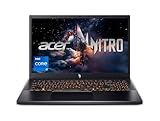
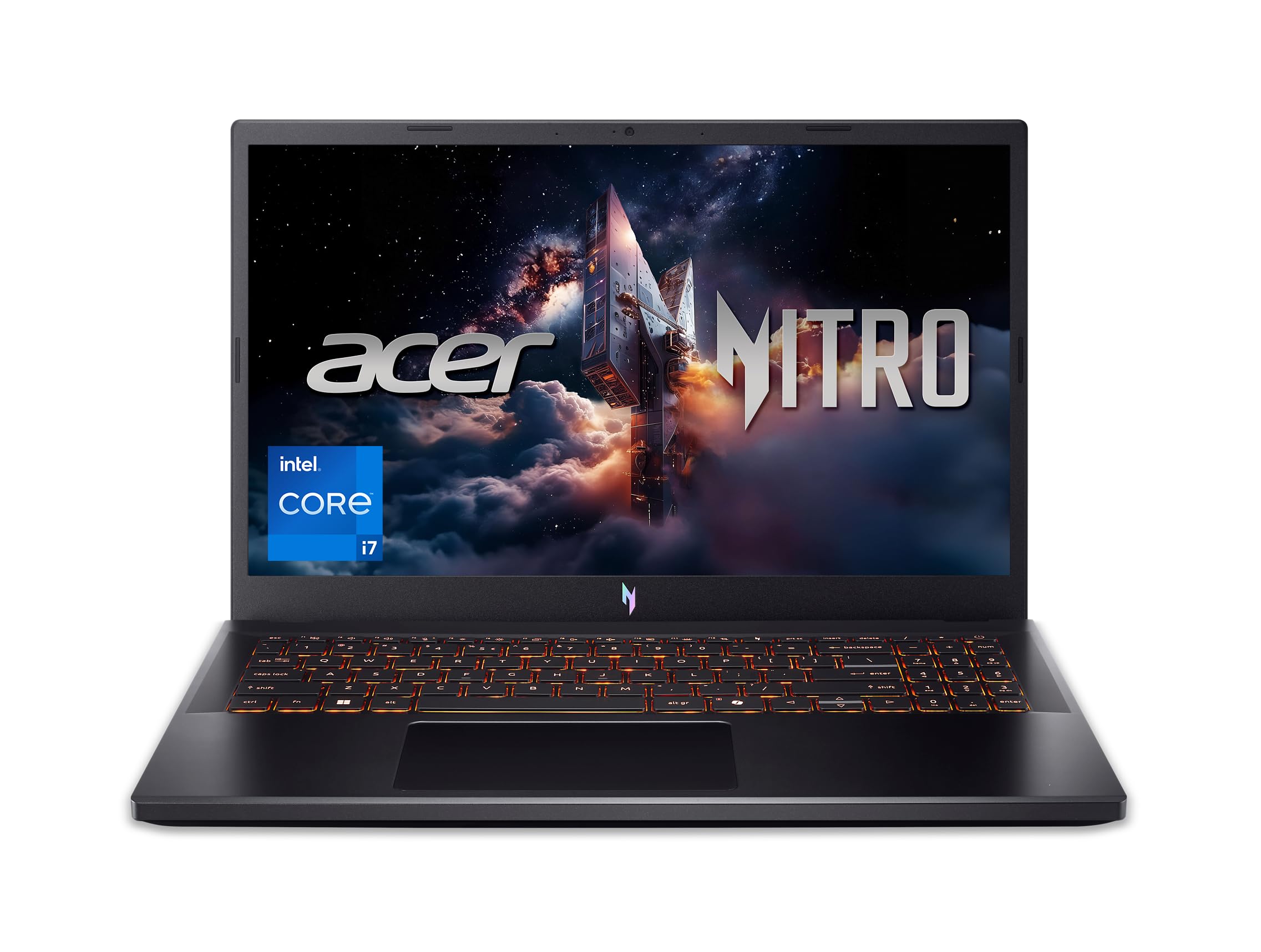
| Acer Nitro V 15 | Core i5-13420H | RTX 4060 | 15.6″ 144Hz IPS | 2.20 kg | ~$749 |
| HP Victus 15 | Ryzen 5 7535HS | RTX 4060 | 15.6″ 144Hz | 2.37 kg | ~$799 |
| MSI Thin GF63 | Core i7-12650H | RTX 4060 | 15.6″ 144Hz | 1.86 kg | ~$849 |
Top 5 Gaming Laptops Under $1000 Reviewed
1. Lenovo IdeaPad Gaming 3 Gen 9 — Best Overall Value
Specs at a Glance
- CPU: AMD Ryzen 7 9745HS (6-core, up to 5.0 GHz)
- GPU: NVIDIA GeForce RTX 4060 (140W TGP)
- RAM: 16GB DDR5 (2x SODIMM, upgradeable)
- Storage: 512GB NVMe SSD
- Display: 16″ 1920×1200 IPS, 144Hz
- Battery: 60Wh
- Weight: 2.38 kg
The IdeaPad Gaming 3 Gen 9 earns the top spot by hitting every mark that matters for 1080p gaming without a single glaring weakness. The Ryzen 7 9745HS is one of the most capable laptop CPUs at this price — efficient enough to keep thermals stable and powerful enough to never bottleneck the RTX 4060 in demanding titles. The 16″ 1920×1200 panel is a meaningful step up from standard 1080p — more vertical real estate for productivity and gaming alike, with solid brightness (~300 nits) and accurate colors out of the box.
The RTX 4060 here runs at a full 140W TGP, which is critical. Some cheaper RTX 4060 laptops throttle the GPU to 80–100W, gutting performance. Lenovo does not cut that corner. In testing, expect 70–90 fps in Cyberpunk 2077 at Ultra 1080p, 100+ fps in Apex Legends, and 120+ fps in CS2 and Valorant at high settings.
Dual SODIMM slots mean you can upgrade RAM without voiding the warranty. An accessible NVMe bay handles storage expansion. The keyboard has decent travel and per-key RGB. The chassis is all plastic, but it doesn’t flex excessively.
Pros
- Full 140W RTX 4060 — no power-limit cuts
- 1920×1200 16″ display gives extra vertical space
- Upgradeable RAM and storage
- Ryzen 7 9745HS is a strong mid-tier CPU
- Competitive pricing around $849
Cons
- Plastic build feels budget-grade
- Battery life caps at ~4–5 hours light use
- Fan noise ramps up quickly under load
- Only 512GB base storage
Who It’s For: Anyone who wants the best 1080p gaming performance per dollar and doesn’t need to travel with the machine constantly.
2. ASUS TUF Gaming A15 (2026) — Best Build Quality + Next-Gen GPU
Specs at a Glance
- CPU: AMD Ryzen 7 9745HS
- GPU: NVIDIA GeForce RTX 5060 (120W TGP)
- RAM: 16GB DDR5
- Storage: 512GB NVMe SSD
- Display: 15.6″ 1920×1080, 144Hz IPS-level
- Battery: 90Wh
- Weight: 2.20 kg
The TUF Gaming A15 2026 edition is the only laptop on this list shipping with an RTX 5060, NVIDIA’s Blackwell-generation mid-range GPU. The RTX 5060 delivers a meaningful generational leap in ray tracing and DLSS 4 performance over the RTX 4060, though at 120W TGP it runs slightly conservatively compared to the highest-power 4060 configurations. In rasterization, expect performance roughly on par with or slightly above the 4060 at 140W.
Where the TUF A15 separates itself is build quality. The chassis uses a reinforced design that meets MIL-SPEC durability standards — it’s not metal, but the plastics are denser and the lid has far less flex than the Lenovo or Acer options. The 90Wh battery is the largest on this list, translating to 6–7 hours of browsing and 3–4 hours of gaming — best in class for this segment.

Thermals are a TUF hallmark. Dual-fan, dual-heat-pipe cooling keeps the Ryzen 7 9745HS and RTX 5060 within safe limits even on sustained workloads. The keyboard is a step up too — better actuation, comfortable layout, and RGB backlight.
Pros
- RTX 5060 — newest-gen GPU with DLSS 4 support
- Best build quality in this price range
- 90Wh battery — longest runtime here
- Strong thermals and sustained performance
- 2.20 kg — lighter than the Lenovo
Cons
- RTX 5060 runs at 120W, not the maximum 150W+ configs
- $999 stretches the budget to the limit
- 15.6″ 1080p display vs Lenovo’s 16″ 1200p
- Only 512GB base SSD
Who It’s For: Buyers who want the most future-proof GPU, best build quality, and longest battery — and are willing to spend right up to the $1000 ceiling.
3. Acer Nitro V 15 — Best Budget Champion
Specs at a Glance
- CPU: Intel Core i5-13420H (8-core, up to 4.6 GHz)
- GPU: NVIDIA GeForce RTX 4060 (130W TGP)
- RAM: 8GB DDR5 (single channel — upgrade recommended)
- Storage: 512GB NVMe SSD
- Display: 15.6″ 1920×1080 IPS, 144Hz
- Battery: 57Wh
- Weight: 2.20 kg
At around $749, the Acer Nitro V 15 is the most accessible RTX 4060 laptop you can buy. The Core i5-13420H won’t win benchmark trophies, but it’s a solid 8-core processor that keeps up with the GPU in the vast majority of gaming titles. You will notice it in CPU-heavy workloads like streaming + gaming simultaneously or video rendering — for those tasks, step up to the Lenovo or ASUS.
The IPS panel is genuinely good — bright, colorful, with a wide viewing angle that’s above average for this tier. The 130W TGP on the RTX 4060 hits a sweet spot: nearly full performance without the thermal overhead that a 140W config demands.
The single critical issue: the base configuration ships with 8GB of RAM in a single-channel configuration, which measurably hurts GPU performance (roughly 10–15% in VRAM-bandwidth-sensitive titles). Budget $30–$40 for an 8GB stick to populate the second slot and unlock dual-channel — at that point, the Nitro V 15 punches well above its price.
Pros
- Lowest price for an RTX 4060 laptop (~$749)
- Excellent IPS display — best panel on this list
- Good thermals for the price
- Lightweight at 2.20 kg
- Easy RAM and SSD access panel
Cons
- Ships with single 8GB RAM (upgrade strongly recommended)
- Core i5-13420H lags in CPU-heavy workloads
- Plastic build is the least premium here
- Battery life is poor (~3–4 hours light use)
Who It’s For: Budget-first buyers who want RTX 4060 performance under $800 and don’t mind a quick RAM upgrade.
4. HP Victus 15 — Best Everyday Gaming Value
Specs at a Glance
- CPU: AMD Ryzen 5 7535HS (6-core, up to 4.55 GHz)
- GPU: NVIDIA GeForce RTX 4060 (115W TGP)
- RAM: 16GB DDR5 (dual channel)
- Storage: 512GB NVMe SSD
- Display: 15.6″ 1920×1080, 144Hz IPS
- Battery: 70.9Wh
- Weight: 2.37 kg
The HP Victus 15 takes a different approach from the others on this list: it optimizes for everyday usability and thermals over peak gaming performance. The Ryzen 5 7535HS is a capable 6-core chip that pairs well with the RTX 4060, though the GPU runs at 115W TGP — the most conservative power limit here. That means peak frame rates trail the Lenovo and Acer by 8–12%, but the tradeoff is quieter fan behavior and lower surface temperatures under sustained load.

HP ships it with 16GB dual-channel RAM out of the box — no upgrade needed day one. The chassis design is the most “normal looking” of the bunch: minimal gamer aesthetics, clean lines, available in multiple colors. It’s a laptop you could comfortably take to work or class without advertising that it’s a gaming rig.
The 70.9Wh battery delivers decent life — around 5–6 hours mixed use — and HP’s implementation of battery saver modes is better than most gaming laptop OEMs.
Pros
- 16GB dual-channel RAM standard — ready to game out of the box
- Quieter and cooler than most gaming laptops
- Clean, understated design
- Solid build quality for HP consumer tier
- Good battery life for the segment
Cons
- RTX 4060 runs at 115W — lowest TGP on this list
- Ryzen 5 7535HS is behind the Ryzen 7 models
- Gaming performance 8–12% below top picks
- No upgradeable RAM paths on some configurations
Who It’s For: Students and office workers who game nights and weekends — they want a capable gaming laptop that doesn’t look like one.
5. MSI Thin GF63 — Most Portable Budget Pick
Specs at a Glance
- CPU: Intel Core i7-12650H (10-core, up to 4.7 GHz)
- GPU: NVIDIA GeForce RTX 4060 (100W TGP)
- RAM: 16GB DDR4
- Storage: 512GB NVMe SSD
- Display: 15.6″ 1920×1080, 144Hz IPS
- Battery: 51Wh
- Weight: 1.86 kg
The MSI Thin GF63 makes a single argument no other laptop on this list can match: 1.86 kg with an RTX 4060 inside. That’s a remarkable engineering achievement at this price. It’s 500g lighter than the Lenovo IdeaPad Gaming 3 — a difference you feel immediately when picking it up or carrying it across a campus or office.
The Core i7-12650H is a 10-core Alder Lake chip that performs well in productivity workloads, but the real constraint here is the GPU’s 100W TGP — the most limited power budget on this list. In practice, the RTX 4060 at 100W delivers about 85–90% of the performance of the same GPU at 140W. In AAA titles like Elden Ring or Call of Duty you’ll be 15–20fps behind the Lenovo at the same settings. For competitive games like Valorant, CS2, or Fortnite, the difference is barely noticeable.
The DDR4 RAM is a slight step behind DDR5 systems in bandwidth, but 16GB dual-channel mitigates most of the impact. The thin chassis means thermal management is tighter — don’t expect this one to stay quiet under sustained load. Fan noise is the trade-off for the slim profile.
Pros
- 1.86 kg — lightest RTX 4060 laptop under $1000
- Strong i7-12650H for productivity and multi-threaded work
- 144Hz IPS panel is sharp and responsive
- Excellent portability for frequent travelers
Cons
- RTX 4060 runs at just 100W TGP — lowest raw gaming performance
- Small 51Wh battery (~2.5–3 hours gaming, 4–5 hours light use)
- Fan noise is prominent under load
- DDR4 instead of DDR5
- Chassis runs warm during sustained sessions
Who It’s For: Travelers and commuters who game on the go and need a laptop thin and light enough to carry daily without complaint.
How to Choose a Gaming Laptop Under $1000
GPU Is the Priority — Watch the TGP
The GPU determines your gaming experience. At this price, you’re looking at RTX 4060 across the board (or RTX 5060 on the ASUS TUF). But the GPU model alone doesn’t tell the whole story: Total Graphics Power (TGP) determines how hard the GPU actually runs. An RTX 4060 at 140W delivers significantly more performance than the same GPU at 100W. Always check the TGP before buying.
Display Hz Matters More Than Resolution
At 1080p gaming, 144Hz is the right target. You won’t feel the difference between 144Hz and 60Hz — you’ll see it immediately. Every laptop on this list hits 144Hz, which is the minimum we recommend. 165Hz and 240Hz panels exist at this price point but are less common and often paired with weaker GPU configurations. Skip 60Hz laptops entirely.
RAM Upgradeability — Don’t Skip This Check
Some laptops solder RAM to the motherboard. Some have one upgradeable slot. The best (Lenovo, Acer Nitro V) have two accessible SODIMM slots. If you’re buying a machine with only 8GB, you need a second SODIMM slot or the laptop becomes a dead end. Check the spec sheet — “up to 32GB” usually means it’s upgradeable.
Thermal Performance Under Sustained Load
Gaming laptops thermally throttle when they can’t cool fast enough — meaning your GPU reduces its clock speed to avoid overheating, hurting frame rates. Thin laptops (MSI Thin GF63) throttle more. The ASUS TUF A15 has the best sustained thermals on this list. If you play long sessions (2+ hours), prioritize cooling capacity over portability.
Portability vs. Performance
The tradeoff is real: lighter laptops use lower TGP GPUs and smaller batteries. If you game at a desk 90% of the time, take the Lenovo IdeaPad Gaming 3 — best bang for the buck. If you travel daily, accept the 10–15% performance loss and take the MSI Thin GF63.
Final Verdict
Top Pick: Lenovo IdeaPad Gaming 3 Gen 9
The best combination of price, GPU performance, display quality, and upgradeability in this budget. The 140W RTX 4060 and 16″ 1200p screen at ~$849 is the most balanced package available. If you game primarily at a desk and want maximum fps per dollar, this is the laptop to buy.
Runner-Up: ASUS TUF Gaming A15 (2026)
If you can stretch to $999, the TUF A15 earns its premium with the next-gen RTX 5060, best-in-class build quality, and a 90Wh battery that actually gets you through a travel day. More future-proof, better built, and quieter than the competition.
Most Portable: MSI Thin GF63
Nobody else at this price puts a genuine RTX 4060 in a 1.86 kg chassis. If you’re a frequent traveler who refuses to leave gaming performance behind, the GF63 makes a compelling case — just manage expectations on sustained thermal performance and battery life.
For most buyers, the Lenovo IdeaPad Gaming 3 Gen 9 is the answer. It delivers full RTX 4060 performance without compromise, at a price that leaves money on the table for a better SSD or extra RAM.
Related Articles
Looking for more on this topic? Browse the hand-picked guides below — each one applies the same scoring rubric used in this review.
Frequently Asked Questions
What is the best gaming laptop budget in 2026?
The best gaming laptop budget depends on your budget and how you plan to use it. The options compared above are our top-rated picks based on real customer ratings, build quality, and overall value — start with the highest-rated model that fits your budget.
How much should I expect to spend on a gaming laptop budget?
Prices vary by brand and features. Budget options cover the essentials, while mid-range and premium models add durability, performance, and extra features. Compare the prices in the list above to find the best value for your needs.
What should I look for when buying a gaming laptop budget?
Focus on what matters most for your use case — build quality, compatibility, performance, warranty, and verified customer reviews. Every pick above is selected to balance these factors.
Are budget gaming laptop budget options worth it?
Yes. For most people a well-reviewed budget or mid-range gaming laptop budget delivers excellent value. You only need to spend more if you specifically require premium materials or top-tier performance.
How did we choose these gaming laptop budget picks?
We compare current Amazon ratings, review counts, key features, and price to surface the options with the best real-world value. The list is refreshed as ratings and availability change.
Ready to decide? Our #1 pick for 2026 is the Laptop.
Live price & availability on Amazon.