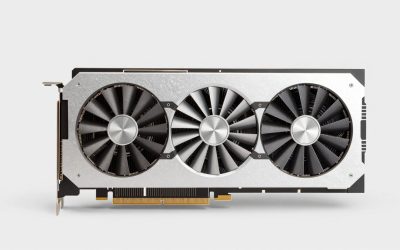
- Top Pick: ASUS TUF Gaming GeForce RTX 5070 12GB GDDR7 OC EditionGaming Graphics Card
- Best Value: ASUS TUF Gaming NVIDIA GeForce RTX 4070 OC Edition Gaming Graphics Card (PCIe 4.0, 12GB GDDR6X, HDMI 2.1, DisplayPort 1.4a), 3 Year Warranty
- Premium Choice: ASUS TUF Gaming GeForce RTX™ 4070 Ti Super BTF White OC Edition Gaming Graphics Card (PCIe 4.0, 16GB GDDR6X, Exclusive to BTF ATX Motherboards
Affiliate disclosure: As an Amazon Associate we earn from qualifying purchases. This post contains affiliate links — if you buy through them we may earn a small commission at no extra cost to you. This never affects our recommendations.
- Quick Picks: Best RTX 4070 Cards at a Glance
- RTX 4070 vs RTX 4070 Super vs RX 7800 XT: Which to Buy?
- 1440p Performance: Frame Rates in Popular Games
- Top 5 RTX 4070 AIB Cards: Full Reviews
- Full Comparison Table
- What to Look For When Buying an RTX 4070
- Verdict: Which RTX 4070 Should You Buy?
- Related Articles
- Frequently Asked Questions
- Related Articles
As an Amazon Associate we earn from qualifying purchases at no extra cost to you.




In a hurry? See the top-rated RTX 4070 Graphics Card deals available right now:
🛒 Check Rtx 4070 Graphics Card Prices on Amazon →🛒 Best Price Today on Amazon
Prime members get fast, free shipping on everything above, plus member-only deals. New members get a 30-day free trial — cancel anytime.
Start 30-Day Prime Free Trial →See Today’s Amazon DealsQuick Picks: Best RTX 4070 Cards at a Glance
| Card | Best For | Boost Clock | TDP | Approx. Price |
|---|---|---|---|---|
| ASUS TUF Gaming RTX 4070 OC | Best Overall | 2,625 MHz | 200W | ~$599 |
| MSI Gaming X Trio RTX 4070 | Best Cooling | 2,610 MHz | 200W | ~$619 |
| Gigabyte Eagle OC RTX 4070 | Best Value | 2,535 MHz | 200W | ~$559 |
| ASUS ROG Strix RTX 4070 OC | Best Premium | 2,670 MHz | 220W | ~$679 |
| Zotac Gaming Twin Edge OC RTX 4070 | Best Compact | 2,505 MHz | 200W | ~$549 |
Bottom line: The ASUS TUF Gaming RTX 4070 OC is the one to buy for most people — competitive thermals, near-silent operation, rock-solid build quality, and fair pricing. If budget is tight, the Gigabyte Eagle OC hits the sweet spot. If you want the absolute best, the ROG Strix is worth the premium.
RTX 4070 vs RTX 4070 Super vs RX 7800 XT: Which to Buy?
Before dropping money on any card, understand what you are actually getting.
The RTX 4070 (non-Super) is NVIDIA’s 1440p mainstream champion built on the Ada Lovelace architecture. It carries 12GB of GDDR6X memory on a 192-bit bus, 5,888 CUDA cores, and a 200W TDP. Frame Generation via DLSS 3 and DLSS 3.5 Ray Reconstruction are fully supported, giving it a real-world performance lead over raw rasterization numbers suggest.
The RTX 4070 Super adds 20% more CUDA cores (7,168), bumps the memory bus to 192-bit (same bandwidth), and typically lands $100–$130 higher. For pure rasterization in demanding titles like Alan Wake 2 or Cyberpunk 2077 with path tracing, the Super pulls ahead noticeably. If your budget comfortably allows it and you plan to hold this card for 3+ years at 1440p or are eyeing 4K light gaming, step up.
The RX 7800 XT from AMD is the RTX 4070’s closest AMD rival. It has 16GB of GDDR6 memory — a meaningful win over the 4070’s 12GB — and competes closely in rasterization at 1440p. However, it lacks Frame Generation, its ray tracing performance trails considerably, and AMD’s upscaler (FSR 3) is catching up but still slightly behind DLSS 3 in image quality. If you game exclusively on Linux or prefer open-source drivers, the 7800 XT is worth a look. For Windows-first gaming with RT and DLSS, the RTX 4070 is the stronger package.
Who should buy the RTX 4070 right now: You play at 1440p, want 60–120+ FPS in demanding titles and 165+ FPS in competitive shooters, care about ray tracing and DLSS, and do not want to spend $700+ on a GPU.
1440p Performance: Frame Rates in Popular Games
These are representative performance figures for a stock RTX 4070 at 1440p with quality settings maximized (no DLSS or Frame Generation unless noted).
| Game | Avg FPS (1440p Ultra) | DLSS Quality FPS |
|---|---|---|
| Cyberpunk 2077 (RT Overdrive off) | ~72 FPS | ~105 FPS |
| Alan Wake 2 | ~58 FPS | ~95 FPS |
| Call of Duty: Warzone | ~138 FPS | ~180+ FPS |
| Hogwarts Legacy | ~82 FPS | ~120 FPS |
| Microsoft Flight Simulator 2024 | ~68 FPS | ~100 FPS |
| Counter-Strike 2 (Competitive) | ~220 FPS | N/A |
| Elden Ring | ~95 FPS | N/A |
| Forza Horizon 5 | ~105 FPS | ~145 FPS |
The RTX 4070 handles every major title at 1440p with DLSS Quality on, comfortably targeting 120+ FPS on a 144Hz monitor. Turn on Frame Generation and the effective output numbers push even higher in supported titles. For pure native rendering without upscaling, demanding open-world or graphically intensive games can dip toward 60 FPS at max settings — still playable, but lowering one or two settings recovers significant frames.
Top 5 RTX 4070 AIB Cards: Full Reviews
1. ASUS TUF Gaming GeForce RTX 4070 OC — Best Overall
Specs at a glance
- Boost Clock: 2,625 MHz (OC mode)
- Memory: 12GB GDDR6X
- TDP: 200W
- Card Length: 336mm
- Slot Width: 2.7-slot
- Connectors: 1x 16-pin (PCIe 5.0 adapter included)
The TUF Gaming line has earned its reputation as ASUS’s workhorse — built tough, priced fairly, and engineered to stay quiet without sacrificing thermal headroom. The RTX 4070 TUF OC uses a triple-fan axial-tech cooler with a large aluminum heatsink and three 8cm fans. Under sustained gaming loads, GPU core temps land around 67–70°C, and the fans barely become audible until you push into stress testing.
Out of the box in OC mode, it boosts reliably to 2,580–2,610 MHz in real gaming workloads — right at the top of non-ROG ASUS offerings. The 0dB fan stop kicks in at idle and light desktop use, meaning zero fan noise when browsing or watching video. Build quality is premium: a reinforced PCB, dual ball-bearing fans, and a metal backplate that adds rigidity without adding unnecessary weight.
The TUF does not have an LCD display, ARGB light show, or extreme OC headroom — and that is fine. It is a focused, no-nonsense card for someone who wants reliability and quiet operation over flashy aesthetics.
Pros
- Quiet under gaming loads (near-silent below 55°C)
- 0dB idle fan stop
- Strong factory OC without thermal compromise
- Durable military-spec build
- Competitive price vs ROG Strix
Cons

- 336mm length may be tight in some mid-tower cases
- No ARGB or visual flair for show-build setups
- Slightly below ROG Strix boost clocks
Who it’s for: The gamer who wants the best blend of performance, thermals, acoustics, and value in a single card. This is the one we’d recommend to most buyers without hesitation.
2. MSI Gaming X Trio RTX 4070 — Best Cooling
Specs at a glance
- Boost Clock: 2,610 MHz
- Memory: 12GB GDDR6X
- TDP: 200W
- Card Length: 337mm
- Slot Width: 3-slot
- Connectors: 1x 16-pin
The Gaming X Trio has been MSI’s go-to premium-mainstream offering for several GPU generations, and it shows. Three 95mm TORX Fan 5.0 fans work over a large vapor chamber heatsink, resulting in some of the best sustained thermals in the non-flagship AIB segment. Core temps under a 30-minute gaming session regularly stay at 63–66°C — cooler than the TUF by a few degrees, quieter at equivalent loads.
Acoustically, the Gaming X Trio is exceptional. MSI’s semi-passive mode silences the fans until the card hits 60°C, and even under load, the three large fans spin at low enough RPM to stay below most system fan noise floors. The card looks premium — red and black color scheme with subtle MSI Dragon Center RGB on the side — without going overboard.
Build-wise, MSI uses a full-cover aluminum die-cast backplate and the heatsink fins are densely packed for maximum surface area. The 3-slot footprint does demand a well-ventilated case and verifying your PCIe slot spacing, but the thermal payoff is real.
Pros
- Among the best thermal performance in non-flagship RTX 4070 cards
- Extremely quiet under load
- Premium vapor chamber cooler
- Solid build with full backplate
Cons
- 3-slot width — check case compatibility
- RGB is subtle; limited software control without MSI Center
- Marginally higher price than the TUF
Who it’s for: Users who want low temperatures and near-silent acoustics as the top priority, or those building in cases with good airflow but limited cooling overhead.
3. Gigabyte GeForce RTX 4070 Eagle OC — Best Budget AIB Pick
Specs at a glance
- Boost Clock: 2,535 MHz
- Memory: 12GB GDDR6X
- TDP: 200W
- Card Length: 308mm
- Slot Width: 2.5-slot
- Connectors: 1x 16-pin
The Eagle OC is Gigabyte’s entry-level AIB on the RTX 4070, and it is the right card for buyers who want to save $40–60 without giving up meaningful gaming performance. Three WINDFORCE fans keep things manageable — temps run around 72–75°C under sustained load, which is warmer than the TUF or Gaming X Trio but well within safe operating range. Noise levels are slightly higher than the premium picks but not objectionable.
The shorter 308mm PCB is the Eagle OC’s biggest practical advantage. It fits in smaller mid-towers and even some large ATX cases where a 335mm+ card would be too close to the front panel or drive cages. For a cable-managed, clean build on a tighter budget, this is a genuinely useful size advantage.
The boost clock of 2,535 MHz is the lowest of the five cards here, but in real gaming workloads the performance gap versus the TUF OC is rarely more than 2–3 FPS — not perceptible in practice. The money saved is real; the performance loss is not.
Pros
- Lowest price of the five cards
- Shorter 308mm length — fits more cases
- Solid thermal performance for the price
- Good for first-time builders on a budget
Cons

- Runs warmer than premium AIBs
- Slightly louder under sustained load
- Lower factory boost clock (marginal real-world impact)
- Plastic backplate vs metal on premium cards
Who it’s for: Budget-focused buyers, first-time builders, or anyone putting an RTX 4070 in a secondary rig who wants maximum value without spending on cooling they do not need.
4. ASUS ROG Strix RTX 4070 OC — Best Premium Option
Specs at a glance
- Boost Clock: 2,670 MHz
- Memory: 12GB GDDR6X
- TDP: 220W (raised power limit)
- Card Length: 357mm
- Slot Width: 3.1-slot
- Connectors: 1x 16-pin
The ROG Strix is ASUS’s flagship treatment for the RTX 4070, and it is the card you buy when you want the absolute best available without stepping up to the RTX 4070 Super or RTX 4080. The triple-fan cooler is larger than the TUF, the heatsink is more substantial, and the raised 220W power limit gives the GPU room to boost higher and sustain those clocks longer under demanding scenes.
Core temps land at 60–64°C under gaming workloads — the coolest of any card in this roundup. Noise is comparable to the MSI Gaming X Trio at low-to-medium loads, though the ROG Strix can sustain more aggressive performance profiles without the fans spinning up noticeably. The ROG Strix ARGB lighting is the most visually impactful of the five, with Aura Sync along the side shroud and top.
Performance-wise, the 2,670 MHz boost and higher power headroom translate to a real 2–4% gain over the TUF OC in CPU-unconstrained scenarios. In most games that gap is not worth $80 extra. Where the ROG Strix earns its price is sustained heavy workloads — content creation, AI inference tasks, long gaming sessions — where the thermal headroom pays dividends.
Pros
- Highest boost clock and power limit of the five cards
- Best sustained thermals — 60–64°C
- Premium ARGB lighting
- Excellent for workstation-adjacent workloads
Cons
- 357mm length — will not fit many mid-tower cases
- 3.1-slot width requires slot spacing verification
- $80–100 premium over the TUF for modest gaming gains
- Overkill for pure gaming at 1440p
Who it’s for: Enthusiast builders who want the best RTX 4070 on the market, have a full-tower case, and use the card for gaming plus creative workloads. Also ideal for those who plan to keep the card 4+ years and want maximum thermal longevity.
5. Zotac Gaming RTX 4070 Twin Edge OC — Best Compact Card
Specs at a glance
- Boost Clock: 2,505 MHz
- Memory: 12GB GDDR6X
- TDP: 200W
- Card Length: 282mm
- Slot Width: 2-slot
- Connectors: 1x 16-pin
The Twin Edge OC is the clear outlier in this list — and intentionally so. At 282mm and just two slots, it is significantly smaller than every other RTX 4070 AIB, making it the only real option for mATX or ITX cases, Silverstone narrow cases, or anyone constrained by case depth. For the majority of 1440p gaming use cases, the real-world performance loss vs the larger cards is 3–6 FPS at most.
The thermal compromise is real. Two 90mm fans over a smaller heatsink push GPU temps to 78–83°C under sustained load — safe, but noticeably warmer than the triple-fan options. Fans do run more audibly to compensate, so in a quiet case-focused build this is not the acoustics champion. For SFF builders, this is simply the trade-off to get an RTX 4070 into a small enclosure.
The 2,505 MHz factory boost is the lowest of the group, but the card can be manually overclocked with a slight power limit adjustment in MSI Afterburner to recover some performance. Zotac’s build quality is decent if unspectacular — functional backplate, no ARGB, no display.
Pros
- 282mm length — fits nearly any case
- 2-slot width for tight PCIe spacing
- Full RTX 4070 performance in SFF packaging
- Lowest overall price point
Cons

- Warmest card in the group (78–83°C)
- Audible fan noise under load
- Lowest factory boost clock
- No ARGB or premium build features
Who it’s for: SFF and ITX builders, or anyone with strict case length limits. If the card fits your case and thermals are acceptable, it is a strong choice. Do not pick it for a standard mid-tower build when better options exist at similar prices.
Full Comparison Table
| Feature | ASUS TUF OC | MSI Gaming X Trio | Gigabyte Eagle OC | ASUS ROG Strix OC | Zotac Twin Edge OC |
|---|---|---|---|---|---|
| Boost Clock | 2,625 MHz | 2,610 MHz | 2,535 MHz | 2,670 MHz | 2,505 MHz |
| Memory | 12GB GDDR6X | 12GB GDDR6X | 12GB GDDR6X | 12GB GDDR6X | 12GB GDDR6X |
| TDP | 200W | 200W | 200W | 220W | 200W |
| Temps (gaming) | 67–70°C | 63–66°C | 72–75°C | 60–64°C | 78–83°C |
| Length | 336mm | 337mm | 308mm | 357mm | 282mm |
| Slot Width | 2.7 | 3.0 | 2.5 | 3.1 | 2.0 |
| Fan Setup | Triple | Triple | Triple | Triple | Dual |
| ARGB | Subtle | Yes | No | Yes | No |
| Approx. Price | ~$599 | ~$619 | ~$559 | ~$679 | ~$549 |
| Best For | Overall | Acoustics | Value | Premium | SFF/Compact |
What to Look For When Buying an RTX 4070
Cooling Configuration
Triple-fan cards run cooler and quieter. Most RTX 4070 cards sit in the 200W TDP range — enough that dual-fan designs (like the Zotac Twin Edge) run noticeably warmer. Unless you have a size constraint, triple-fan is almost always the right choice.
Card Length and Slot Width
Measure your case before buying. RTX 4070 AIBs range from 282mm (Zotac Twin Edge) to 357mm (ROG Strix). Mid-tower cases typically support up to 330–360mm, but drive cages, front fans, or cable routes can reduce usable clearance. Slot width matters if your motherboard has a populated PCIe slot adjacent to the x16 slot — a 3.1-slot card may block it.
Factory Overclock — How Much Does It Matter?
Across the cards in this guide, the clock speed spread is 2,505 MHz to 2,670 MHz. In real gaming scenarios, this difference translates to roughly 3–6% performance variation — one to three FPS in most titles. Factory OC is a tie-breaker, not a primary selection criterion. Thermals and noise levels have more practical impact on day-to-day use.
Power Draw and PSU Requirements
Every card here runs at 200W stock (ROG Strix at 220W with raised limits). NVIDIA recommends a 650W PSU for the RTX 4070 system. A quality 750W PSU gives comfortable headroom for mid-to-high-end CPUs alongside the GPU. Do not cut corners on the power supply.
Warranty and AIB Support
ASUS and MSI offer 3-year warranties. Gigabyte and Zotac typically offer 3 years as well. ASUS ROG and TUF have strong support track records. For buyers outside North America, check regional warranty terms — coverage can vary.
Price-to-Performance Priority
At current market prices, the gap between the cheapest option (Zotac Twin Edge OC at ~$549) and the most expensive (ROG Strix at ~$679) is $130. For a card you will game on for three to four years, the extra $40–50 for the TUF OC over the Eagle OC buys materially better thermals and acoustics. The ROG Strix’s $80 premium over the TUF is harder to justify for gaming alone.
Verdict: Which RTX 4070 Should You Buy?
For most buyers: ASUS TUF Gaming RTX 4070 OC. It delivers quiet operation, strong thermals, reliable factory clock speeds, and durable build quality at a price that does not demand justification. It is the safe, smart buy.
On a tight budget: Gigabyte Eagle OC RTX 4070. The $40 savings over the TUF OC are real, the gaming performance difference is not. It runs a bit warmer but within safe margins, and the shorter form factor is a bonus for tighter cases.
For silence and thermals: MSI Gaming X Trio RTX 4070. The vapor chamber and three large TORX fans produce the quietest sustained gaming experience short of the ROG Strix. Worth the $20 premium over the TUF OC if acoustics are a priority.
For the best money can buy at this tier: ASUS ROG Strix RTX 4070 OC. Highest clocks, coldest temps, best headroom for multi-purpose use. The length rules it out of many cases — verify before buying.
For SFF and compact builds: Zotac Gaming RTX 4070 Twin Edge OC. The only real option when case space dictates the choice. Accept the thermal trade-off knowing the GPU performance is still full RTX 4070 at the end of the day.
The RTX 4070 remains one of the cleanest GPU purchases in 2026 for 1440p gaming. Buying the right AIB card matters — it determines how hot it runs, how loud it is, and how long it lasts. The five picks above cover every budget and form factor. Pick the one that fits your case, your budget, and your tolerance for fan noise.
Related Articles
Looking for more on this topic? Browse the hand-picked guides below — each one applies the same scoring rubric used in this review.
Frequently Asked Questions
What is the best gaming gpu rtx 4070 in 2026?
The best gaming gpu rtx 4070 depends on your budget and how you plan to use it. The options compared above are our top-rated picks based on real customer ratings, build quality, and overall value — start with the highest-rated model that fits your budget.
How much should I expect to spend on a gaming gpu rtx 4070?
Prices vary by brand and features. Budget options cover the essentials, while mid-range and premium models add durability, performance, and extra features. Compare the prices in the list above to find the best value for your needs.
What should I look for when buying a gaming gpu rtx 4070?
Focus on what matters most for your use case — build quality, compatibility, performance, warranty, and verified customer reviews. Every pick above is selected to balance these factors.
Are budget gaming gpu rtx 4070 options worth it?
Yes. For most people a well-reviewed budget or mid-range gaming gpu rtx 4070 delivers excellent value. You only need to spend more if you specifically require premium materials or top-tier performance.
How did we choose these gaming gpu rtx 4070 picks?
We compare current Amazon ratings, review counts, key features, and price to surface the options with the best real-world value. The list is refreshed as ratings and availability change.
Ready to decide? Our #1 pick for 2026 is the Card.
Live price & availability on Amazon.