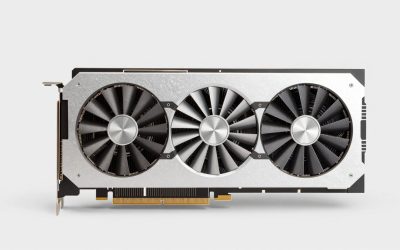
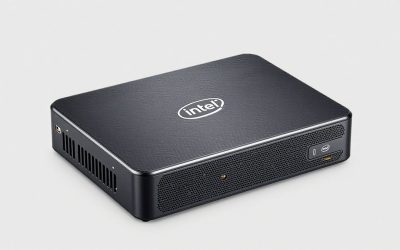
- Top Pick: iBUYPOWER Slate MESH Gaming PC Desktop Computer Intel Core i7 14700F CPU, NVIDIA GeForce RTX 4060 8GB GPU, 32GB DDR5 RGB 5200MHz RAM, 1TB SSD, Windows 11 Home, Gamer Keyboard and Mouse -SMI7N4601
- Best Value: ASUS Dual GeForce RTX™ 4060 V2 OC Edition (PCIe 4.0, 8GB GDDR6, DLSS 3, HDMI 2.1a, DisplayPort 1.4a, 2-Slot Design, Axial-tech Fan Design, 0dB Technology, and More) (Renewed)
- Premium Choice: ASUS Dual GeForce RTX 4060 Ti EVO OC Edition 8GB GDDR6 (PCIe 4.0, 8GB GDDR6, DLSS 3, HDMI 2.1a, DisplayPort 1.4a, Axial-tech Fan Design, Auto-Extreme Technology), 3 Year Warranty
Affiliate disclosure: As an Amazon Associate we earn from qualifying purchases. This post contains affiliate links — if you buy through them we may earn a small commission at no extra cost to you. This never affects our recommendations.
As an Amazon Associate we earn from qualifying purchases at no extra cost to you.


If you’re building or upgrading a 1080p gaming rig without breaking the bank, the NVIDIA GeForce RTX 4060 remains one of the smartest GPU purchases you can make in 2026. Built on NVIDIA’s Ada Lovelace architecture, it packs 3,072 CUDA cores, 8GB of GDDR6 VRAM on a 128-bit memory bus, and a remarkably efficient 115W TDP — all while supporting DLSS 3 Frame Generation, which can effectively double or triple your frame rate in supported titles at the cost of a little latency.
That said, the 4060 is not without its caveats. The 128-bit memory bus is a genuine bottleneck compared to the wider 192-bit bus on the older RTX 3060. At 1080p with current-gen titles, you’ll rarely hit a wall, but memory-bandwidth-hungry games and heavily modded titles can expose the limitation. If your budget stretches further, the RTX 4060 Ti adds 8GB or 16GB options, a wider 128-bit bus (same width, but higher clock speeds and larger L2 cache help significantly), and around 15–25% more raw performance — typically at a $80–$120 premium depending on the AIB model. For pure 1080p at 60–144 Hz, the standard 4060 hits the sweet spot; for 1440p ambitions or future-proofing, lean toward the Ti.
What really differentiates one RTX 4060 from another is the AIB partner design: cooling solution, factory overclock, card length, power connector, and long-term build quality. This guide breaks down the five best RTX 4060 graphics cards available in 2026, so you can pick the one that fits your case, budget, and noise preferences.
In a hurry? See the top-rated RTX 4060 Graphics Card deals available right now:
🛒 Check Rtx 4060 Graphics Card Prices on Amazon →🛒 Best Price Today on Amazon
Prime members get fast, free shipping on everything above, plus member-only deals. New members get a 30-day free trial — cancel anytime.
Start 30-Day Prime Free Trial →See Today’s Amazon DealsQuick Comparison: Top RTX 4060 AIB Cards
| Model | Boost Clock | TDP | Cooling | VRAM Bus | Est. Price |
|---|---|---|---|---|---|
| ASUS Dual RTX 4060 OC | 2,505 MHz | 115W | Dual fan (200mm) | 8GB GDDR6 128-bit | ~$299 |
| MSI Ventus 2X RTX 4060 | 2,490 MHz | 115W | Dual fan | 8GB GDDR6 128-bit | ~$289 |
| Gigabyte Eagle OC RTX 4060 | 2,490 MHz | 115W | WINDFORCE 2X | 8GB GDDR6 128-bit | ~$289 |
| ASUS ROG Strix RTX 4060 OC | 2,555 MHz | 165W (power limit) | Triple fan | 8GB GDDR6 128-bit | ~$349 |
| Zotac Gaming Twin Edge RTX 4060 | 2,475 MHz | 115W | Dual fan (172mm) | 8GB GDDR6 128-bit | ~$279 |
Top 5 Best RTX 4060 Graphics Cards
1. ASUS Dual RTX 4060 OC — Best Overall for mATX/ITX Builds
The ASUS Dual RTX 4060 OC is the card that hits every mark for the mainstream builder. At just 200mm in length, it slides into virtually any mid-tower or mATX case without clearance headaches, yet it ships with a factory overclock pushing the boost clock to 2,505 MHz — one of the highest out-of-the-box frequencies among dual-fan 4060 designs. The Axial-tech dual-fan cooler keeps temperatures comfortably in the low-to-mid 70°C range under sustained load, and the card draws power through a single 8-pin connector (PCIe Gen 4 compatible), so no adapter needed on modern boards. ASUS backs it with their strong warranty and GPU Tweak III software for further tuning. For anyone building in a compact case who doesn’t want to sacrifice performance headroom, this is the default recommendation.
Pros:
- Compact 200mm length fits almost any case including small mATX and some ITX builds
- Factory overclocked to 2,505 MHz boost — top of the dual-fan class
- Solid thermals in the low 70°C range under full load
- Single 8-pin power connector, no adapter required
- ASUS GPU Tweak III software included
- Strong build quality and warranty support
Cons:
- Dual-fan acoustics are slightly more noticeable than triple-fan designs under sustained load
- No RGB lighting — purely functional aesthetic
2. MSI Ventus 2X RTX 4060 — Best Value Dual-Fan Pick
The MSI Ventus 2X is the no-frills workhorse of the RTX 4060 lineup, and it’s consistently one of the most widely available and competitively priced options on the market. MSI’s TORX Fan 2.0 dual cooler does a respectable job keeping the 115W chip cool — expect thermals in the 72–76°C range under sustained load — while running notably quiet during everyday gaming sessions. The boost clock sits at 2,490 MHz, just a hair below the ASUS Dual OC, but in real-world gameplay the gap is imperceptible. The card ships without RGB and with a clean, understated black shroud, making it a good fit for builds where subtlety is the goal. If you’re hunting for the lowest price on a reputable dual-fan 4060 from a tier-one partner, the Ventus 2X is usually the answer.
Pros:

- Typically the lowest street price among tier-one AIB dual-fan cards (~$289)
- Quiet under typical gaming loads
- Widely available at major retailers
- Respectable thermals for the 115W TDP
- Clean, RGB-free aesthetic suits understated builds
Cons:
- Boost clock 2,490 MHz — slightly behind factory-OC competition
- Thermals trail ASUS Dual OC slightly under extended stress tests
- No extras — just the card, no software bundle worth noting
3. Gigabyte Eagle OC RTX 4060 — Best Budget-Friendly Solid Performer
Gigabyte’s Eagle OC slots neatly into the budget tier of the RTX 4060 market while still delivering factory-overclocked performance and Gigabyte’s WINDFORCE 2X cooling system. The WINDFORCE cooler uses alternate-spinning fans to reduce turbulence, and it performs reliably — keeping GPU temps in the 73–77°C window under sustained 1080p gaming. At a boost clock of 2,490 MHz, it matches the MSI Ventus 2X in raw speed while occasionally trading blows on acoustics. Gigabyte includes their AORUS Engine software for manual tuning, and the card supports a zero RPM mode at idle and light loads. For budget-conscious builders who want a brand-name card with a factory OC and a track record of reliability, the Eagle OC is a safe, well-rounded pick.
Pros:
- WINDFORCE 2X alternate-spinning fan tech reduces noise and turbulence
- Zero RPM fan mode for silent idle/light-load operation
- Factory overclocked to 2,490 MHz boost
- AORUS Engine software for tuning
- Consistent street pricing around $289
Cons:
- Thermals and acoustics are marginally behind ASUS Dual OC under stress
- Plastic shroud construction feels less premium than ASUS build quality
- Limited availability in some regions compared to MSI/ASUS
4. ASUS ROG Strix RTX 4060 OC — Best for Silent, Premium Builds
Yes, it’s overkill. A triple-fan heatsink on a 115W GPU is engineering theater — but the result is genuinely exceptional. The ROG Strix RTX 4060 OC is the quietest and coolest-running RTX 4060 available, full stop. GPU temperatures rarely exceed the mid-60s Celsius under full gaming load, and the acoustic profile is so subdued you’ll often forget the GPU fans are spinning at all. The factory overclock reaches 2,555 MHz boost — the highest of any card in this list — and ASUS backs it with premium VRMs, a metal backplate, Aura Sync RGB across the shroud, and comprehensive monitoring via GPU Tweak III. The card is longer (~300mm) so verify case clearance, and the price premium (~$349) is real. But if you value silence, peak clocks, and build prestige, the ROG Strix earns every dollar.
Pros:
- Triple-fan cooling delivers the lowest thermals of any RTX 4060 — mid-60°C under load
- Highest factory boost clock at 2,555 MHz
- Near-silent operation even during extended gaming sessions
- Metal backplate and premium build quality
- Aura Sync RGB for aesthetic integration with ASUS ecosystems
- Strong VRM design supports sustained overclocking headroom
Cons:
- ~300mm length — verify case clearance before buying
- ~$349 price — $50–$70 premium over dual-fan alternatives
- Triple-fan cooling is genuine overkill for a 115W chip
- Heavier and bulkier — consider GPU sag support in open-frame builds

5. Zotac Gaming Twin Edge RTX 4060 — Best for Small Form Factor Cases
If you’re building in an ITX case with strict GPU length limits, the Zotac Gaming Twin Edge is your answer. At just 172mm, it is the shortest RTX 4060 available from any major AIB partner — fitting in cases that would reject every other card on this list. Despite its diminutive size, Zotac’s dual-fan IceStorm 2.0 cooler holds thermals to a reasonable 74–78°C under load, which is acceptable given the physical constraints. Boost clock lands at 2,475 MHz, the lowest of our picks, but the real-world performance gap at 1080p is negligible — we’re talking 1–2 FPS in most titles. The card uses a single 8-pin connector and includes a white variant for builders matching white-themed ITX rigs. If case size is the primary constraint, nothing beats the Twin Edge.
Pros:
- 172mm length — the shortest RTX 4060 on the market, fits ultra-compact ITX cases
- IceStorm 2.0 dual-fan cooler adequate for 115W TDP in constrained airflow
- Available in white variant for white/monochrome builds
- Single 8-pin power connector
- Usually priced at or below $279 — the most affordable on this list
Cons:
- Highest thermals of our picks (74–78°C) due to compact heatsink
- Lowest factory boost clock at 2,475 MHz
- Build quality and fan longevity don’t match ASUS/MSI tier-one standards
- Limited aftermarket cooling options if the GPU runs hot in your case
Zotac Gaming Twin Edge RTX 4060
How to Choose an RTX 4060 AIB Card
With five strong options available, here’s how to narrow down which RTX 4060 is right for your specific build:
Dual Fan vs. Triple Fan at 115W TDP
At 115W, the RTX 4060 is one of the most thermally conservative mainstream GPUs released in years. A dual-fan cooler is entirely sufficient — you will not hit dangerous temperatures with any of the dual-fan picks above under normal gaming conditions. The triple-fan ROG Strix is for builders who prioritize silence above all else or who run their system in environments where ambient temperatures are high. Don’t pay the triple-fan premium unless acoustics are a primary concern.
Factory OC Value
Most RTX 4060 AIB cards ship with a modest factory overclock of 2,475–2,555 MHz (vs. the reference 2,460 MHz boost). The performance difference between the lowest and highest factory clocks on this list is under 2% in real gaming scenarios. Don’t pay a significant premium purely for a higher factory clock — you can close that gap with a mild manual overclock on any card using MSI Afterburner or ASUS GPU Tweak III.
Card Length for mATX and ITX Cases
This is the most overlooked spec in GPU buying. Always measure your case’s maximum GPU length before purchasing:
- < 200mm: Only the Zotac Twin Edge (172mm) fits reliably
- 200–250mm: ASUS Dual OC (200mm) and most dual-fan designs fit
- 250mm+: All cards on this list fit, including the ROG Strix (~300mm)
Check your case spec sheet — most mATX and ITX cases list a maximum GPU length in the specifications.
Power Connector Type
Every card on this list uses a single 8-pin PCIe connector — no 16-pin (12VHPWR) adapters required. This is a meaningful advantage: the RTX 4070 and above often require the 16-pin connector, which has had documented adapter cable issues on certain PSUs. The 4060’s 8-pin connector is universal and problem-free with any modern PSU.

HDMI 2.1 for 4K Display Connection
Even if you’re gaming at 1080p, the RTX 4060 includes an HDMI 2.1 port — useful if you connect to a 4K TV for media consumption or casual gaming at lower settings. HDMI 2.1 supports 4K @ 120Hz and 8K @ 60Hz passthrough, so your GPU doubles as a capable media center connection without needing an adapter.
RTX 4060 vs. RTX 4060 Ti vs. RX 7600 XT — Which to Buy in 2026
RTX 4060 vs. RTX 4060 Ti
The RTX 4060 Ti offers roughly 15–25% more rasterization performance and the option of a 16GB VRAM variant — a meaningful advantage as modern titles push past 8GB at 1440p. The Ti typically costs $80–$120 more depending on AIB partner. The calculus: if you’re committed to 1080p at 60–144 Hz, the standard 4060 is the value winner. If you’re eyeing 1440p gaming or plan to keep the card for 3+ years as game VRAM demands increase, the 4060 Ti 16GB variant becomes a compelling long-term investment.
RTX 4060 vs. AMD RX 7600 XT
AMD’s RX 7600 XT enters 2026 as the closest direct competitor, offering a 128-bit bus and 16GB GDDR6 VRAM at a similar price point — addressing the 4060’s biggest weakness with double the VRAM. Raw rasterization performance is comparable, with AMD slightly ahead in some workloads and NVIDIA ahead in others. The key differentiators: NVIDIA’s DLSS 3 Frame Generation is substantially more mature and widely supported than AMD’s FSR 3 Frame Generation. If you play titles that support DLSS 3 heavily (Cyberpunk 2077, Alan Wake 2, Spider-Man, etc.), the 4060 wins on effective frame rate. If VRAM capacity is your primary concern and you play DLSS-unsupported titles, the RX 7600 XT’s 16GB buffer is compelling.
Quick Decision Guide:
- Best 1080p value, DLSS 3 titles: RTX 4060
- Best 1440p value, VRAM-hungry games: RX 7600 XT or RTX 4060 Ti 16GB
- Best overall 1080p–1440p balance: RTX 4060 Ti
Final Verdict
The RTX 4060 remains one of the best GPU values at the $279–$299 price point in 2026 — not because it’s the fastest card available, but because it hits the target: smooth 1080p gaming at high-to-ultra settings, DLSS 3 Frame Generation for massive frame rate boosts in supported titles, a 115W TDP that works with any mid-range PSU, and compact designs that fit virtually any case.
Our top picks by use case:
- Best overall: ASUS Dual RTX 4060 OC — the ideal balance of compact size, factory OC, thermals, and brand reliability
- Best budget: Zotac Gaming Twin Edge — lowest price, shortest card, perfect for SFF builds
- Best silent build: ASUS ROG Strix RTX 4060 OC — triple-fan overkill that earns its premium in acoustics and peak clocks
- Best value dual-fan: MSI Ventus 2X — reliable, quiet, and consistently priced at the low end of the tier-one market
If the 128-bit bus or 8GB VRAM concerns you for future titles, consider stepping up to the RTX 4060 Ti 16GB — it’s the logical upgrade path and addresses both limitations. But for pure 1080p gaming value right now, the RTX 4060 delivers, and any of the five cards above will serve you well through 2026 and beyond.
Related Articles
Looking for more on this topic? Browse the hand-picked guides below — each one applies the same scoring rubric used in this review.
Frequently Asked Questions
What is the best gaming gpu rtx 4060 in 2026?
The best gaming gpu rtx 4060 depends on your budget and how you plan to use it. The options compared above are our top-rated picks based on real customer ratings, build quality, and overall value — start with the highest-rated model that fits your budget.
How much should I expect to spend on a gaming gpu rtx 4060?
Prices vary by brand and features. Budget options cover the essentials, while mid-range and premium models add durability, performance, and extra features. Compare the prices in the list above to find the best value for your needs.
What should I look for when buying a gaming gpu rtx 4060?
Focus on what matters most for your use case — build quality, compatibility, performance, warranty, and verified customer reviews. Every pick above is selected to balance these factors.
Are budget gaming gpu rtx 4060 options worth it?
Yes. For most people a well-reviewed budget or mid-range gaming gpu rtx 4060 delivers excellent value. You only need to spend more if you specifically require premium materials or top-tier performance.
How did we choose these gaming gpu rtx 4060 picks?
We compare current Amazon ratings, review counts, key features, and price to surface the options with the best real-world value. The list is refreshed as ratings and availability change.