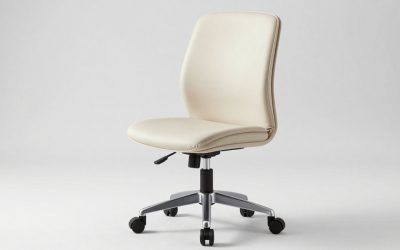
- Top Pick: N-GEN GAMING Gaming Chair with Footrest, Lumbar, High-Back, All Black
- Best Value: Yaheetech Gaming Chair with Footrest Massage Lumbar Pillow Black and White
- Premium Choice: GTPLAYER Gaming Chair, Computer Chair with Footrest and Lumbar Support, Height Adjustable Game Chair with 360°-Swivel Seat and Headrest and for Office or Gaming (Pearl White)
Affiliate disclosure: As an Amazon Associate we earn from qualifying purchases. This post contains affiliate links — if you buy through them we may earn a small commission at no extra cost to you. This never affects our recommendations.
Gaming chairs are typically designed for average-to-tall builds, leaving shorter gamers with dangling feet, seat pans that cut into the back of the knee, and lumbar pillows that hit the wrong part of the spine. The result is discomfort within an hour that taller users simply don’t experience. The fix isn’t a special “petite” product line — it’s knowing which standard chairs have low minimum seat heights, shorter seat depths, and lower lumbar positioning.
For this list we prioritized chairs with minimum seat heights at or below 18 inches, seat depths under 20 inches, and lumbar support positioned low enough to contact the L4-L5 region for a 5’2″ to 5’5″ frame. All five options come in under $80, making them accessible picks that don’t require a premium spend to get a proper fit.
In a hurry? See the top-rated Gaming Chairs for Short People deals available right now:
🛒 Check Gaming Chairs For Short People Prices on Amazon →🛒 Best Price Today on Amazon
Prime members get fast, free shipping on everything above, plus member-only deals. New members get a 30-day free trial — cancel anytime.
Start 30-Day Prime Free Trial →See Today’s Amazon DealsTop Picks at a Glance
| Product | Best For |
|---|---|
| NEO CHAIR High Back Mesh | Best overall fit for short gamers |
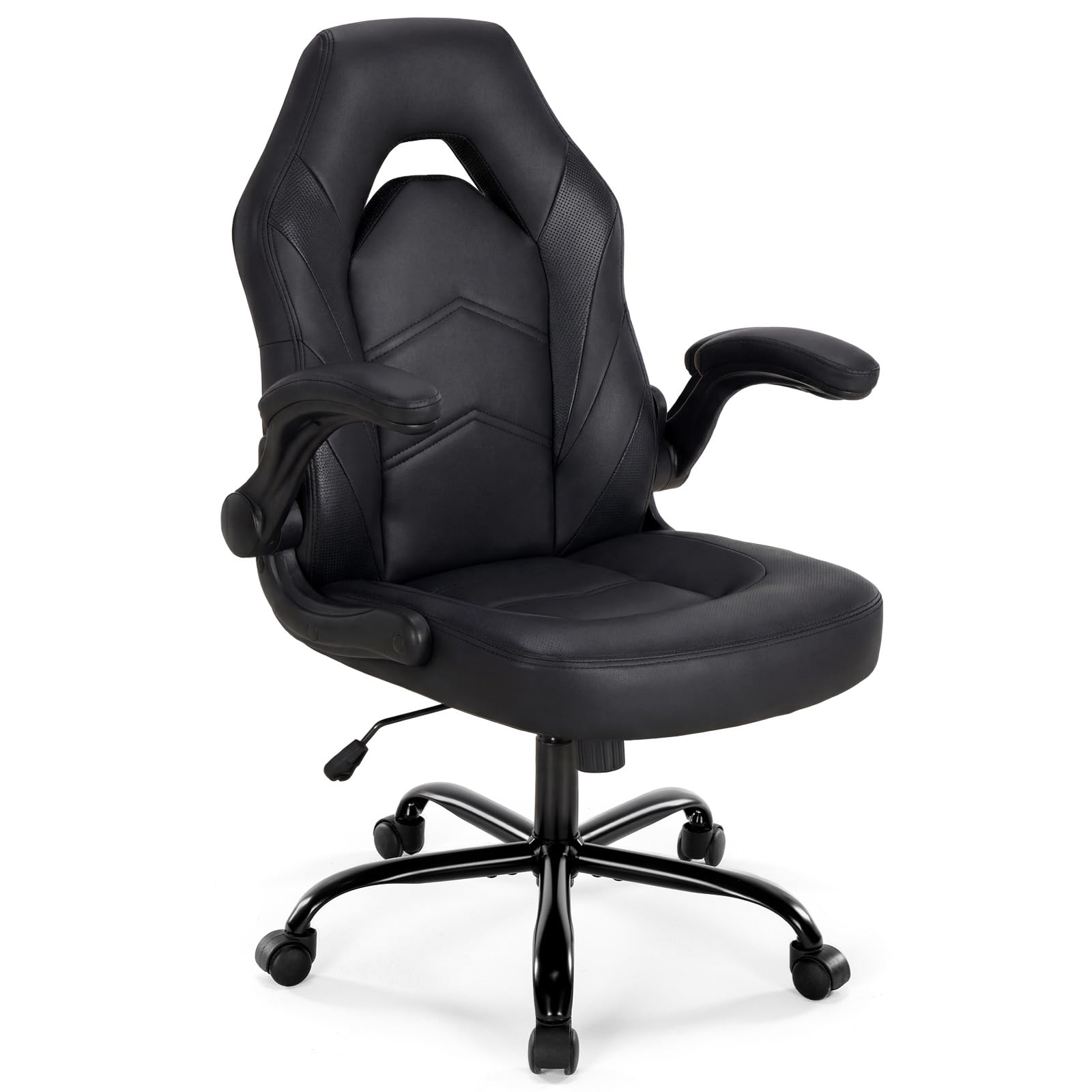
| Gaming Chair with Footrest | Footrest for dangling feet |
| DUMOS Ergonomic PU Leather | Budget PU with compact dimensions |
| Gaming Chair with Footrest v2 | Extra padding with footrest |
| Gaming Chair with Massage | Massage lumbar for tension relief |
As an Amazon Associate we earn from qualifying purchases at no extra cost to you.


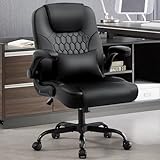


NEO CHAIR High Back Mesh
The NEO CHAIR’s mesh construction and compact seat pan make it the top pick for shorter gamers. The minimum seat height of 16.5 inches means most 5’0″ to 5’4″ users will have feet flat on the floor without adjustment. The mesh back promotes airflow and the lumbar support pillow positions lower than most racing chairs, aligning better with a shorter torso’s lumbar curve.
- Pros: Low 16.5″ minimum seat height, breathable mesh, compact seat pan, budget price
- Cons: Armrests are basic 1D, mesh less cushioned than PU alternatives
Gaming Chair Ergonomic with Footrest
For gamers whose feet still don’t reach the floor even at minimum seat height, a built-in footrest is the practical solution. This chair’s extendable footrest removes the need for a separate footstool while the 135-degree recline makes the footrest functional for rest periods. Lumbar and headrest pillows are included and detachable.
- Pros: Extendable footrest, 135-degree recline, lumbar and headrest pillows, affordable
- Cons: PU leather runs warm, seat depth may still be long for very short users under 5’1″
DUMOS Ergonomic PU Leather
The DUMOS offers a compact overall profile in PU leather with a seat that’s slightly shallower than competitors at this price. Height adjusts from 17 to 20 inches, covering 5’2″ to 5’8″ comfortably. The backrest reclines to 155 degrees and armrests have height adjustment. It’s a no-frills ergonomic chair at a competitive price for shorter frames.
- Pros: Shallower seat depth, 155-degree recline, height-adjustable arms, simple assembly
- Cons: PU leather only, basic lumbar pillow, limited color options
Gaming Chair with Footrest v2
A step up in padding over the around $64 version, this chair uses thicker foam seat cushioning that shorter users benefit from because it keeps the seat at a consistent height without compression bottoming out. The footrest extends smoothly and the high back covers the full spine. Best for gamers who want more cushion comfort with footrest utility.
- Pros: Thicker seat cushioning, extendable footrest, high backrest, adjustable recline
- Cons: Slightly heavier, PU leather only, footrest hinge stiffens over time
Gaming Chair with Massage
The massage lumbar feature on this chair uses a USB-powered vibration cushion that helps relieve lower-back muscle tension — a common complaint for shorter gamers whose lumbar support pillow sits imperfectly. It’s a practical workaround: even if the lumbar pillow doesn’t align perfectly, the massage function addresses the tension that results. The footrest is included.
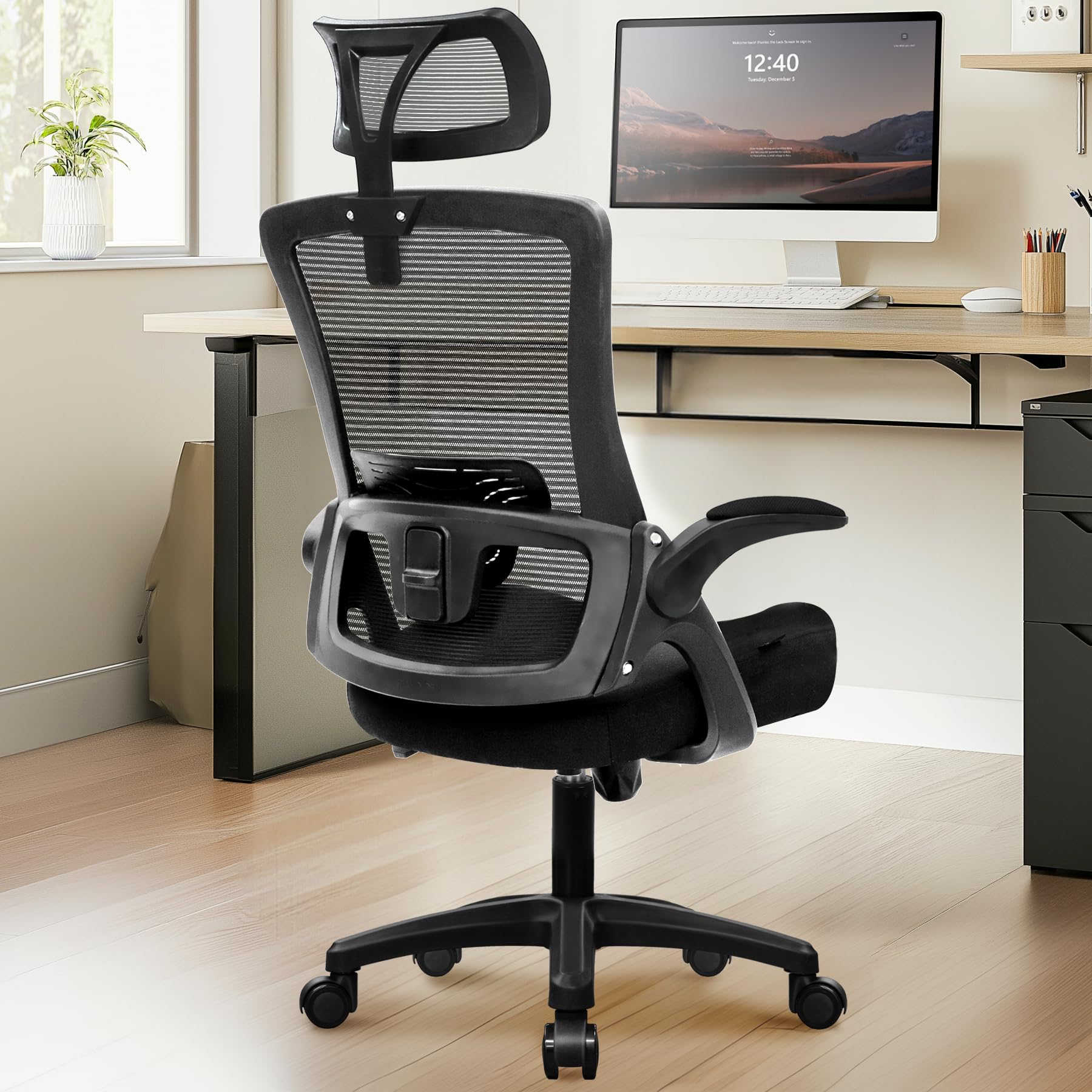
- Pros: Massage lumbar cushion, footrest included, USB-powered (no batteries), recline to 135 degrees
- Cons: Massage is vibration-only (not shiatsu), PU leather, basic build at this price
Buying Guide
Seat Height: The Most Critical Measurement
For shorter gamers, minimum seat height is the single most important spec. At correct seat height, both feet rest flat on the floor with knees at 90 degrees. Most gaming chairs have a minimum seat height of 17.5 to 19 inches — fine for 5’5″ and above, but too high for 5’2″ and under. Look for chairs that drop to 16 or 16.5 inches. If your ideal chair’s minimum height is still too tall, a footrest (either built-in or purchased separately) is the correct fix — do not lower your desk to compensate.
Seat Depth and Knee Clearance
Seat depth is the front-to-back length of the sitting surface. Standard gaming chairs run 18 to 22 inches deep. For a 5’2″ frame, a 21-inch seat depth means the front edge of the seat presses into the back of the knee, restricting circulation and causing leg numbness. Target seat depths of 17 to 19 inches. If a specific chair doesn’t list seat depth, look for user photos showing the knee gap — there should be two to three finger widths of clearance.
Lumbar Pillow Position
Detachable lumbar pillows on standard gaming chairs often sit at a height calibrated for 5’8″ to 6’0″ frames. For a 5’3″ user, the pillow lands in the mid-back rather than the lumbar region, providing no meaningful support. When evaluating chairs, check whether the lumbar pillow strap allows low enough positioning. Alternatively, choose mesh chairs with built-in S-curve backrests that naturally follow the spine regardless of torso length.
Footrests: Built-In vs Separate
Built-in footrests are convenient but typically work best with reclined positions — they’re designed for rest, not active gaming posture. For active gaming, a separate footrest platform that sits on the floor under your desk is more practical. It holds your feet at the correct height without requiring you to recline. Either solution works; the key is that your feet should never dangle unsupported during a session.
Armrest Height
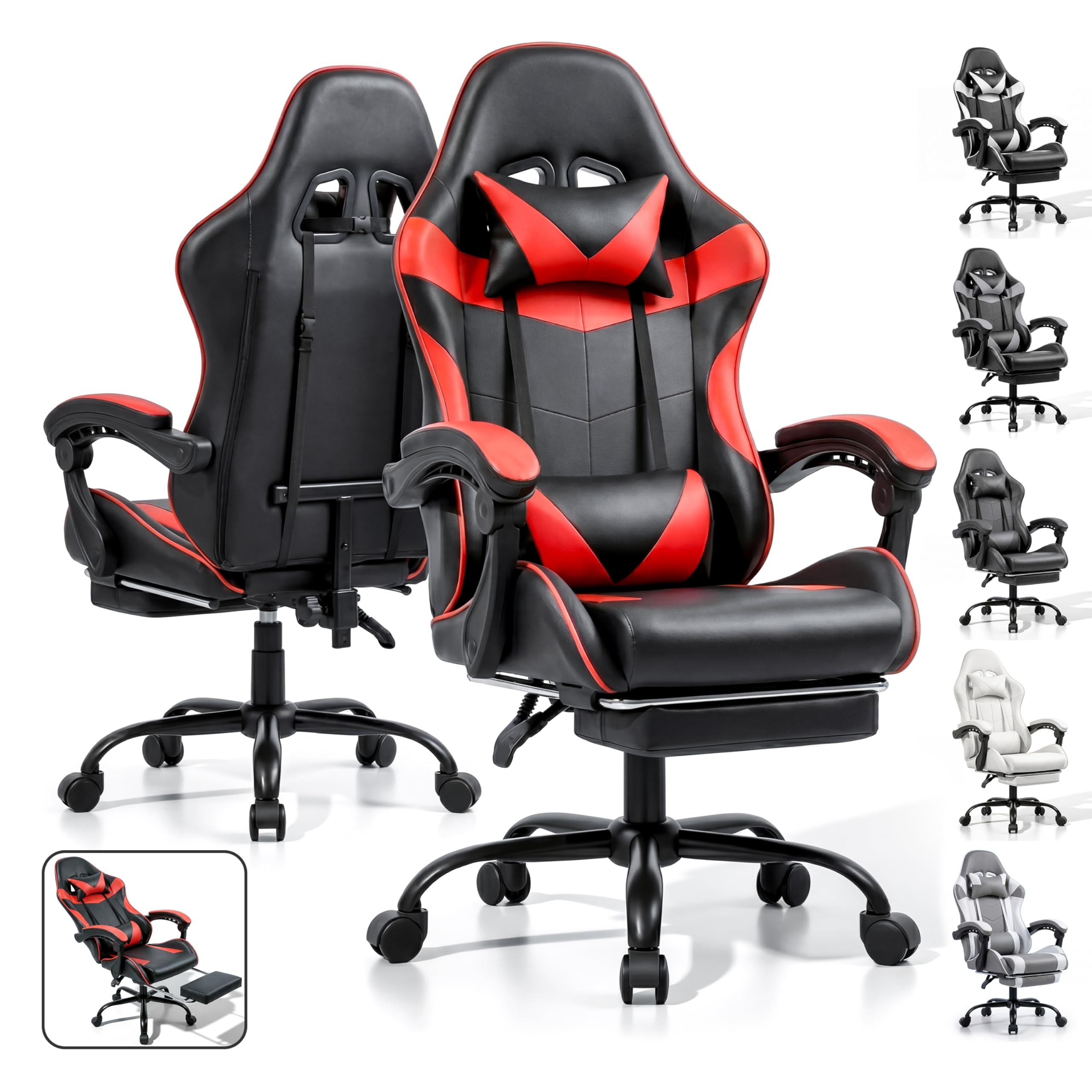
Shorter users often find armrests too high even at minimum height, pushing the shoulders up and causing neck strain. Look for chairs with a wide armrest height range that bottoms out at 8 inches from the seat surface or lower. 4D armrests that also pivot inward are helpful for narrower shoulder widths common at shorter frames.
FAQ
What seat height is right for someone 5’2″?
At 5’2″, a seat height of approximately 15.5 to 16.5 inches is typically correct for feet-flat-on-floor posture. If you wear shoes while gaming, add 0.5 to 1 inch. Many chairs won’t drop this low — in that case, a floor footrest is the practical solution.
Can I use a standard gaming chair if I’m short?
Yes, with a footrest to compensate for excess seat height. The other issue — seat depth — is harder to work around without an actual chair that fits. If a standard chair’s seat is too deep, you’ll be forced to sit without back support or with your knees squeezed by the front edge.
Are gaming chairs with footrests good for short people?
Yes, chairs with built-in footrests are practical for short gamers, especially for rest or content-watching postures. For active gaming, a separate floor footrest is better because it supports an upright seated position without requiring recline.
What’s the weight limit concern for petite gamers?
Weight limits are rarely a concern for shorter, lighter users — most chairs are rated 250 to 300 pounds. The fit dimensions matter far more than the weight rating for gamers in the 100 to 140 pound range.
Verdict
The NEO CHAIR High Back Mesh at around $64 is the best starting point for short gamers thanks to its low seat height and compact proportions. If your feet still don’t reach the floor, add the Gaming Chair with Footrest at around $64 instead. Both options solve the core fit problem without spending over $80. Avoid tall bucket-style racing chairs unless you’re pairing them with a dedicated floor footrest.
Related Articles
Looking for more on this topic? Browse the hand-picked guides below — each one applies the same scoring rubric used in this review.
Frequently Asked Questions
Why do most gaming chairs feel too big?
The racing-style category is designed around a frame of roughly 5 feet 9 inches to 6 feet 2 inches. Seats are typically 20 inches deep and lifts start at 18 inches from the floor, which leaves shorter users with dangling feet and a seat edge cutting into the back of the knees.
What minimum seat height should I look for?
You want the seat to drop to around 16-17 inches so your feet rest flat with knees near 90 degrees. Many chairs bottom out at 18 inches. Check the minimum height specification carefully, and if a chair you love only goes to 18 inches, a shorter aftermarket gas cylinder solves it cheaply.
Is a footrest a reasonable substitute for a low seat?
It is a valid and inexpensive solution. A footrest restores the 90 degree knee angle and takes pressure off the thighs. The remaining problem is seat depth, which a footrest cannot fix. If the seat is too deep, you either lose lumbar contact or lose thigh support; adding a lumbar cushion helps.
What seat depth suits someone under 5 feet 6 inches?
Around 17-19 inches usually works. Deeper seats force you to sit forward and abandon the backrest entirely, defeating the point of the lumbar support. Chairs with a sliding seat pan are ideal since they let you set the depth precisely rather than hoping the fixed dimension happens to fit.
Should I consider a youth or compact gaming chair?
Compact and youth models from established brands genuinely fit smaller frames better, with narrower seats, lower lifts and shorter backrests. Verify the weight rating, since some youth chairs cap around 180-200 pounds. A compact adult ergonomic office chair is often the better long-term choice than a youth-branded racing seat.
Ready to decide? Our #1 pick for 2026 is the NEO CHAIR High Back Mesh.
Live price & availability on Amazon.