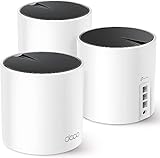
- Top Pick: ASUS RT-AX86U (AX5700) Dual Band WiFi 6 Extendable Gaming Router, 2.5G Port, Gaming Port, Mobile Game Mode, Port Forwarding, Subscription-Free Network Security, Instant Guard, VPN, AiMesh Compatible
- Best Value: TP-Link AX1800 WiFi 6 Router (Archer AX21 V5)
- Premium Choice: NETGEAR Nighthawk WiFi 6 Router (RAX36) – Router Only, AX3000 3 Gbps Wireless Speed – Dual-Band Gigabit Internet – Covers 2,000 sq. ft., 25 Devices – Built-in VPN, USB 3.0, Gaming
Affiliate disclosure: As an Amazon Associate we earn from qualifying purchases. This post contains affiliate links — if you buy through them we may earn a small commission at no extra cost to you. This never affects our recommendations.
- What Makes Control D Different
- Speed & Performance
- Filtering Features
- How to Set Up
- Pros & Cons
- Gaming-Specific Use Case
- Control D vs Quad9 vs Cloudflare
- Multi-User Household Setup
- Time-Based Filtering (Teams Tier Only)
- Troubleshooting Control D Issues
- Gaming Console Setup
- Performance Optimization
- FAQ
- Final Verdict
- Advanced Configuration & Monitoring
- Regional DNS Variations
- Gaming Platform-Specific Notes
- Related Articles
- Frequently Asked Questions
- Related Articles
If Cloudflare is the speed king and Quad9 is the security king, Control D is the customization king. This Estonian DNS service lets you filter ads, malware, and content on a per-app or per-device basis—so you can block TikTok on your kid’s phone but not on your gaming rig.
For multi-gamer households, Control D is a game-changer. You get 4–9ms latency (second only to Google in raw speed), transparent pricing, and granular control over what gets blocked where. This is impossible with Cloudflare or Quad9 alone.
In a hurry? See the top-rated Control D DNS deals available right now:
🛒 Check Control D Dns Prices on Amazon →As an Amazon Associate we earn from qualifying purchases at no extra cost to you.


🛒 Best Price Today on Amazon
Prime members get fast, free shipping on everything above, plus member-only deals. New members get a 30-day free trial — cancel anytime.
Start 30-Day Prime Free Trial →See Today’s Amazon DealsWhat Makes Control D Different
Most DNS services are all-or-nothing: either everything is filtered, or nothing is. Control D lets you create rules like “block YouTube on this device” or “block ads everywhere except gaming devices.” This is powerful for households where parents want parental controls but gamers need full internet access for streaming, Discord, and game downloads.
Control D is built on the premise that different users need different rules. Instead of one network-wide policy, you create profiles and assign devices to profiles. Each profile enforces different blocking rules, making it ideal for families with diverse needs.
Speed & Performance
Latency averages 4–9ms, competing with Google for fastest DNS worldwide. This speed comes from data centers distributed across Europe, US, and Asia. Uptime is 99.99% SLA (though Control D doesn’t publish detailed metrics like Cloudflare). Reliability shows fallback to secondary servers automatically if primary is under load, ensuring consistent performance during peak hours.
Filtering Features
Free tier offers basic DNS with no filtering—just faster than your ISP. Pro tier (around $1/month or $14/year) includes ad-blocking, malware filtering, and adult content filtering applied blanket-style to your entire network. Teams tier ($2/month or $20/year) enables per-device rules where you set different profiles for different family members or gaming systems, with each profile enforcing different blocking rules.
The Teams tier is where Control D shines for gamers: set a “Gaming PC” profile with minimal filtering, and a “Family Tablet” profile with strict controls—both using the same DNS infrastructure.
How to Set Up
Go to Control D’s website, generate configuration for your router, paste it into your router’s DNS settings. Device-specific setup involves Control D providing DNS addresses for each profile (e.g., specific IPs for “Gaming” vs “Family”). Setup takes 5 minutes with no VPN client required—it’s pure DNS, so no CPU overhead or speed penalty from extra software.
Pros & Cons
Pros include very fast performance (4–9ms), per-device filtering (best feature), cheap pricing ($14/year for Teams), transparent pricing and features, no app required (pure DNS), and works on any device. Cons include smaller company size with less public information than Cloudflare, free tier having no filtering, functional but not polished UI, and potentially slow support response times.
Gaming-Specific Use Case
You’re a parent who games. Set up Control D Teams ($20/year) and create three profiles: Gaming PC (no filtering, access to Discord/Twitch/YouTube), Kids iPad (blocks malware/ads/adult content), and Living Room TV (blocks ads and NSFW for general browsing). All three devices use Control D’s fast DNS, and each profile enforces different rules. This is impossible with Cloudflare or Quad9 without buying additional software.
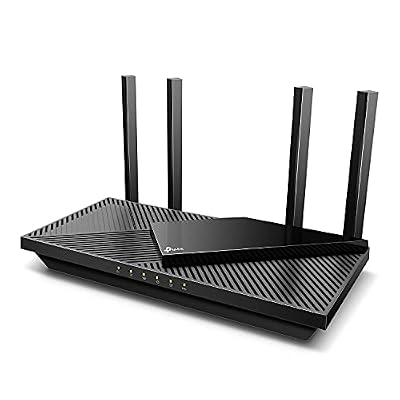
TP-Link Dual-Band AX3000 Wi-Fi 6 Wireless Gigabit Internet Router for Home | EasyMesh, VPN Clients & Server, HomeShield, OFDMA, MU-MIMO, USB 3.0, Secure by Design - Archer AX55


As an Amazon Associate we earn from qualifying purchases. Product prices and availability are accurate as of the date/time indicated.

TP-Link AX3000 WiFi 6 Router, 2 x 2.5 Gbps Ports (Archer AX55 Pro) | Multi Gigabit Wireless Internet, Dual Band, VPN Router, OFDMA, MU-MIMO, USB 3.0, WPA3, Compatible with Alexa


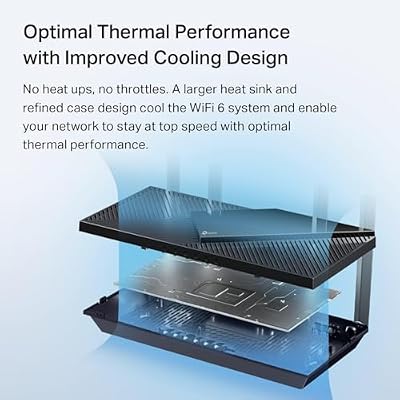
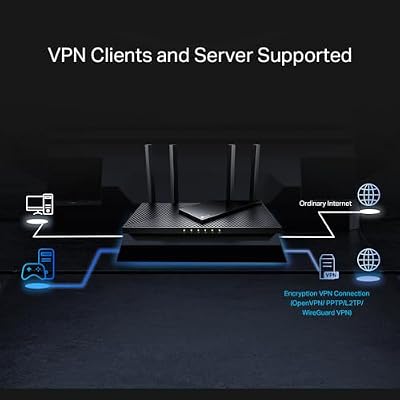

As an Amazon Associate we earn from qualifying purchases. Product prices and availability are accurate as of the date/time indicated.
TP-Link AX3000 WiFi 6 Router, 2 x 2.5 Gbps Ports (Archer AX55 Pro) | Multi Gigabit Wireless Internet, Dual Band, VPN Router, OFDMA, MU-MIMO, USB 3.0, WPA3, Compatible with Alexa
As an Amazon Associate we earn from qualifying purchases. Product prices and availability are accurate as of the date/time indicated.
Control D vs Quad9 vs Cloudflare
| Feature | Control D | Cloudflare | Quad9 |
|---|---|---|---|
| Latency | 4–9ms | 5–10ms | 8–15ms |
| Per-Device Rules | Yes (Teams) | No | No |
| Default Filtering | None (Free) | None | Malware only |
| Cost (Best Tier) | $14/year | Free | Free |
| Best For | Multi-gamer households | Raw speed + privacy | Security + no logging |
Multi-User Household Setup
Control D shines in multi-user households. Create profiles for each person: Gaming PC (minimal filtering), Kids Tablet (strict blocking), Parent’s Phone (ad-blocking only). Each profile uses different DNS addresses that Control D generates. Set the profile-specific DNS on each device, and that device’s rules apply automatically.
This is impossible with Cloudflare or Quad9 without buying additional software or manually configuring per-device rules on each device. Control D makes it effortless—you configure once, then each device simply uses its assigned DNS.
Time-Based Filtering (Teams Tier Only)
NextDNS supports time-based rules; Control D does not. If time-based blocking is important (e.g., “block YouTube after 10pm”), NextDNS is better. Control D’s Teams tier ($20/year) focuses on per-device rules, not time-based rules. This is a key difference if parental controls are your primary use case.
Troubleshooting Control D Issues
Occasionally, a legitimate domain gets misclassified as “adult content” by Control D’s categorization system. If a game domain is blocked, you can whitelist it manually in your Control D dashboard (requires the web interface). This takes 30 seconds and permanently fixes the issue for that domain.
Gaming Console Setup
Control D works seamlessly on PS5, Xbox Series X/S, and Nintendo Switch. Set the DNS address in each console’s network settings, and filtering applies at the network level—no per-console configuration needed. This is superior to app-based parental controls, which require installation on each device.
Performance Optimization
Control D’s 4–9ms latency is competitive with the fastest providers. The speed comes from their optimized infrastructure and geographic proximity to gaming servers. For comparison, traditional ISP DNS often runs 10–30ms due to suboptimal routing. Control D’s smart routing ensures your queries go to the nearest fast server.
Combining Control D’s customizable filtering with mesh Wi-Fi and hardwired ethernet creates the ultimate multi-gamer network where each user gets their own optimized experience.
TP-Link Dual-Band AX3000 Wi-Fi 6 Wireless Gigabit Internet Router for Home | EasyMesh, VPN Clients & Server, HomeShield, OFDMA, MU-MIMO, USB 3.0, Secure by Design - Archer AX55
As an Amazon Associate we earn from qualifying purchases. Product prices and availability are accurate as of the date/time indicated.
TP-Link AX3000 WiFi 6 Router, 2 x 2.5 Gbps Ports (Archer AX55 Pro) | Multi Gigabit Wireless Internet, Dual Band, VPN Router, OFDMA, MU-MIMO, USB 3.0, WPA3, Compatible with Alexa
As an Amazon Associate we earn from qualifying purchases. Product prices and availability are accurate as of the date/time indicated.
TP-Link AX3000 WiFi 6 Router, 2 x 2.5 Gbps Ports (Archer AX55 Pro) | Multi Gigabit Wireless Internet, Dual Band, VPN Router, OFDMA, MU-MIMO, USB 3.0, WPA3, Compatible with Alexa
As an Amazon Associate we earn from qualifying purchases. Product prices and availability are accurate as of the date/time indicated.
FAQ
Will Control D work on my console? Yes. Set DNS in your PS5, Xbox, or Nintendo Switch settings to Control D’s addresses, and filtering applies at the network level. Can I mix Control D with a VPN? Yes. Control D is DNS-only, so it works with or without a VPN. VPN goes on top of DNS for IP masking; DNS filtering stays below. If a game domain gets misclassified, can it hurt gameplay? Extremely unlikely. Game servers are not categorized as “adult content,” so they won’t be blocked even on strict family profiles. Is Control D’s data logging a concern? Control D publishes a privacy policy but is less transparent than Cloudflare. If hardcore privacy is a must, Cloudflare or Quad9 are safer bets.
See also: Cloudflare vs Quad9 comparison
See also: Eero Pro 7 mesh systems
Final Verdict
Control D is the best DNS for multi-gamer households where household members need different filtering rules. Speed is excellent, price is fair, and per-device control is industry-leading at this price point. If you’re a solo gamer, Cloudflare is still the cheapest (free) and nearly as fast. But if you’re managing a household—balancing parental controls, gaming access, and privacy—Control D is worth the $14/year. Combine it with mesh Wi-Fi routers and hardwired connections for optimal network performance.
Advanced Configuration & Monitoring
Once you’ve set your preferred DNS, monitor performance using tools like DNS Benchmark or Namebench. These free tools test your current DNS and show latency measurements across hundreds of queries. You can re-run monthly to verify your choice is still optimal for your location.
Some routers have built-in DNS monitoring. Check your router’s admin panel for DNS logs or statistics. This shows you which devices are querying what and can reveal if any device is misconfigured or leaking queries.
Regional DNS Variations
DNS latency varies by region. Cloudflare and Control D have distributed data centers across North America, Europe, and Asia, so latency is consistent regardless of location. ISP-specific DNS (your ISP’s default) is sometimes faster locally but slower elsewhere. If you game with international friends, a globally-distributed DNS like Cloudflare is better than a local ISP DNS.
Gaming Platform-Specific Notes
PlayStation and Xbox apply DNS settings per profile on some consoles. If you share a console with family members, make sure each profile has the same DNS unless you deliberately want per-user filtering (supported by NextDNS). Nintendo Switch DNS applies network-wide, not per-profile.
Test your DNS change by opening a game and checking matchmaking time. Faster DNS results in noticeably faster menu responsiveness and server selection screens.
Related Articles
Looking for more on this topic? Browse the hand-picked guides below — each one applies the same scoring rubric used in this review.
Frequently Asked Questions
What makes Control D different from other DNS filters?
Its distinguishing feature is per-domain and per-service rules with three outcomes rather than two: allow, block, or redirect through a proxy location. That last option lets you send only specific services through another region while everything else takes the direct route, which is more surgical than a full VPN.
Can it reduce gaming latency?
DNS resolution happens before a match starts, so it does not touch in-game latency. Fast resolvers make launchers, stores, and patch servers respond more quickly. Any perceived improvement during play comes from blocking background telemetry and ad traffic that was competing for bandwidth, not from DNS itself.
Does it work on consoles?
Yes, by entering the resolver addresses in the console network settings. Because consoles do not support encrypted DNS or profile-based identification, you authorise your home IP address in the dashboard so the resolver knows which profile to apply. Dynamic IP addresses need the updater utility to keep that authorisation current.
How does it compare with NextDNS?
Both offer filtering, logging, and encrypted DNS at similar prices. NextDNS leans toward blocklist breadth and simplicity, while Control D emphasises granular per-service rules and geographic redirection. Users who want to unblock one specific service without routing everything elsewhere generally prefer Control D.
Is the query logging a privacy concern?
Any hosted resolver can see the domains you request, which is inherent to the model. Control D lets you disable logging entirely or set a short retention window, and choosing that is sensible if you only want filtering. Self-hosting remains the option for anyone unwilling to trust a provider at all.