When you upgrade a GPU or swap a CPU platform, the old part doesn’t have to sit in a drawer. Buyback programs and trade-in services will take working components off your hands for cash or store credit, and for anything less than five years old, that’s usually better than letting it depreciate further in a closet. The catch is that buyback offers are almost always lower than what you’d get selling direct to another builder, because the service is pricing in resale risk, testing labor, and their own margin.
This guide covers how buyback pricing actually works, which parts hold value well enough to bother, and when you’re better off selling peer-to-peer instead.
How buyback pricing works
Buyback services (think of the trade-in arms of large electronics retailers, or dedicated PC parts buyback sites) quote you a price based on model, condition, and current secondary market demand. That quote typically sits 20-40% below what the same part sells for on a peer-to-peer marketplace. You’re trading that gap for speed, no listing hassle, no buyer flaking, and no shipping disputes.
Most services follow the same basic flow: you enter the model number, answer a few condition questions, get a provisional quote, then ship the part in. They inspect and test it, and the final payout can drop if the part doesn’t match your description, if it fails a stress test, or if the market price moved while it was in transit. That last point matters more for GPUs than anything else, since GPU resale value can shift 10-15% in a few weeks around new product launches.
Which parts are worth buying back
Not everything is worth the shipping box. Here’s roughly how different categories hold up:
| Component | Typical resale retention (2-3 yrs old) | Worth a buyback program? |
|---|---|---|
| GPU (mid/high-end) | 40-60% of original price | Yes, especially right before a new generation launches |
| CPU | 30-50% | Only if socket is still current; otherwise barely worth shipping |
| Motherboard | 20-35% | Rarely, demand is low and buyback quotes reflect that |
| RAM (DDR4/DDR5) | 15-30% | Usually not, prices track spot DRAM pricing closely |
| PSU | 10-25% | Almost never, few services even accept them |
| Case / cooling | varies widely | Not accepted by most buyback services |
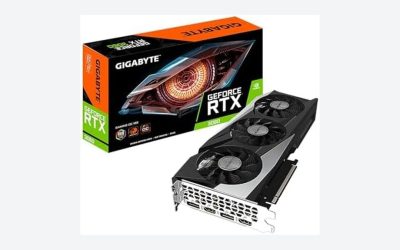
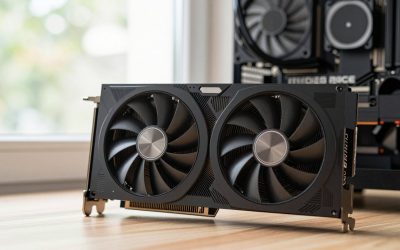
GPUs are the one category where buyback programs make the most sense, because demand is constant and testing is straightforward (run a benchmark, check for artifacts, done). If you’re deciding whether to trade in or keep running an older card while you shop for a replacement, it’s worth checking current listings for graphics cards find alternatives first, since the price gap between your old card’s buyback value and a new card’s cost tells you whether upgrading now actually makes sense or whether you should wait a generation.
Condition issues that tank your quote
Buyback quotes assume “fully functional, no physical damage, all original.” Here’s what actually gets flagged during inspection:
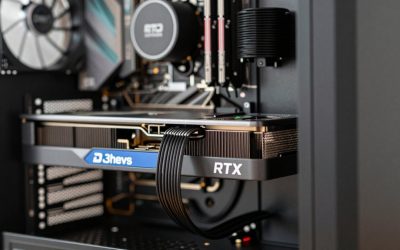
- Bent GPU PCIe pins or a sagging cooler shroud — common on cards that ran without a support bracket for years, and it’s an automatic condition downgrade.
- Missing CPU box or stock cooler — some services dock 10-15% for incomplete retail packaging even if the chip itself is fine.
- Thermal paste residue or visible dust buildup — cosmetic, but it signals “not well maintained” to an inspector, and some will quote lower before even testing.
- Failed stress test — a GPU that artifacts under load or a CPU that won’t hold rated boost clocks gets reclassified as “parts only,” which can cut the payout by half or more.
Clean the part, reapply thermal paste if you’re sending a CPU with its cooler, and keep the original box if you still have it. These take fifteen minutes and can be the difference between a top-tier quote and a downgraded one.
Buyback vs. selling it yourself
The honest trade-off is money versus time. A direct sale on a local marketplace or forum classifieds section will usually net you more, but you’re dealing with lowball offers, meetup logistics, and the small risk of a chargeback scam if you accept payment apps. Buyback skips all of that for a flat, guaranteed number.
As a rule of thumb: if the part is worth under $150, buyback is almost always the better use of your time, since the dollar gap versus selling direct isn’t worth the hassle. Above $300, especially for a GPU, it’s worth spending the extra hour listing it yourself, because the absolute dollar difference gets large enough to matter. In between, it depends on how much you value not dealing with buyers.
Timing matters more than condition
GPU and CPU resale value drops hardest in the month after a new generation launches, often 15-20% in a matter of weeks. If you know you’re upgrading soon, get your buyback quote locked in before new hardware ships rather than after. Once you’ve got the replacement in hand, don’t let the old part sit around “just in case” for more than a month or two; that’s exactly when depreciation eats the value you were trying to recover. If you’re mid-upgrade and comparing what a new CPU or CPU cooler will cost against what your current setup trades in for, run that math before you buy rather than after, since it changes whether upgrading now is actually worth it.