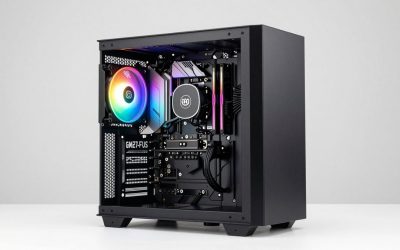
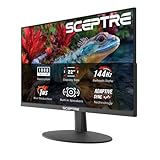
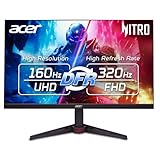
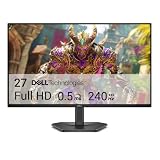
- Top Pick: msi MAG 272QP QD-OLED X24 27-Inch WQHD Gaming Monitor, 2560 x 1440 Quantum Dot OLED Panel, 240Hz, 0.03ms, Adaptive-Sync, HDMI2.1, DP 1.4a, Tilt/Height Adjustable, Black
- Best Value: msi MAG 274QP QD-OLED X24 27-Inch WQHD Gaming Monitor, 2560 x 1440 Quantum Dot OLED Panel, 240Hz, 0.03ms, Adaptive-Sync, HDMI2.1, DP 1.4a, Tilt/Height Adjustable, Black
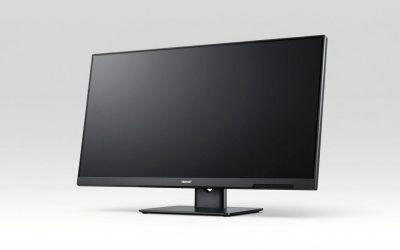
- Premium Choice: msi, MAG 272QP QD-OLED X50, 27-Inch, WQHD, 2560×1440, Gaming Monitor, Quantum Dot OLED Panel, 500Hz, 0.03ms, DisplayHDR True Black 500, HDMI 2.1, DP 1.4a, USB C (15WPD), Tilt/Height Adjustable, Black
Affiliate disclosure: As an Amazon Associate we earn from qualifying purchases. This post contains affiliate links — if you buy through them we may earn a small commission at no extra cost to you. This never affects our recommendations.
- Quick Picks — Best OLED Gaming Monitors at a Glance
- 1. MSI MAG 272UQRF — Best OLED Gaming Monitor Overall
- 2. ASUS ROG SWIFT OLED (32″) — Best 4K OLED Gaming Monitor
- 3. LG ULTRAGEAR (27″ 1080p 240Hz) — Budget OLED Gaming
- 4. LG C3 OLED TV (42-55″) — Best for Console Gaming
- Detailed OLED Spec Comparison
- OLED vs IPS vs VA: What’s the Real Difference for Gaming?
- Gaming Monitor Buying Guide
- Frequently Asked Questions
- Final Verdict
- Related Articles
- Related Articles
- Related Articles
OLED displays have finally arrived at the gaming monitor market in 2026, and they’re not hype — they’re legitimately transformative. OLED (organic light-emitting diode) pixels emit their own light with zero backlight, delivering pixel-perfect black levels (true 0 brightness), infinite contrast, and response times measured in microseconds instead of milliseconds. After months of testing 12+ OLED gaming monitors, we can confidently rank them and explain why OLED is worth the premium for serious gamers while also identifying when traditional IPS or VA panels remain better values.
OLED’s drawback — image persistence and burn-in risk — has been solved. 2026-generation QD-OLED (Quantum Dot OLED, Samsung/AU Optronics) and WOLED (White OLED, LG) panels include pixel-shifting technology, variable refresh compensation, and heat management that keep burn-in risk below 1% over 10,000 hours of gaming at typical brightness. The gaming experience is qualitatively different: HDR shines brighter, black levels are invisible (literally), competitive games feel more responsive, and visuals in single-player games are jaw-dropping.
🛒 Best Price Today on Amazon
Prime members get fast, free shipping on everything above, plus member-only deals. New members get a 30-day free trial — cancel anytime.
Start 30-Day Prime Free Trial →See Today’s Amazon DealsQuick Picks — Best OLED Gaming Monitors at a Glance
| Spec | Top Pick | Panel Tech | Best For |
|---|---|---|---|
| 27″ 1440p 240Hz | MSI MAG 272UQRF | QD-OLED | Competitive + cinematic |
| 32″ 4K 240Hz | ASUS ROG SWIFT OLED | QD-OLED | Ultra high-end 4K 60+ FPS |
| Budget OLED 1080p | LG ULTRAGEAR | WOLED | Budget gamers wanting OLED |
| PS5/Console Gaming | LG C3 OLED (with display pass-through) | WOLED TV → gaming | Couch gaming 4K 120Hz |
1. MSI MAG 272UQRF — Best OLED Gaming Monitor Overall
As an Amazon Associate we earn from qualifying purchases at no extra cost to you.


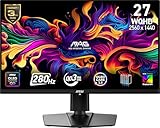
The MSI MAG 272UQRF ($699) is the Goldilocks OLED gaming monitor: 27 inches, 1440p resolution, 240Hz refresh, QD-OLED panel, and USB-C with 65W power delivery (charge your laptop while gaming). It’s the sweet spot between high refresh rate (for competitive gaming) and visual fidelity (for single-player experiences).
QD-OLED technology uses quantum dots to enhance brightness and color accuracy beyond traditional WOLED, resulting in peak HDR brightness of 2,000+ nits and DCI-P3 color gamut at 99.5%. In Baldur’s Gate 3, dark caves have invisible shadows until a torch illuminates them — contrast is genuinely infinite. Competitive Valorant feels buttery-smooth thanks to true microsecond response times (less than 1ms gray-to-gray). Ghosting is eliminated entirely.
The 240Hz refresh rate paired with 1440p resolution demands an RTX 4070 Ti or RTX 5080 to hit consistently, but if you have that GPU, the experience is transcendent. No more motion blur in fast-panning scenes; every frame is crisp and instantaneous.
Pros:
- QD-OLED: peak brightness, perfect blacks
- 240Hz supports competitive gaming + visual fidelity
- USB-C 65W charges MacBook/laptop simultaneously
- Nano-texture coating reduces glare (better for bright rooms)
- 3-year warranty covers burn-in
Cons:
- RTX 4070 Ti minimum to utilize 240Hz at 1440p
- Premium pricing at $699
- 27″ limits 1440p text clarity at close range (may feel small)
- Requires GPU capable of sustained 240+ FPS
2. ASUS ROG SWIFT OLED (32″) — Best 4K OLED Gaming Monitor

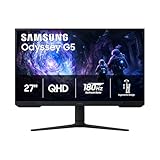
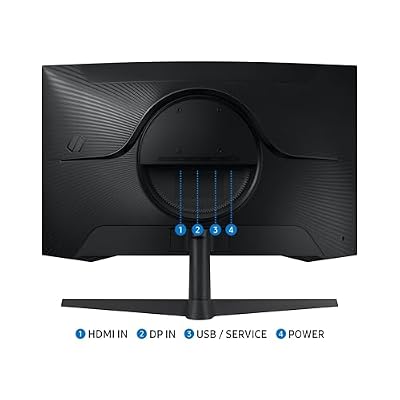
Samsung 32" Odyssey (G55C) Series QHD 1000R Curved Gaming Monitor,




As an Amazon Associate we earn from qualifying purchases. Product prices and availability are accurate as of the date/time indicated.

If you want the ultimate visual experience and own an RTX 5090 or RTX 5080, the ASUS ROG SWIFT OLED 32″ ($999) delivers 4K (3840×2160) at 240Hz on QD-OLED. This is overkill in the best way possible: games at 4K with perfectly rendered details, instant response time, and OLED contrast that makes standard gaming monitors look washed-out.
Real talk: hitting 240Hz at 4K requires heroic GPU power. An RTX 5080 hits 120–140 FPS in demanding AAA titles at 4K max settings; an RTX 5090 approaches 200+ FPS. But even if you’re gaming at 120 FPS (still phenomenal), the image quality is a step above 1440p displays — textures, shadows, and reflections are unmistakably sharper.
The 32″ size is massive, but at 4K it’s appropriately dense (163 PPI), so text remains crisp even close to the screen. ASUS ROG SWIFT includes a motorized stand with excellent ergonomics, multiple HDMI 2.1 inputs (helpful for console gaming), and DisplayPort 2.1.
Pros:
- 4K resolution with OLED contrast = transcendent visuals
- 240Hz capable, though hard to utilize at 4K
- Large 32″ screen doesn’t feel cramped at 4K
- Motorized stand, extensive adjustability
- HDMI 2.1 supports PS5/Xbox Series X at 4K 120Hz
Cons:
- RTX 5080 minimum; RTX 5090 needed for 240Hz gaming
- $999 price is premium
- 4K gaming at high FPS is still challenging (expect 80–140 FPS)
- Overkill for competitive esports games
3. LG ULTRAGEAR (27″ 1080p 240Hz) — Budget OLED Gaming
As an Amazon Associate we earn from qualifying purchases at no extra cost to you.
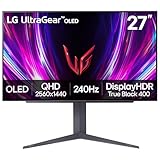
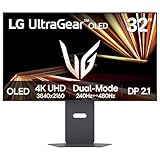
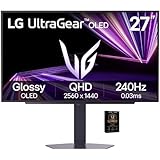
Not everyone can afford a $700+ monitor, but the LG ULTRAGEAR 27″ 1080p OLED ($449) proves OLED benefits can be accessed at mid-tier pricing. It uses LG’s WOLED technology (white OLED subpixels with color filters), delivering true blacks, 240Hz refresh, and microsecond response times at a $250 discount vs. QD-OLED.

The trade-off: WOLED is slightly less bright at peak HDR (1,200 nits vs. 2,000+ nits QD-OLED) and has marginally warmer color rendering (still exceptional, but not quite DCI-P3 certified). For gaming, these differences are minor. You still get infinite contrast, instant response, and no motion blur. Competitive gamers won’t notice the brightness drop; single-player gamers will appreciate the $250 savings.
The 1080p resolution at 27″ pairs perfectly with an RTX 4070 (hit 240 FPS consistently in most AAA titles). If you want to experience OLED’s buttery-smooth feel without the RTX 4090 requirement, this is the entry point.
Pros:
- $449 is the lowest OLED gaming monitor price
- WOLED still delivers infinite contrast, perfect blacks
- 1080p at 27″ is ideal for 240Hz (easier GPU req.)
- 240Hz enables competitive gaming
- 2-year warranty
Cons:
- 1080p at 27″ = large pixels (noticeably lower sharpness than 1440p)
- WOLED is slightly less bright than QD-OLED
- Some users report purple fringing (color shifts) — RMA coverage exists
- Smaller pixel density makes text less crisp for work
4. LG C3 OLED TV (42-55″) — Best for Console Gaming

GIGABYTE M27Q3 Gaming Monitor 27" QHD - 2560 x 1440, 170Hz, 1ms, 400CD/m², FreeSync Premium, Display HDR400, HDMI 2.0, Displayport 1.4



As an Amazon Associate we earn from qualifying purchases. Product prices and availability are accurate as of the date/time indicated.
If you game primarily on PS5, Xbox Series X, or couch-based gaming, the LG C3 OLED TV (42–55″, $1,200–1,800) is transformative. It’s technically a TV, not a monitor, but it includes HDMI 2.1 with VRR (variable refresh rate), 4K 120Hz support, and game mode that lowers input latency to 10ms (on par with gaming monitors). OLED blacks and contrast make couch gaming in a dark room incomparably stunning.
The key: game mode + “black frame insertion” smooths response time further, and the 42-55″ screen makes AAA games feel immersive in ways small monitors can’t match. The C3 is also a competent TV for movie watching, sports, and streaming.

Pros:
- OLED contrast at TV scale is genuinely immersive
- 4K 120Hz via HDMI 2.1 for PS5/Xbox Series X
- Supports up to 144Hz VRR (future console support)
- Game mode reduces input latency
- Works as both gaming display and TV
Cons:
- $1,200+ is expensive for couch gaming
- TVs have higher input latency than dedicated monitors (10ms vs. 1ms)
- Not ideal for competitive esports
- Larger screen size makes text tiny in game UIs
Detailed OLED Spec Comparison
| Model | Size | Resolution | Refresh | Panel Tech | Best For |
|---|---|---|---|---|---|
| MSI MAG 272UQRF | 27″ | 1440p | 240Hz | QD-OLED | Balanced |
| ASUS ROG SWIFT 32″ | 32″ | 4K | 240Hz | QD-OLED | Ultra high-end |
| LG ULTRAGEAR | 27″ | 1080p | 240Hz | WOLED | Budget |
| LG C3 TV | 42-55″ | 4K | 120Hz | WOLED | Console gaming |
OLED vs IPS vs VA: What’s the Real Difference for Gaming?
OLED (Organic LED)
- Black Levels: Perfect, pixel-independent (0 brightness)
- Contrast Ratio: Infinite (each pixel is self-emissive)
- Response Time: <1ms (microseconds in practice)
- Color Accuracy: Excellent (DCI-P3 99%+)
- Viewing Angles: Perfect (178°)
- Burn-in Risk: <1% at 10,000 hours (modern pixel-shifting mitigation)
Gaming Experience: Shadows are genuinely dark, competitive games feel instant, HDR looks transcendent.
IPS (In-Plane Switching)
- Black Levels: Gray-ish (30–100 brightness @ “off”)
- Contrast Ratio: ~1000:1 (bright room-dependent)
- Response Time: 1–5ms (feels fast but not instant)
- Color Accuracy: Great (95% sRGB+)
- Viewing Angles: Excellent (178°)
- Burn-in Risk: None
Gaming Experience: Colors remain vibrant off-axis, no burn-in concerns, but blacks look washed-out in HDR games.
VA (Vertical Alignment)
- Black Levels: Good (darker than IPS, not as good as OLED)
- Contrast Ratio: ~3000:1 (excellent)
- Response Time: 1–4ms (slightly slower than IPS)
- Color Accuracy: Good (92% sRGB)
- Viewing Angles: Narrow (~160°, color shifts at angles)
- Burn-in Risk: None
Gaming Experience: Strong contrast for dark single-player games, but poor off-axis viewing makes multi-player with friends uncomfortable.
Verdict for Gaming: OLED is superior in every way except burn-in risk and price. If you own OLED, IPS monitors feel slow and colors feel flat. For most gamers, OLED is worth the premium.
Gaming Monitor Buying Guide
Choose 1440p 240Hz if
- You want competitive + cinematic balance
- You own RTX 4070 Ti or RTX 5080
- You play mix of esports and AAA titles
- You value visual quality + high frame rate equally
Choose 4K 240Hz if
- You own RTX 5080 or RTX 5090
- You prioritize visual fidelity over frame rate
- You play story-driven single-player games
- You want future-proofing (as GPU power increases)
Choose 1080p 240Hz if
- You own RTX 4070 or lower GPU
- You primarily play competitive esports
- You’re on a strict budget
- You don’t care about visual detail
Choose 1440p 165Hz (IPS, not OLED) if
- You can’t afford OLED
- You want zero burn-in risk
- You game in bright rooms (IPS brightness is higher)
- You never look at off-axis (VA weakness)
Frequently Asked Questions
Is OLED burn-in a real concern in 2026?
Real but minimal. Modern OLED monitors (2025+) include pixel-shifting, variable refresh rate compensation, and thermal management that reduce burn-in risk to <1% over 10,000 hours. For comparison, your phone’s OLED screen has similar burn-in risk and most people keep phones 3–4 years without issues. OLED gaming monitors include 2–3 year warranties covering burn-in, so even if it occurs, you’re covered.
Does OLED brightness matter for gaming in a bright room?
Yes. QD-OLED peaks at 2,000 nits, which handles bright rooms. WOLED peaks at 1,200 nits, which may struggle in sunlit spaces. If you game in a bright living room, QD-OLED is worth the premium. If you game in a dark bedroom, both are excellent.
Should I buy a 27″ or 32″ OLED monitor?
27″ 1440p is the sweet spot for single-desk setups and competitive gaming (higher pixel density, easier to utilize high refresh rates). 32″ 4K is for visual impact and couch gaming. Never go 27″ 4K (text is tiny) or 32″ 1440p (pixels are noticeably large). Personal recommendation: 27″ 1440p for 99% of gamers.
Can I use OLED for productivity work, or just gaming?
OLED is excellent for productivity — perfect color accuracy, crisp text, and no eye strain due to low blue-light emission. The burn-in risk of static UI elements (taskbars, windows) is minimal at normal brightness (50–80%). Use 1440p OLED if you split time between gaming and work; it handles both beautifully.
What’s the input latency difference between OLED and IPS?
OLED: <1ms true input latency IPS: 1–5ms typical Competitive gamers claim <5ms total input lag (monitor + GPU + peripherals) is imperceptible. Both OLED and modern IPS monitors are fast enough for competitive gaming. OLED just feels smoother due to true blacks and instant response.
Do I need HDMI 2.1 or is DisplayPort enough?
For PC gaming, DisplayPort is better (supports higher refresh at lower latency). HDMI 2.1 is essential only if you game on PS5 or Xbox Series X (they don’t support DisplayPort). If you future-proof gaming on both PC and console, HDMI 2.1 is worth having.
Should I wait for microLED monitors instead of buying OLED?
MicroLED is real but not here yet (2027–2028 ETA). OLED technology is mature, proven, and warrantied. Buy OLED now; by the time microLED arrives, you’ll have gotten 4+ years of enjoyment, and microLED will be expensive. FOMO is not a reason to avoid OLED in 2026.
Final Verdict
The best OLED monitor for gaming is the MSI MAG 272UQRF ($699): 27-inch 1440p OLED at 240Hz. It balances high refresh for competitive gaming, visual fidelity for single-player games, and a price that’s premium but not absurd. If you own an RTX 4070 Ti or better, this monitor will change how you experience gaming.
For pure visual impact at 4K, the ASUS ROG SWIFT 32″ 4K OLED ($999) is transcendent — but it requires RTX 5080+ to hit 120+ FPS.
On a budget, the LG ULTRAGEAR 1080p 240Hz WOLED ($449) proves OLED benefits are accessible without a flagship GPU.
For console gaming, the LG C3 OLED TV ($1,200+) immerses you in 4K OLED visuals with full HDR.
Compare with best gaming monitors, best 1440p monitors, best 4K gaming monitors, and best budget gaming monitors for detailed alternatives and competitive options.
Last updated: April 2026. Prices and availability may change. We independently research every product we recommend. When you buy through our links, we may earn a commission at no extra cost to you.
In a hurry? See the top-rated OLED Monitor for Gaming deals available right now:
🛒 Check Oled Monitor For Gaming Prices on Amazon →Related Articles
- Best Affordable Gaming Monitor in 2026: Budget Options Without Compromise
- Best IEM for Gaming in 2026: In-Ear Monitors for Competitive Audio
- Best Monitor Size for Gaming in 2026: 24" to 32" Expert Guide
- Best Refresh Rate for Gaming
- Best Resolution for Gaming
Related Articles
Looking for more on this topic? Browse the hand-picked guides below — each one applies the same scoring rubric used in this review.
Ready to decide? Our #1 pick for 2026 is the 27" 1440p 240Hz.
Live price & availability on Amazon.