

🛒 Best Price Today on Amazon
Prime members get fast, free shipping on everything above, plus member-only deals. New members get a 30-day free trial — cancel anytime.
- Top Pcvr Headset Pimax Crystal Super Picks for 2026
- What actually matters when buying a PCVR headset in 2026
- At-a-glance: 2026 PCVR headset ranking
- 1. Pimax Crystal Super — the new PCVR image king
- 2. Meta Quest 3 — the smartest first PCVR headset for almost everyone
- 3. Varjo Aero — the prosumer sim purist’s choice
- 4. Bigscreen Beyond 2e — the comfort king with OLED magic
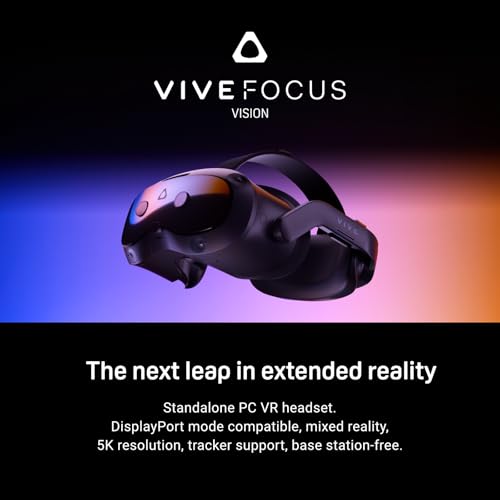
- 5. HTC Vive Focus Vision — wired-PCVR + standalone hybrid
- 6. Pimax Crystal Light — the mid-range Crystal experience
- 7. Meta Quest 3S — the entry-level PCVR doorway
- Setup and calibration tips for serious PCVR in 2026
- FAQ
- Final verdict — the gpcg pick for 2026
- Related Guides
- Frequently Asked Questions
- Related Articles
Top Pcvr Headset Pimax Crystal Super Picks for 2026
Here are our current top pcvr headset pimax crystal super picks, compared on real Amazon owner reviews, price, and features. Live prices update below.
As an Amazon Associate we earn from qualifying purchases at no extra cost to you.




Top Rated
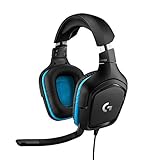
Pimax Crystal Super Ultra Wide QLED Virtual Reality Headset with Controllers
View on Amazon.com


PCVR in 2026 has split into two completely different worlds, and pretending otherwise is how buyers end up with the wrong headset bolted to their face for three years. On one side you have the visual maximalists — Pimax Crystal Super, Varjo Aero, Bigscreen Beyond 2e — chasing the dream of forgetting you’re in a headset entirely. On the other side, Meta keeps shipping $300 to $600 standalones that secretly turn into pretty capable PCVR rigs the moment you tap your password into Steam Link. The gap between those two camps is wider than it has ever been, and the right answer depends almost entirely on what you actually do inside the headset.
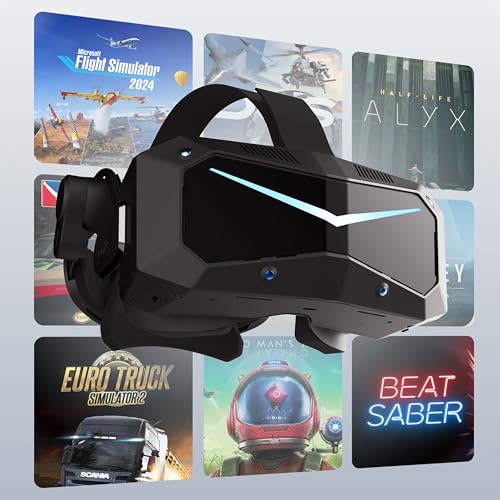
We spent the spring of 2026 strapping every relevant PCVR headset to our heads for sim racing, DCS World, MSFS 2024, Half-Life: Alyx, Beat Saber, VRChat, Skyrim VR with mods, and the new wave of UEVR-injected flatscreen games. That’s important framing: a headset that wins for cockpit sims gets crushed for room-scale shooters, and a headset that nails social VR can be miserable for long flight sessions. We ranked for the buyer who is actually building a PCVR setup in May 2026, with a real GPU behind it and a real wallet limit.
Three headsets dominate the discussion this year: the Pimax Crystal Super at $1,799, the Meta Quest 3 at $499 used over Wi-Fi 6E or USB Link, and the Varjo Aero at around $1,990 (though increasingly hard to find new). Around them sit the Bigscreen Beyond 2e, the HTC Vive Focus Vision, the Pimax Crystal Light, and the still-shipping Meta Quest 3S. Each one solves a different problem. None of them are a clean universal winner, and any guide that tries to pretend otherwise is selling something.
Below is the verdict from our research. We’ve kept it honest about Quest 3’s compression artifacts, Pimax’s software friction, and the comfort issues that anyone who has worn a Crystal for six hours will recognize instantly. If you’re new to PCVR, the takeaway up front: Quest 3 is the smartest first headset for almost everyone, and Pimax Crystal Super is the headset to graduate to when you know you want more pixels than your GPU can comfortably push.
What actually matters when buying a PCVR headset in 2026
Spec sheets lie in VR. A headset with “4K per eye” can look softer than a headset with “2K per eye” if the lenses are bad, the sweet spot is small, or the panel is OLED versus LCD.
Per-eye resolution and pixel density (PPD). Pixels per degree matters more than raw pixel count, because PPD tells you how sharp text and distant objects look. Anything above 30 PPD starts to look “retina-like.” Pimax Crystal Super hits roughly 35 PPD in its 50° FOV mode, the Bigscreen Beyond 2e is around 32 PPD, Varjo Aero is roughly 35 PPD in the center, and Quest 3 lands around 25 PPD. That is the difference between reading a cockpit instrument cluster without leaning forward and squinting at it.
Refresh rate. 90 Hz is the modern minimum. 120 Hz is the sweet spot for fast-paced VR and reduces simulator sickness for sensitive users. Pimax Crystal Super hits 120 Hz natively; Quest 3 runs 120 Hz native (90 Hz over Air Link in most setups); Bigscreen Beyond 2e supports 90 Hz; Varjo Aero is 90 Hz. Higher numbers exist on paper but require GPU horsepower most buyers don’t have.
Lens type. Pancake lenses (Quest 3, Beyond 2e, Crystal Super, Crystal Light) give you edge-to-edge sharpness with no sweet-spot hunting. Aspheric and Fresnel lenses (Varjo Aero, Index, Vive Pro 2) trade some glare and sweet-spot for higher peak clarity in the center. Pancakes have won 2026 in almost every meaningful sense.
Tracking. Inside-out (Quest 3, Crystal Super, Beyond 2e with optional Lighthouse) is plug-and-play and good enough for 95% of titles. Lighthouse / SteamVR base station tracking (Varjo Aero, Index, Beyond with Lighthouse upgrade) is still the gold standard for sub-millimeter precision in rhythm games and serious sim controls. If you don’t already own base stations, factor in another $300+ for a pair.
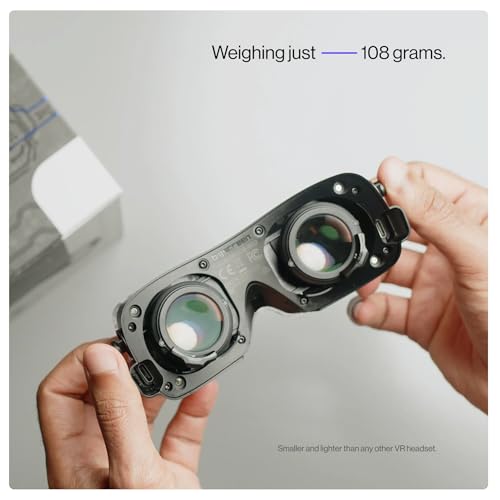
Comfort and weight. Beyond 2e is a featherweight at 108 g — you can wear it for hours. Crystal Super is heavy at roughly 1.1 kg and you feel it on the forehead. Quest 3 is mid-weight but the default strap is mediocre — a BoboVR or Elite strap is basically required.
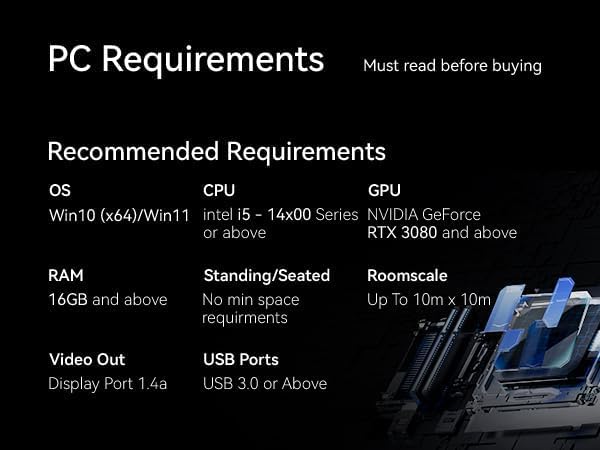
GPU you already own. The brutal truth nobody likes to say: a Pimax Crystal Super on an RTX 4070 is a worse experience than a Quest 3 on an RTX 4070, because you’ll never actually render at native resolution. We’d say RTX 4070 Super is the practical floor for Crystal Super; RTX 4080 Super for comfortable high-detail sims. See our best gaming PC for VR in May 2026 guide for matched builds.
At-a-glance: 2026 PCVR headset ranking
| Headset | Per-eye Res | Refresh | FOV | Best for |
|---|---|---|---|---|
| Pimax Crystal Super | 3840×3840 QLED | 120 Hz | 140° | Sim racing, flight sims, max image quality |
| Meta Quest 3 (PCVR) | 2064×2208 LCD | 120 Hz | 110° | Best all-rounder, mixed reality, value |
| Varjo Aero | 2880×2720 mini-LED | 90 Hz | 115° | Prosumer sims with Lighthouse |
| Bigscreen Beyond 2e | 2560×2560 micro-OLED | 90 Hz | 116° | Lightest headset, OLED blacks, comfort king |
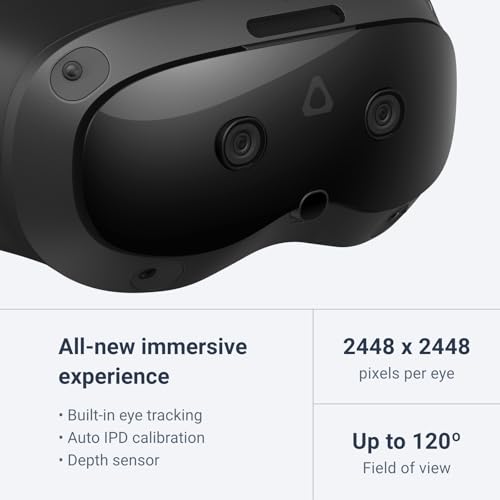
| HTC Vive Focus Vision | 2448×2448 LCD | 90 Hz | 120° | Wired PCVR + standalone hybrid |
| Pimax Crystal Light | 2880×2880 QLED | 120 Hz | 130° | Crystal experience at mid-range price |
| Meta Quest 3S | 1832×1920 LCD | 120 Hz | 96° | Cheapest legitimate PCVR entry point |
1. Pimax Crystal Super — the new PCVR image king
13
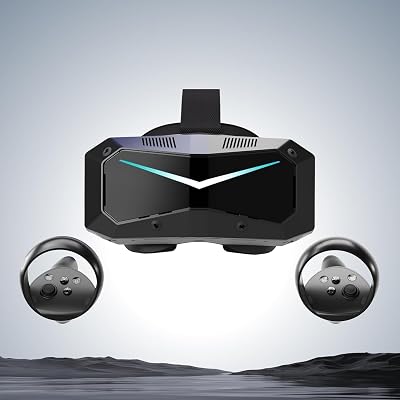
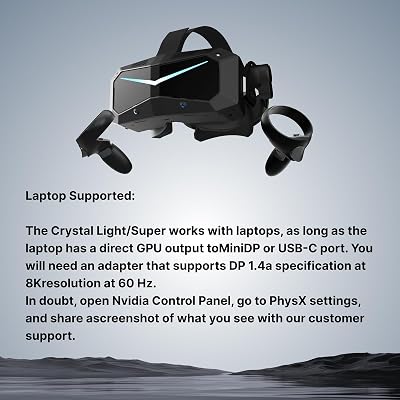
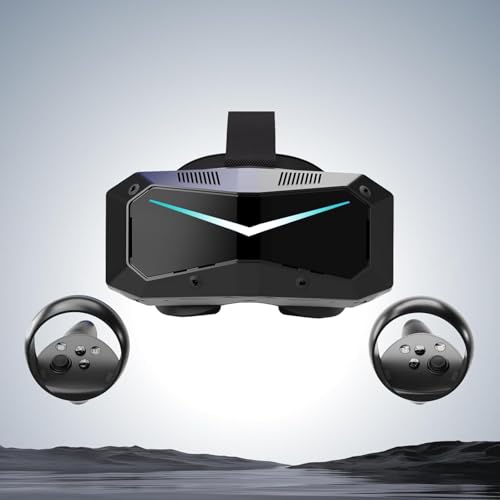
Pimax Crystal Super VR Headset, 3840×3840 per Eye, Ultrawide, 140° FOV, Eye- Tracking, Ultra-Sharp for Flight & Racing Simulators & Gaming, DP Connection with PC
In Stock




As an Amazon Associate we earn from qualifying purchases. Product prices and availability are accurate as of the date/time indicated.
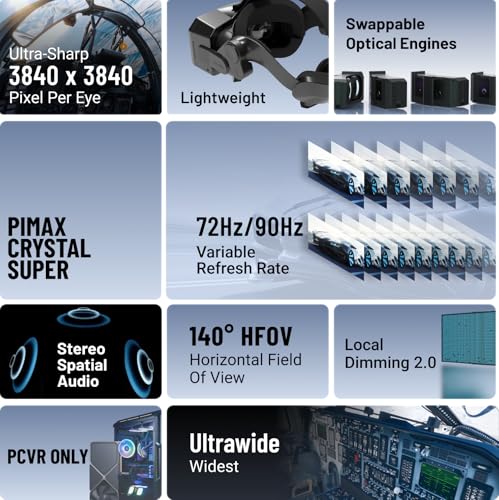
The Pimax Crystal Super is the headset every other PCVR headset in 2026 is now measured against, and after dozens of hours in MSFS 2024 and DCS World we understand why. The 3840×3840 per-eye QLED panel with local dimming produces a level of clarity that genuinely feels like a generational leap — cockpit instruments are readable without leaning in, distant aircraft are spottable as actual silhouettes rather than smudges, and the local dimming gives you OLED-adjacent contrast without OLED’s persistence blur.
The QLED panel is the part Pimax keeps under-marketing. Quantum-dot color combined with mini-LED-style backlight zones means you get punchy, accurate color that looks closer to a modern OLED than a typical LCD VR headset. Night-time content in racing sims (think Le Mans 24h late stints) finally looks right — track lights pop, headlight cones have shape, and the cockpit doesn’t go grey-on-grey the way it does on most LCD headsets.
The 140° FOV is the second thing that surprises people. After years of 110° headsets, the extra horizontal real estate on Crystal Super genuinely changes the experience in cockpit sims — you can see your wingman without turning your head, and peripheral motion cues land where your eyes expect them. Pimax also offers smaller FOV modes (50° wide / 100° standard) that tighten the PPD if you want maximum pixel density for VRChat avatars or static cockpit work.
Eye tracking with dynamic foveated rendering (DFR) is the feature that makes Crystal Super actually viable for buyers with sane GPUs. With DFR enabled in DCS or MSFS, an RTX 4080 Super can drive Crystal Super at very respectable frame rates because only the center 5–10° of vision renders at full resolution. Without DFR you’re going to want an RTX 4090 minimum for anything ambitious.
The honest downsides: the software (Pimax Play) has gotten dramatically better in 2026 but still requires patience and the occasional log dive. Comfort is fine for two-hour sessions but the 1.1 kg weight will catch up with you on a four-hour flight. There’s no integrated audio worth mentioning — plan for off-ear headphones. And the asking price of $1,799 is exactly what it looks like: a serious commitment.
Who should buy: sim racers, flight sim pilots, and anyone who has tried a Quest 3 over PCVR and felt the compression and PPD ceiling pressing down on them. If your main use is social VR or room-scale, this is not your headset.
2. Meta Quest 3 — the smartest first PCVR headset for almost everyone
24
Prime
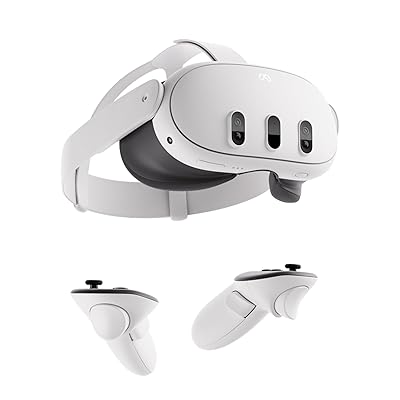
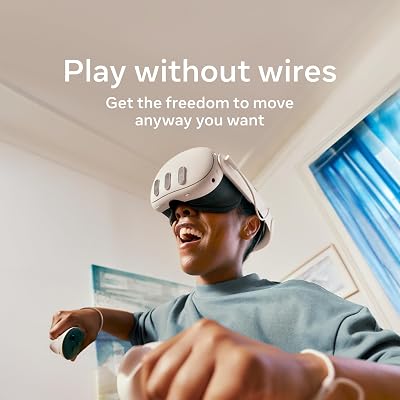
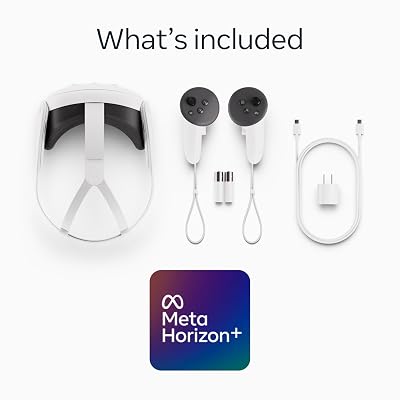
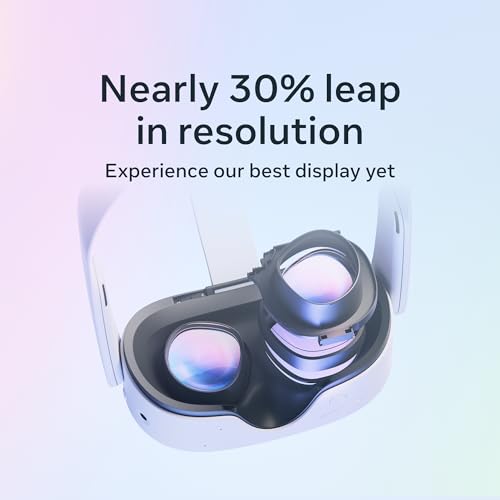
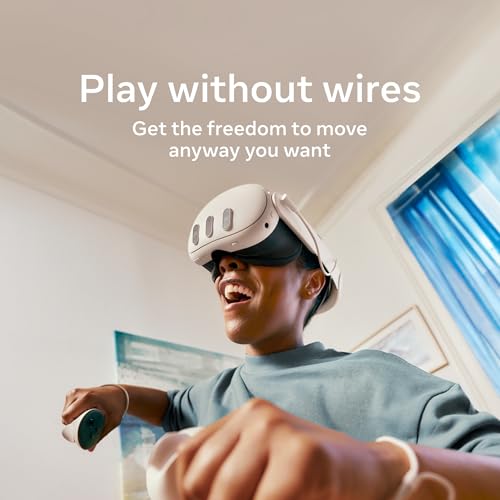
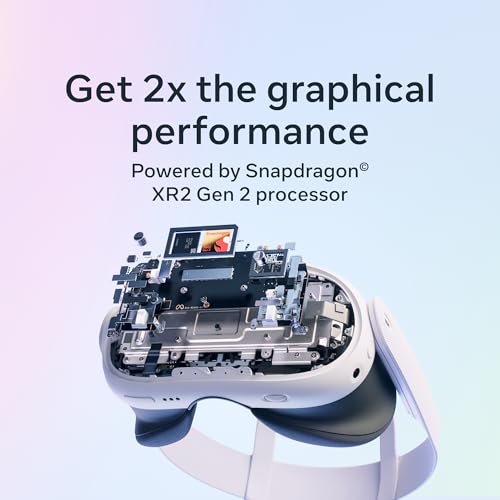
Meta Quest 3 512GB | VR Headset — Thirty Percent Sharper Resolution — 2X Graphical Processing Power — Virtual Reality Without Wires — Access to 40+ Games with a 3-Month Trial of Meta Horizon+ Included
In Stock







As an Amazon Associate we earn from qualifying purchases. Product prices and availability are accurate as of the date/time indicated.
The Meta Quest 3 has quietly become the best-value PCVR headset on the planet, and not just because it costs a third of the alternatives. The combination of a sharp 2064×2208 per-eye pancake-lens display, native 120 Hz refresh, full-color passthrough mixed reality, and Wi-Fi 6E + USB Link PCVR support gives you a headset that does practically everything well enough. The PCVR experience over Steam Link, Virtual Desktop, or Air Link is genuinely good on Wi-Fi 6E routers, and over a $20 USB 3 cable it’s effectively wired-quality.
What surprised us most in 2026 is how viable Quest 3 still is for serious PCVR titles. With Virtual Desktop’s H.264+ or AV1 codec, bitrate cranked to 200–500 Mbps, and a proper 6E router, the image quality holds up well enough to run Alyx, No Man’s Sky VR, the new UEVR-injected releases, and even moderately complex MSFS 2024 setups. You’re not going to spot a distant aircraft the way you can on Crystal Super, and there’s measurable compression on high-contrast edges, but you also paid $499 instead of $1,799.
The pancake lenses are a huge part of this story. Edge-to-edge clarity, almost no glare, and a generous sweet spot mean you don’t have to position the headset perfectly to get the full resolution. After spending hours with Fresnel-lens headsets, returning to pancakes feels like an upgrade you can’t undo.
Mixed reality is the secret weapon that nobody talks about in PCVR comparisons. Being able to see your desk, keyboard, mouse, and coffee mug while wearing the headset transforms long PCVR sessions — you can answer messages, eat food, or just see your dog without breaking immersion. Crystal Super and Beyond 2e are blind-box headsets by comparison.
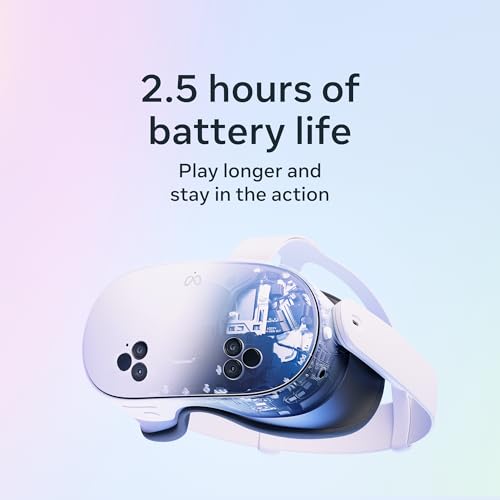
The downsides: PPD is the lowest in this guide at roughly 25, so text-heavy sims (you, DCS players) will feel the resolution ceiling. The default head strap is bad and you’ll want to budget another $40–$90 for an Elite Strap or BoboVR S3 Pro. Battery life on PCVR is essentially unlimited if you cable in but limited to 2–2.5 hours wireless.
Who should buy: anyone buying their first PCVR headset, anyone with a sub-RTX 4080 GPU, anyone who also wants standalone gaming, anyone with a family that shares the headset.
3. Varjo Aero — the prosumer sim purist’s choice
The Varjo Aero, released in late 2021 and still on sale at roughly $1,990 in 2026, refuses to die because nothing else in the prosumer segment quite matches it. Aspheric glass lenses give razor-sharp center clarity, the 2880×2720 mini-LED panels still produce excellent color and contrast, and the headset is engineered around SteamVR Lighthouse tracking for buyers who already own base stations from an Index or Vive Pro 2 setup.
Where Aero still wins: lens sharpness and color accuracy. Even five years after launch, very few headsets match Aero’s center clarity for cockpit work. Sim racers who care about reading lap delta apps or dialing in TC settings on the wheel without leaning forward swear by it. The eye tracking is mature, the integrated automatic IPD adjustment is excellent, and the headset is shockingly comfortable for its weight class.
Where Aero loses in 2026: no integrated audio, requires Lighthouse base stations and Index controllers (or third-party equivalents), no inside-out tracking, and the 90 Hz refresh ceiling feels limiting after spending time with Crystal Super at 120 Hz. The pancake-lens generation has also raised expectations — Aero’s aspheric lenses have measurable sweet-spot hunting that Crystal Super and Beyond 2e simply do not.
The headset is also increasingly hard to source new and Varjo has shifted public focus to its enterprise line. If you can find one at a discount and you already own a SteamVR tracking setup, it remains a credible buy. If you’re starting fresh, the math just doesn’t favor Aero against Crystal Super or Beyond 2e.
Who should buy: existing SteamVR / Lighthouse users with a serious sim rig and a soft spot for aspheric clarity. Everyone else should look at Crystal Super or Beyond 2e first.
4. Bigscreen Beyond 2e — the comfort king with OLED magic

11
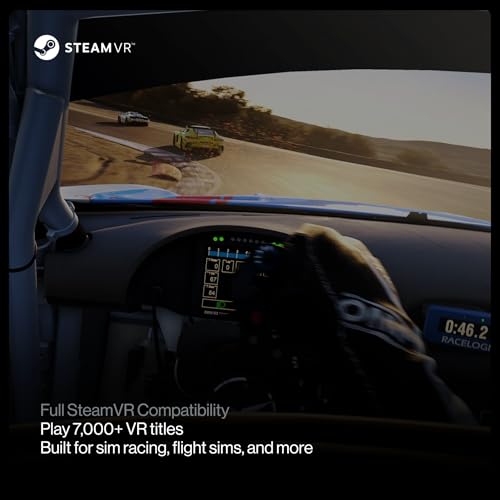
Beyond 2e: Ultra-Light PC VR Headset (108g) Micro-OLED Displays, 2560×2560 per Eye Resolution, 116 FOV, EyeTracking & DFR Play PC VR Games, Flight & Racing Simulators
In Stock
View on Amazon.com



As an Amazon Associate we earn from qualifying purchases. Product prices and availability are accurate as of the date/time indicated.
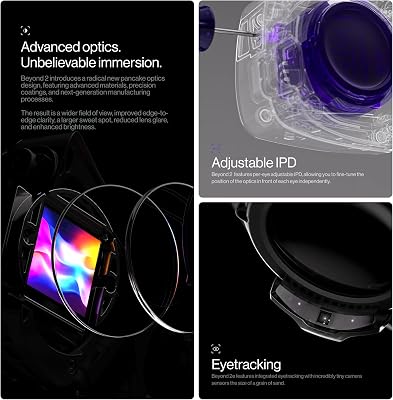
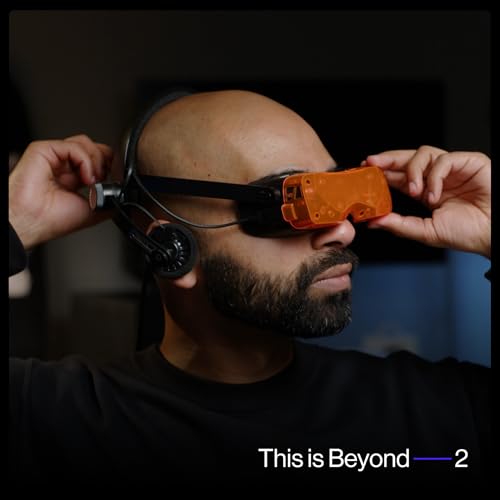
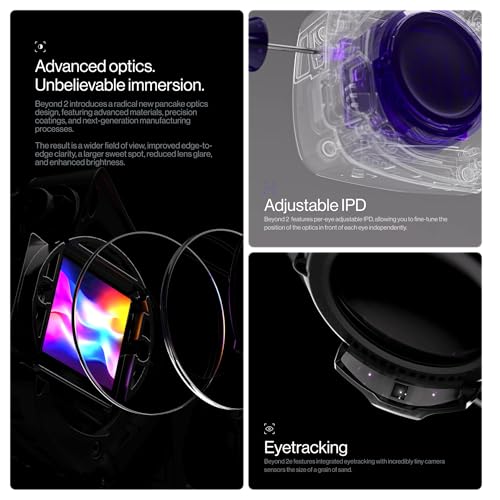
The Bigscreen Beyond 2e is the headset that wins our “wear it forever” award in 2026, and the value proposition is genuinely unique. At 108 grams (you read that right — about the weight of a smartphone), the Beyond 2e is so light that you can wear it for marathon sessions without the forehead pressure that defines longer Pimax or Vive sessions. The 2560×2560 per-eye micro-OLED panels deliver the kind of inky blacks and instant pixel response that LCD-based headsets simply can’t match.
Micro-OLED is the headline feature. In a dark cockpit, a horror game, or space sim like Elite Dangerous, the contrast and black levels are jaw-dropping — there’s no LCD glow, no grey haze, and individual stars genuinely look like points of light against true black. Persistence blur is also dramatically lower than LCD, so fast head movements in DCS or VRChat feel sharper than the spec sheet would suggest.
The custom-fit face interface is the part that scares some buyers off. Bigscreen scans your face from your phone and 3D-prints a custom gasket that mates to the headset. When it works, the fit is glove-like and the light-seal is total. If your face shape is unusual or you wear glasses without contacts, it can be more of a project. The 2e revision (the one you can buy on Amazon today) refines the gasket process and includes a redesigned strap that’s much better than the original Beyond.

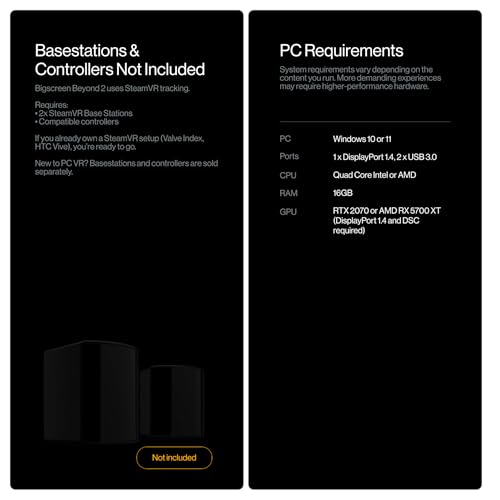
Where Beyond 2e gives ground: requires SteamVR Lighthouse base stations and controllers (factor in $400+ extra if you don’t own them), no inside-out tracking, no integrated battery for standalone use, 90 Hz refresh ceiling, and a smaller FOV than Crystal Super. It is also still not exactly cheap at $1,219 — but compared to Crystal Super and Varjo Aero, it lands as the affordable premium pick.
Who should buy: existing SteamVR users, comfort-prioritizing buyers, people who play story-driven or cinematic VR, and anyone who has tried a heavy headset and bounced off VR because of the weight.
5. HTC Vive Focus Vision — wired-PCVR + standalone hybrid

41
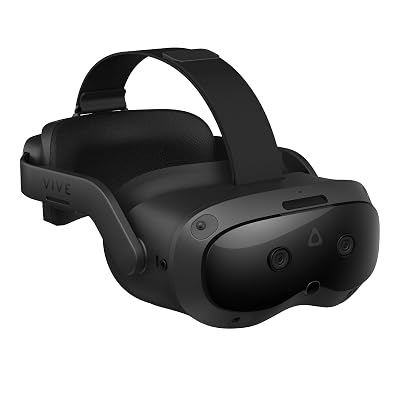
HTC Vive Focus Vision — Mixed Reality and PC VR Headset + Controllers — Consumer Edition
In Stock





As an Amazon Associate we earn from qualifying purchases. Product prices and availability are accurate as of the date/time indicated.
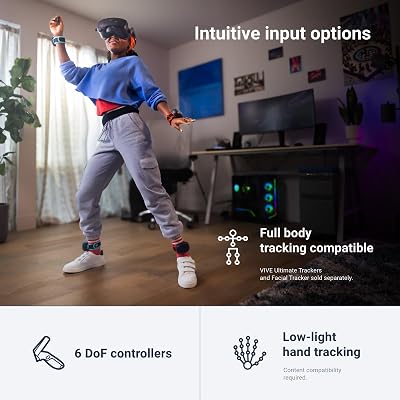
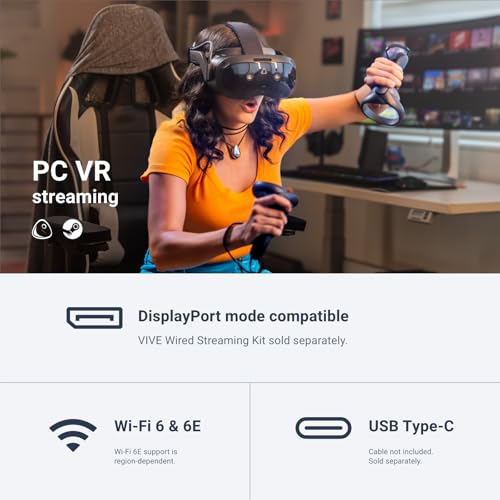
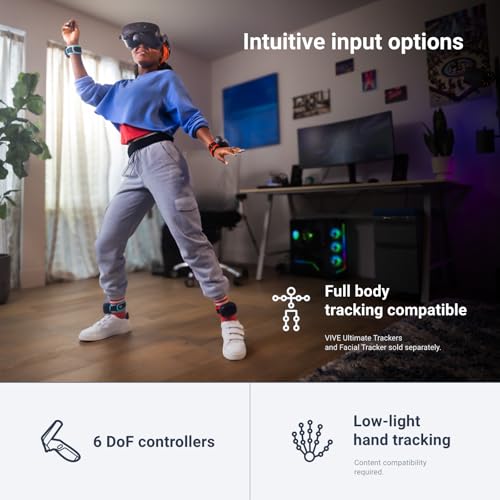
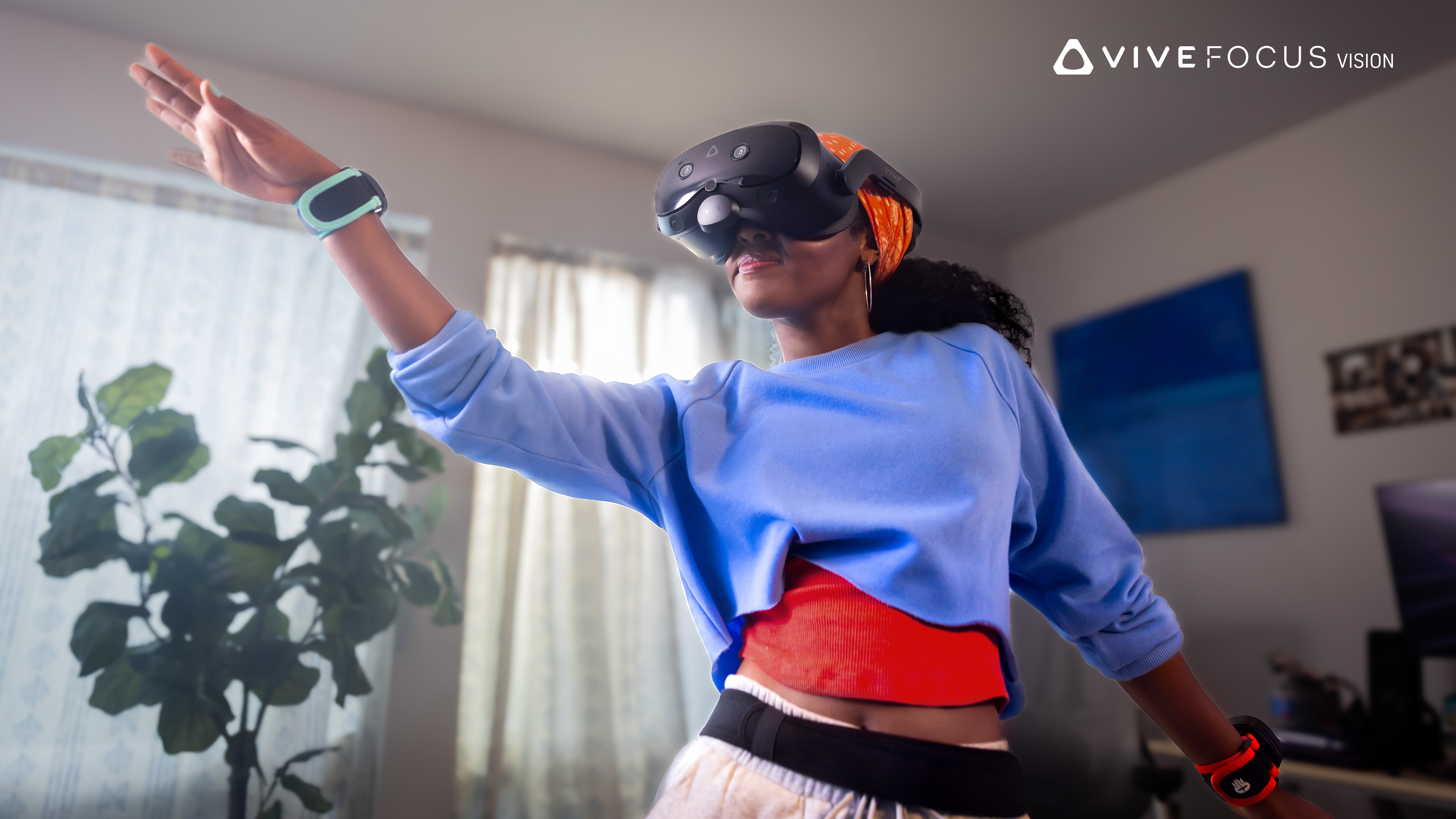
HTC’s Vive Focus Vision is the underdog headset that does an interesting thing: it ships as a standalone wireless headset with optional wired DisplayPort PCVR mode. That means you don’t have to pick between Quest-style standalone convenience and a pure PCVR rig — you get both, with a single $1,149 buy. The 2448×2448 per-eye LCD panel is sharp, the inside-out tracking is solid, and the auto-IPD plus eye tracking are nice premium touches.
Wired PCVR mode is the part HTC under-markets. With a DisplayPort connection, you get uncompressed signal to the headset — no codec artifacts, no Wi-Fi hiccups, just clean rendered frames. Combined with the inside-out tracking and the better-than-Quest pancake lenses, it’s a credible alternative for buyers who want a hybrid headset and don’t want to deal with Pimax software.
Standalone mode runs on a Snapdragon XR2 Gen 2 (similar to Quest 3) with a Viverse content library that is, candidly, much smaller than the Meta store. So the standalone use case is best framed as “convenient demo mode” rather than “primary library.” For PCVR-focused buyers that’s fine.
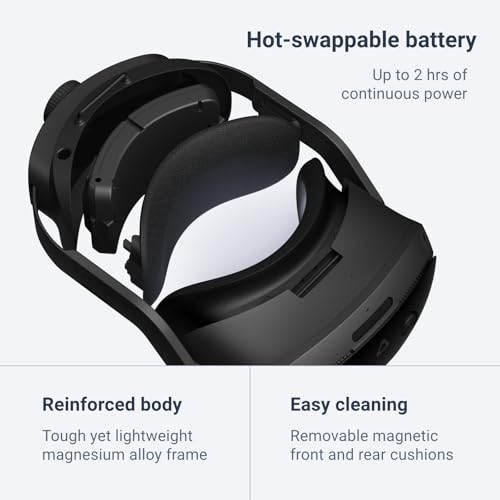
Downsides: the Viverse ecosystem is smaller than Meta’s, the wired PCVR mode requires a separate DP cable purchase, and the controllers are perfectly fine but uninspiring. Battery life in standalone is similar to Quest 3 at roughly 2 hours.
Who should buy: buyers who want both wired PCVR clarity and occasional wireless freedom in one device, and who don’t already have a Quest 3.
6. Pimax Crystal Light — the mid-range Crystal experience
29
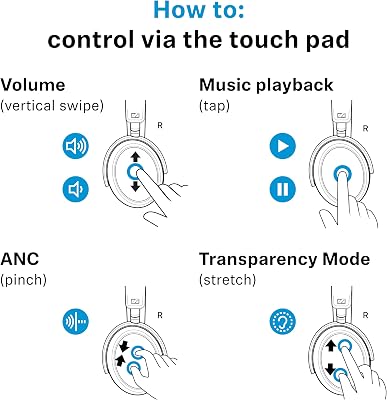
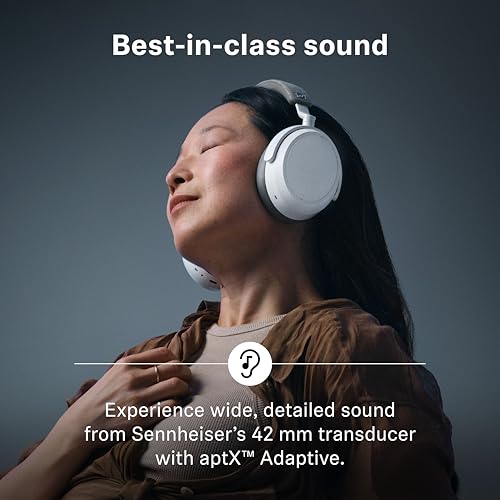
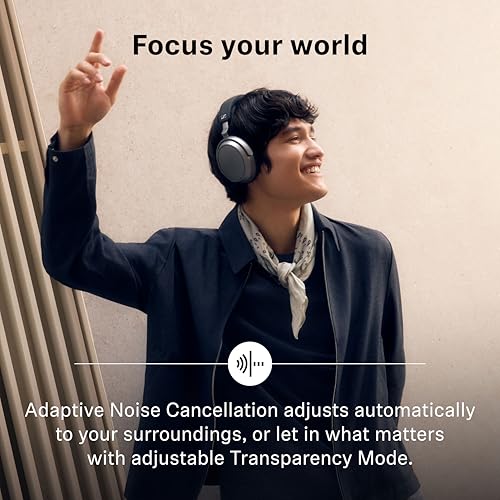
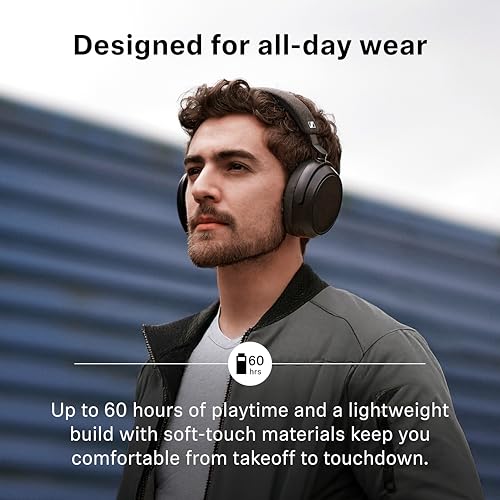
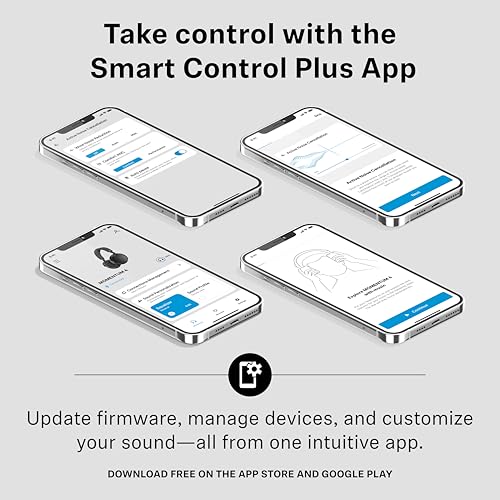
Sennheiser Momentum 4 Wireless Noise Cancelling Headphones – Bluetooth Headset for Crystal-Clear Calls with Adaptive Noise Cancellation, Over-Ear Headphones, 60h Battery Life, Folding Design, Black
In Stock







As an Amazon Associate we earn from qualifying purchases. Product prices and availability are accurate as of the date/time indicated.
The Pimax Crystal Light is the cheaper sibling to Crystal Super, and at roughly $899–$1,053 depending on bundle it’s positioned right in the middle of the market. You get 2880×2880 per-eye QLED panels (still excellent), 120 Hz refresh, 130° FOV, and Pimax’s pancake lenses. What you lose versus Crystal Super: 30% of the per-eye pixel count, the local-dimming backlight, and 10° of FOV. What you keep: the Pimax color science, the high refresh, and the Crystal-line software stack.
For buyers who want the Pimax image quality story but can’t justify Crystal Super’s $1,799 ask, Crystal Light is the answer. It’s still markedly sharper than Quest 3 over PCVR, still has the wide FOV that flight sim pilots love, and still drives serious PCVR titles competently. The 130° FOV is a meaningful step up from 110° headsets.
Downsides: same Pimax-software learning curve as Crystal Super, same lack of standalone capability, no eye tracking on the base version (some bundles add it), and Crystal Super is increasingly close in price during promotions — so check both before buying.
Who should buy: PCVR-focused buyers who want the Pimax FOV and clarity advantage without committing to Crystal Super’s price.
7. Meta Quest 3S — the entry-level PCVR doorway

24
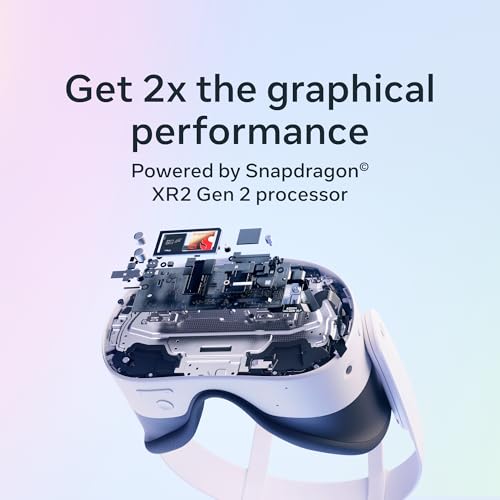
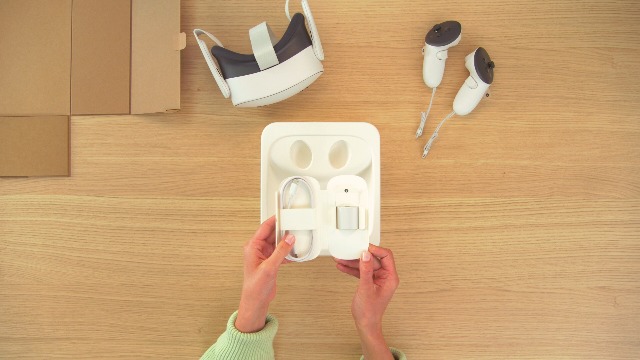
Meta Quest 3S 128GB | VR Headset — Thirty-Three Percent More Memory — 2X Graphical Processing Power — Virtual Reality Without Wires — Access to 40+ Games with a 3-Month Trial of Meta Horizon+ Included
In Stock






As an Amazon Associate we earn from qualifying purchases. Product prices and availability are accurate as of the date/time indicated.
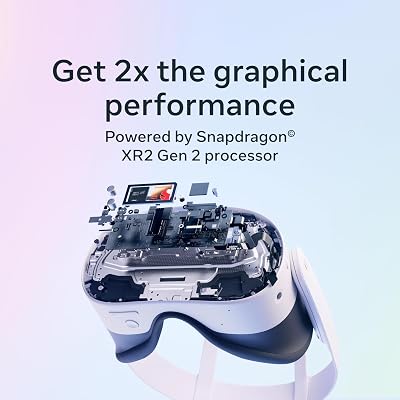
The Meta Quest 3S at $299–$346 is the cheapest credible way to do PCVR in 2026, and we’d take it over any sub-$500 Chinese alternative in a heartbeat. You get the same Snapdragon XR2 Gen 2 processor as Quest 3, the same software ecosystem, the same Steam Link / Virtual Desktop / Air Link PCVR pipeline. What you lose versus the regular Quest 3: pancake lenses are replaced with cheaper Fresnel lenses (smaller sweet spot, more glare), per-eye resolution drops to 1832×1920, and the FOV narrows to roughly 96°.
For buyers who want to see if VR is for them before committing $500+, Quest 3S is the right doorway. The PCVR experience is meaningfully worse than Quest 3 (the Fresnel lenses and lower PPD are a real difference) but it’s still usable, especially for less detail-heavy titles like Beat Saber, Pistol Whip, and casual co-op. If you stick with VR, you’ll outgrow Quest 3S inside a year — but that’s fine.
Downsides: Fresnel lenses are a step backward, smaller FOV is noticeable, and resolution is below the threshold where text-heavy sims really work. Don’t buy Quest 3S if your primary use case is DCS, MSFS, or DCS-tier sim work — go Quest 3 or higher.
Who should buy: VR-curious newcomers, kid setups, buyers on a strict budget, and anyone testing whether VR is worth a larger investment.
Setup and calibration tips for serious PCVR in 2026
Buying the headset is half the battle. The other half is dialing it in, and most PCVR buyers leave 20–30% of their headset’s potential on the table because they never adjusted the right settings. Here’s the short list of what we do to every PCVR setup we touch.
Set your IPD physically and digitally. Use a mirror and a ruler to measure your interpupillary distance in millimeters, then set the headset’s physical IPD slider to match. Inside SteamVR, double-check that the runtime IPD matches. Mismatched IPD is the single most common cause of “VR makes me sick” — and the fix takes thirty seconds.
Lock your refresh rate. Pick the highest stable refresh your GPU can hold (90 / 120 / 144 Hz). Reprojection at variable framerate is more nauseating than a locked 90 Hz. In Pimax Play, OpenXR Toolkit, or Oculus Debug Tool, set a hard cap.
Tune resolution multipliers. Most PCVR runtimes default to a conservative resolution. In SteamVR, set per-app resolution (not global) so demanding titles render lower than light titles. Sub-100% is fine and will save your GPU.
Use foveated rendering wherever offered. Crystal Super, Crystal Light, and Beyond 2e support DFR with their eye-tracking modules. Quest Pro and some Quest 3 titles support fixed foveated rendering. The performance lift is enormous — often 20–40%.
Cable management for wired PCVR. Use a ceiling pulley system or over-the-shoulder routing. Cables wrapped around legs is how headsets get yanked off faces and snapped at the port.
Wi-Fi for wireless PCVR. A dedicated Wi-Fi 6E or Wi-Fi 7 router, wired to your PC, in the same room as the headset, on a clean 6 GHz channel. Anything less and you’ll fight stutters forever.
FAQ
Is the Pimax Crystal Super really worth $1,799 in 2026?
If your primary use is sim racing, flight sims, or any title where image clarity and FOV materially change the experience — yes, the Crystal Super is the clear image-quality king right now and the price reflects that. If you primarily play social VR, room-scale shooters, or casual titles, the answer is no, and Quest 3 at a third the price is the smarter buy. The Crystal Super is a specialist tool that rewards specialist use.
Can the Meta Quest 3 really replace a dedicated PCVR headset?
For most buyers in 2026, yes. With a Wi-Fi 6E router, Virtual Desktop or Steam Link, and an RTX 4070-class GPU or better, Quest 3 over PCVR delivers a genuinely good experience for the overwhelming majority of titles. You’ll see the PPD ceiling in text-heavy sims and you’ll notice some compression on high-contrast edges, but you also paid $499 for a headset that doubles as a standalone — that’s an unbeatable value proposition.
Do I need Lighthouse base stations for premium PCVR?
For Bigscreen Beyond 2e and Varjo Aero, yes — those headsets require external Lighthouse tracking and Index-style controllers. Pimax Crystal Super and Quest 3 use inside-out tracking and need nothing extra. Factor $300–$500 into your budget if you’re building a Lighthouse setup from scratch.
Which headset has the lowest motion sickness risk?
Heavy headsets at low refresh (older Vives, Fresnel-lens Quest 3S) tend to provoke more discomfort. Your IPD setting matters more than any spec.
Final verdict — the gpcg pick for 2026
If you’re shopping with a real PCVR budget and a GPU that can keep up, the Pimax Crystal Super is our top pick for 2026. It’s the best-looking PCVR image you can buy today, the wide FOV genuinely changes the cockpit-sim experience, and the QLED + local-dimming combination produces colors and contrast that LCD competitors can’t match. The asking price is real, the software friction is real, but the result on the other side is the closest thing to “forgetting you’re in a headset” that PCVR has produced.
For everyone else — and let’s be honest, that’s most buyers — the Meta Quest 3 is the smartest PCVR headset in the world right now. The combination of a $499 entry price, dual-use standalone capability, pancake lenses, full-color passthrough, and a credible PCVR pipeline over Wi-Fi 6E is unmatched. Pair it with a good 6E router, a BoboVR strap, and Virtual Desktop, and you have 90% of what a $1,799 headset gives you for 28% of the cost.
If you already own SteamVR base stations and want OLED blacks plus all-day comfort, the Bigscreen Beyond 2e is the rational premium alternative to Crystal Super.
Want to make sure your PC is up to it? Read our best gaming PC for VR May 2026 guide and our trending VR headset reviews. For Meta Quest 3 accessories that genuinely matter (Elite Strap, BoboVR S3 Pro, charging dock), see our Meta Quest 3 accessories guide. For PCVR networking, our Wi-Fi 6E routers for VR roundup walks through what we compared. And if you’re sim-racing in VR, our VR sim racing rig guide covers wheels, pedals, and chassis. Finally, our flight sim PC builds page pairs MSFS / DCS pilots with the right GPU for Crystal Super.
Frequently Asked Questions
Which headset has the best visual clarity?
High resolution panels from Pimax Crystal Super and Varjo class hardware lead on raw pixels per degree, and glass aspheric or pancake optics keep that sharpness across the lens rather than only in a sweet spot. Quest 3 pancake optics are excellent for their price and clear edge to edge, just at a lower resolution.
Do I need base stations for tracking?
Not any more for most people. Inside out camera tracking on modern headsets is accurate enough for nearly every game, and it removes the cost and mounting hassle of external sensors. Lighthouse base stations still win for full body tracking with Vive trackers, and for cases where your hands go behind your back or below the camera view.
What GPU do I need for high resolution PCVR?
Rendering two eyes at high resolution with supersampling is brutal. For a headset above 2500 pixels per eye, plan on a current high end card with 16GB or more of VRAM. Eye tracked dynamic foveated rendering cuts the load dramatically where supported, and is often the difference between a playable 90fps and constant reprojection.
Is wired or wireless PCVR better?
Wired DisplayPort gives the highest image quality with no compression artefacts and the lowest latency, which matters for high resolution sim use. Wireless via Wi-Fi 6E is liberating for room scale and fitness, adds roughly 30 to 50ms of total latency, and needs a dedicated router on a clean 6GHz channel to stay stable.
Is Quest 3 good enough as a PCVR headset?
For most people, yes. Paired with a good link cable or Virtual Desktop on Wi-Fi 6E it covers the entire SteamVR library at very respectable quality, and it doubles as a standalone device. You give up the extreme resolution and eye tracking of dedicated PCVR hardware, but you also spend a fraction of the money.










