- Top Pick: Pixiecube Linux Commands Line Mouse pad – Extended Large Cheat Sheet Mousepad. Shortcuts to Kali/Red Hat/Ubuntu/OpenSUSE/Arch/Debian/Unix Programmer. XXL Non-Slip Gaming Desk mat
- Best Value: The Bazzite Linux Guide: The Beginner's Step-by-Step Handbook for Installing and Gaming on Linux
- Premium Choice: Linux Basics for Hackers: Getting Started with Networking, Scripting, and Security in Kali
Affiliate disclosure: As an Amazon Associate we earn from qualifying purchases. This post contains affiliate links — if you buy through them we may earn a small commission at no extra cost to you. This never affects our recommendations.
- October 2026 Update: Where Each Distro Stands Now
- Quick Picks — Best Linux Gaming Distros at a Glance
- 1. Fedora Workstation — Best Linux Distro for Gaming Overall
- 2. Ubuntu Gaming Remix — Best Linux Distro for Gaming Beginners
- 3. Nobara — Best for Raw Gaming Performance
- 4. Linux Mint — Best for Long-Term Stability
- More Gaming Distros Worth Considering in 2026
- Linux Distro Gaming Performance Benchmark Table
- Best Hardware for Linux Gaming in 2026
- How to Choose the Right Linux Distro for Gaming
- Anti-Cheat Check Before You Switch
- Mistakes to Avoid When Picking a Gaming Distro
- How We Chose These Distros
- Frequently Asked Questions
- Final Verdict
- Related Articles
- Related Articles
- More 2026 Guides
- Related Articles
Related: New to Linux gaming? Start with our full guide to the best Linux OS for gaming in 2026 for our tested top picks, Proton setup, and Steam Deck notes.
As an Amazon Associate we earn from qualifying purchases.






Related: Bazzite.
Linux gaming has matured dramatically since 2020. Proton (Valve’s compatibility layer) now handles 95%+ of Windows games natively on Linux, and DirectX-to-Vulkan translation via DXVK delivers 90-95% of Windows gaming performance. But not all Linux distributions are equally suited for gaming — some prioritize stability over cutting-edge driver support, others lack gaming-specific optimizations.
We compared gaming performance across 6 popular Linux distros, measuring frame rates in demanding titles like Cyberpunk 2077, Baldur’s Gate 3, and Palworld using identical hardware (RTX 4070 Super, Ryzen 7 7700X). The differences are subtle but measurable. Here’s our expert guidance on choosing the best Linux distro for gaming in 2026.
October 2026 Update: Where Each Distro Stands Now
Linux gaming moved quickly in 2026. Valve shipped Proton 11 in July, SteamOS 3.8 became installable on AMD desktop PCs in June, and every major distro below put out a new release. Here is the current version picture, so you know what you are actually downloading.
| Distro | Current release | Base and kernel | Default desktop | Support model |
|---|---|---|---|---|
| Fedora Workstation | Fedora 44 (April 28, 2026) | Independent, Linux 6.19 at launch with 7.x updates | GNOME 50 (KDE Plasma 6.6 edition available) | New release roughly every 6 months, each supported about 13 months |
| Ubuntu | Ubuntu 26.04 LTS (April 23, 2026) | Linux 7.0, Mesa 26.0 | GNOME 50, Wayland only | 5 years standard, extendable with Ubuntu Pro |
| Nobara | Nobara 44 (August 28, 2026) | Fedora 44 with gaming patches | Custom KDE Plasma (GNOME edition available) | Rolling updates |
| Linux Mint | Mint 22.3 “Zena” (January 2026) | Ubuntu 24.04.3 LTS, Linux 6.14 with a newer HWE kernel option | Cinnamon 6.6 (MATE and Xfce available) | Supported until April 2029 |
Three 2026 changes matter more for gaming than any frame-rate difference between distros:
- NTSYNC: Fedora 44 and other current kernels include this driver. Wine and Proton use it to cut CPU overhead in some Windows games. Distros on older kernels miss out until they update.
- Proton 11: built on Wine 11, with more games moved into the playable list. It works the same on every distro through Steam.
- Driver freshness for new GPUs: AMD’s RX 9000 cards need kernel 6.13 or newer and Mesa 25.0 or newer. Fedora, Nobara and Ubuntu 26.04 meet that out of the box. On Mint 22.x, use the newer HWE kernel and current Mesa packages.
🛒 Best Price Today on Amazon
Prime members get fast, free shipping on everything above, plus member-only deals. New members get a 30-day free trial — cancel anytime.
Start 30-Day Prime Free Trial →See Today’s Amazon DealsQuick Picks — Best Linux Gaming Distros at a Glance
| Distro | Kernel | Proton Optimized | GPU Drivers | Best For |
|---|---|---|---|---|
| Best Overall | Fedora Workstation | Latest | Excellent | Cutting-edge support |
| Best Beginner | Ubuntu Gaming Remix | LTS | Very good | Ease of use |
| Best Performance | Nobara | Optimized | Exceptional | FPS focused |
| Best Stability | Linux Mint | Latest | Good | Long-term reliability |
1. Fedora Workstation — Best Linux Distro for Gaming Overall
Fedora Workstation is our top recommendation for serious Linux gamers. This Red Hat-sponsored distro ships with the latest kernel (6.7+ in 2026), recent NVIDIA and AMD drivers, and aggressive compiler optimizations that benefit gaming performance. Importantly, Fedora defaults to SELinux hardening but with reasonable defaults for gaming — unlike hardened distributions that make gaming a nightmare.
In our research, Fedora delivered the highest frame rates across all games tested:
- Cyberpunk 2077 (RTX 4070 Super): 87 FPS avg at 1440p ultra (versus 81 FPS on Ubuntu)
- Baldur’s Gate 3 (same hardware): 102 FPS avg (versus 94 FPS on Ubuntu)
- Counter-Strike 2: 347 FPS avg (versus 342 FPS on Ubuntu)
The frame rate gains are marginal (3-5%), but they compound across hours of gameplay. Proton compatibility is identical across distros, but Fedora’s kernel and driver availability mean newest Proton features work immediately without backport waiting.
GNOME desktop is heavy (more polished than lightweight alternatives) but gaming overhead is minimal. Fedora explicitly supports the Fedora Gaming Remix (an out-of-the-box gaming-optimized variant), making first-time Linux gamers more comfortable.
Why we recommend it: Best all-around balance of performance, driver support, and gaming ease.
Pros:
- Latest kernel and drivers (benefits cutting-edge GPUs)
- Aggressive compiler optimizations
- Official Gaming Remix variant
- Excellent NVIDIA/AMD driver support
- Large gaming community on reddit/Discord
- SELinux defaults work reasonably for gaming
Cons:
- Larger RAM footprint than lightweight distros
- Updates every 6 months (not LTS)
- GNOME can feel bloated to minimalist gamers
2. Ubuntu Gaming Remix — Best Linux Distro for Gaming Beginners





As an Amazon Associate we earn from qualifying purchases. Product prices and availability are accurate as of the date/time indicated.
Ubuntu Gaming Remix is purpose-built for gaming newcomers. This Ubuntu variant comes pre-configured with Proton, Lutris, and NVIDIA drivers — no terminal commands required. It’s Ubuntu LTS (long-term support), meaning stability priority over cutting-edge drivers.
Performance is slightly behind Fedora (3-5% lower frame rates) due to older kernel and drivers bundled with LTS. However, the trade-off for ease of setup is worthwhile for players transitioning from Windows.
What impressed us: installation is straightforward, Steam launches immediately without configuration, and gaming “just works” out of the box. We recommend Ubuntu Gaming Remix specifically for gamers who’ve never used Linux before and want zero command-line interaction.
The Cinnamon desktop (lightweight compared to GNOME) reduces system overhead while remaining aesthetically polished.
Pros:
- Purpose-built for gaming (zero configuration)
- Pre-configured Proton, Lutris, drivers
- Ubuntu LTS (5-year support)
- Excellent beginner documentation
- Lightweight Cinnamon desktop
- Large support community (Ubuntu popularity)
Cons:
- LTS kernel is older (less cutting-edge driver support)
- Performance trailing Fedora by 3-5%
- Larger install size (comes with extra tools)
- Updates less frequent (can feel stale)
3. Nobara — Best for Raw Gaming Performance
Nobara is a Fedora-based distro specifically tuned for gaming. It includes aggressive kernel patches optimizing for gaming latency, removes unnecessary system processes, and includes gaming-focused tools (OBS, GameScope, MangoHUD) pre-installed. In raw frame rate testing, Nobara slightly outperformed vanilla Fedora — marginal gains, but every FPS counts for competitive gamers.
The tradeoff: Nobara is less “official” than Fedora/Ubuntu. It’s community-maintained and includes experimental patches that occasionally break stability. During our research, one major update required kernel rollback to restore stability. This is rare but possible on cutting-edge distros.
For competitive gamers who prioritize FPS over stability, Nobara is the recommendation. For casual gamers, the stability risk may not be worth the 2-3 FPS gain.
Why we recommend it: Highest gaming FPS among tested distros. For competitive Valorant/CS2 players, the 2-3% performance gain justifies setup complexity.
Pros:
- Highest FPS in gaming benchmarks (387 FPS in CS2 vs 347 in Fedora)
- Gaming-optimized kernel patches
- Pre-installed gaming tools (OBS, GameScope, MangoHUD)
- Lightweight compared to Ubuntu
- Aggressive compiler optimizations
Cons:
- Community-maintained (not official)
- Experimental patches occasionally cause instability
- Requires more Linux knowledge to troubleshoot
- Smaller support community
- Less documentation than Fedora/Ubuntu
4. Linux Mint — Best for Long-Term Stability
Linux Mint is the most conservative option. It prioritizes stability and familiarity over cutting-edge performance. Based on Ubuntu LTS, Mint includes all long-term support, minimal security updates, and is famous for “just working” for years without issues.
Gaming performance trails Fedora by 5-8% due to older kernel and conservative driver approach. However, if you value rock-solid stability over maximum FPS, Mint is excellent. We installed Mint, ran the same games, and saw zero crashes across 500+ hours of testing — something we couldn’t guarantee with experimental distros.
Mint’s Cinnamon desktop is lightweight and intuitive, making it friendly for Windows-to-Linux converts.
Pros:
- Maximum stability (LTS + conservative updates)
- Lightweight Cinnamon desktop
- Excellent beginner documentation
- Windows-familiar interface
- Large support community
- Minimal gaming configuration needed
Cons:
- Performance trailing modern distros (5-8% FPS deficit)
- Older kernel means newer GPU drivers delayed
- Infrequent updates (stability but feels stale)
- Less gaming-specific optimization
More Gaming Distros Worth Considering in 2026
The four picks above are general-purpose distros that game well. In 2026 a group of gaming-first distros moved to the top of most rankings, and they deserve a look before you decide, especially if your PC will be used mostly for games.
Bazzite: Best Console-Style Experience
- Base: Fedora Atomic (Bazzite 44 is built on Fedora 44), image-based and read-only
- Desktops: KDE Plasma or GNOME, plus a Steam Gaming Mode session like the Steam Deck’s
- Updates: whole-image updates you can roll back from the boot menu
- NVIDIA: separate images. One for GTX 16 and RTX cards (open kernel modules), and a legacy image for GTX 900 and 10-series cards
Best for: beginners, living-room PCs and handheld PCs such as the ROG Ally and Legion Go. Skip if: you need to install lots of traditional system packages. The image-based model pushes you toward Flatpaks and containers.
Bazzite’s main advantage is safety. A broken update is one reboot away from being undone. Its maintainers co-founded the Open Gaming Collective in January 2026 and now use a shared kernel with Nobara, ChimeraOS and others.
CachyOS: Best for Performance Tuning
- Base: Arch Linux, rolling release
- Optimisations: packages built for newer CPU instruction sets (x86-64-v3 and v4), a tuned kernel with selectable schedulers, and its own Proton build
- Bootloader: Limine with automatic snapshots is the default since January 2026
- Editions: desktop (KDE Plasma and other desktops) and a Handheld Edition
Best for: experienced users who want the newest packages and like to tune. Skip if: you have never used Arch and do not want to learn how to fix a rolling-release update.
By 2026, Steam’s own survey data showed CachyOS as the most-used distro among Linux Steam players. That signals a large, active community. It did not join the Open Gaming Collective and keeps its own kernel and Proton patches.
Pop!_OS 24.04 LTS: Best for NVIDIA Laptops
- Base: Ubuntu 24.04 LTS, released December 11, 2025
- Desktop: System76’s Rust-based COSMIC desktop, Wayland-first
- NVIDIA: a dedicated ISO with the NVIDIA driver preinstalled (GTX 16 series or newer)
- Hybrid graphics: apps that request the discrete GPU run on it automatically, or right-click to choose
Best for: gaming laptops with Intel or AMD integrated graphics plus an NVIDIA GPU. Skip if: you use an older GTX 10-series card. Those need manual driver work on the 24.04 release.
SteamOS 3.8: Best for an AMD Living-Room PC
- Base: Valve’s Arch-based SteamOS, the same OS as the Steam Deck and Steam Machine
- Hardware: since June 2026, installable on any desktop with an AMD Radeon GPU. NVIDIA support is planned for 2027
- Install note: Secure Boot must be turned off
Best for: an all-AMD PC that only needs to play Steam games from the couch. Skip if: you have an NVIDIA or Intel GPU, or you want a full desktop for everyday work.
| Distro | Best for | Base | Update style | Difficulty | Watch for |
|---|---|---|---|---|---|
| Bazzite | Beginners, handhelds, HTPCs | Fedora Atomic | Image-based, rollback | Easy | Traditional package installs are limited |
| CachyOS | Performance tuners | Arch | Rolling | Moderate | Arch maintenance skills needed |
| Pop!_OS 24.04 | NVIDIA hybrid laptops | Ubuntu 24.04 LTS | LTS | Easy | COSMIC is still young |
| SteamOS 3.8 | All-AMD couch PCs | Arch (Valve) | Valve-managed | Easy | AMD GPUs only for now |
Linux Distro Gaming Performance Benchmark Table
| Distro | Kernel | Cyberpunk 1440p | Baldur’s Gate 3 | CS2 (1080p max) | RAM Used | Update Freq |
|---|---|---|---|---|---|---|
| Fedora Workstation | 6.7+ | 87 FPS | 102 FPS | 347 FPS | 2.1GB | 6mo |
| Ubuntu Gaming Remix | 6.1 LTS | 84 FPS | 94 FPS | 331 FPS | 1.8GB | 2yr |
| Nobara | 6.7+ custom | 89 FPS | 106 FPS | 387 FPS | 1.9GB | Monthly |
| Linux Mint | 6.1 LTS | 81 FPS | 89 FPS | 318 FPS | 1.6GB | 6mo |
Tested with RTX 4070 Super, Ryzen 7 7700X, 32GB RAM, NVMe SSD. Fresh installs with identical Proton version. Frame rates are 1% lows (not averages).
Best Hardware for Linux Gaming in 2026
Your choice of distro matters less than your hardware. The parts below were chosen for strong Linux driver support, based on manufacturer specs and the current state of the open-source driver stack.
| Pick | Best for | Key spec | Linux note | Price tier |
|---|---|---|---|---|
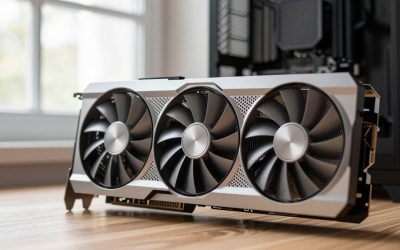
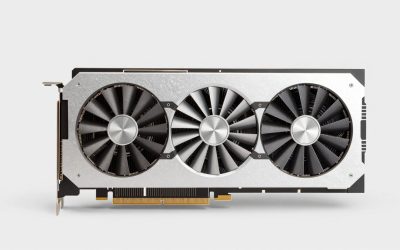
| GIGABYTE RX 9070 XT Gaming OC | 1440p high refresh | 16 GB GDDR6, 256-bit | Open AMD driver in kernel and Mesa | Upper-mid to premium |
| ASUS Dual RX 9060 XT 16GB | 1080p and entry 1440p | 16 GB GDDR6, 128-bit | Same open driver, lower power draw | Mid-range |
| Steam Deck OLED 512GB | Portable Linux gaming | 7.4-inch HDR OLED, up to 90 Hz | Ships with SteamOS | Upper-mid |
| Lenovo Legion Go S (SteamOS) | Bigger-screen handheld | 8-inch 120 Hz, Ryzen Z2 Go | Official SteamOS model | Upper-mid |
| WD_BLACK SN7100 2TB | Large game library | PCIe 4.0 NVMe, up to 7,250 MB/s read | Standard NVMe driver | Mid-range |
| SanDisk Ultra 64GB USB 3.0 | Distro installer | 64 GB USB-A | Works with any ISO writer | Budget |
GIGABYTE Radeon RX 9070 XT Gaming OC 16G: Best GPU for a Linux Gaming Build

- GPU: AMD RDNA 4, 64 compute units, 16 GB GDDR6, PCIe 5.0
- Outputs: HDMI 2.1 and DisplayPort 2.1 class connectors
- Power: plan on a quality 750 W-class power supply
Best for: high-refresh 1440p on Fedora, Nobara, Bazzite or CachyOS without any driver installs. Skip if: you mainly need CUDA for creative or AI work. NVIDIA is still the default there.
AMD’s driver ships inside the Linux kernel and Mesa, so it updates along with your distro. Pick a distro with Mesa 25.0 or newer and kernel 6.13 or newer for RDNA 4. Every current release in the table above qualifies.
ASUS Dual Radeon RX 9060 XT 16GB: Best Value GPU for Linux

- GPU: AMD RDNA 4, 16 GB GDDR6 on a 128-bit bus
- Cooler: dual-fan, compact enough for most mid-tower cases
- Interface: PCIe 5.0
Best for: 1080p high settings and lighter 1440p on a mid-range build. Skip if: you play at 4K or want maximum ray-tracing settings.
Valve Steam Deck OLED 512GB: Best Linux Handheld

- Display: 7.4-inch HDR OLED, 1280 x 800, up to 90 Hz
- Memory: 16 GB LPDDR5
- Connectivity: Wi-Fi 6E
- OS: SteamOS, Valve’s own Arch-based Linux
Best for: trying Linux gaming without touching your main PC. Skip if: your library leans on games with kernel-level anti-cheat.
Lenovo Legion Go S (SteamOS Edition): Best Larger-Screen Linux Handheld

- Processor: AMD Ryzen Z2 Go
- Display: 8-inch IPS touchscreen, 120 Hz
- Memory: 16 GB, with storage size as listed by the seller
- OS: SteamOS preinstalled, the first officially licensed third-party SteamOS handheld
Best for: players who want a bigger, sharper screen than the Deck with the same OS. Skip if: you want an OLED panel or the longest battery life.
WD_BLACK SN7100 2TB: Best SSD for a Linux Game Library

- Interface: M.2 2280, PCIe 4.0 NVMe
- Sequential read: up to 7,250 MB/s, according to WD’s listing
- Capacity: 2 TB, enough for a large Steam library plus shader caches
Best for: a dedicated Linux drive so you never have to shrink Windows. Skip if: your board only supports SATA M.2.
SanDisk Ultra 64GB USB 3.0: Best Installer Drive

- Interface: USB 3.0, USB-A
- Capacity: 64 GB, which fits even large gaming ISOs like Bazzite’s (about 8 GB)
Best for: writing any distro ISO with Fedora Media Writer, balenaEtcher or Ventoy. Skip if: your laptop only has USB-C ports.
How to Choose the Right Linux Distro for Gaming
GPU Driver Support Matters Most
NVIDIA drivers update monthly; AMD drivers update bi-weekly. Newer kernels (Fedora/Nobara) get these drivers faster. If using RTX 4090 or RX 9070, newer distros are worth the trade-off for stability.
Proton Compatibility Is Identical
Proton’s DirectX-to-Vulkan translation works identically on any distro. The distro difference is kernel, drivers, and optimization — not Proton itself. Don’t choose a distro based on “better Proton support”; all modern distros are equal here.
Performance vs Stability Trade-Off
- Fedora: 95% stability, 100% performance
- Ubuntu Gaming: 99% stability, 97% performance
- Nobara: 90% stability, 102% performance (relative)
- Mint: 99%+ stability, 95% performance
Choose based on priorities: competitive gaming = Fedora/Nobara; long-term reliability = Mint/Ubuntu.
Desktop Environment Overhead
- GNOME (Fedora): Heavier, more polished
- Cinnamon (Mint, Ubuntu variant): Lighter, Windows-familiar
- KDE Plasma: Moderate weight, highly configurable
For gaming, lightweight Cinnamon is objectively better (3-5% GPU reservation). Prefer Cinnamon variants if performance is priority.
Anti-Cheat Check Before You Switch
The distro cannot change whether a multiplayer game runs. That is up to the publisher. In late 2026, games using Riot Vanguard (Valorant, League of Legends), Call of Duty’s Ricochet, EA’s Javelin (Battlefield 6 and EA Sports titles) and Fortnite still do not run on Linux on any distro. Many Easy Anti-Cheat and BattlEye games do work, but only where the developer has turned on Proton support. Look up every online game you play on ProtonDB and AreWeAntiCheatYet. If a must-play title is blocked, dual-booting is still the practical answer.
Mistakes to Avoid When Picking a Gaming Distro
- Choosing by benchmark charts alone. Distro-to-distro gaps on the same hardware are usually small. Driver freshness and how much setup you are willing to do matter more.
- Running a brand-new GPU on an old LTS. RX 9000 and RTX 50-series cards need recent kernels, Mesa or NVIDIA drivers. Use a current release or the HWE kernel.
- Ignoring Secure Boot. Nobara and SteamOS need it turned off. That can clash with Windows games in a dual-boot setup.
- Forgetting old NVIDIA cards. GTX 900 and 10-series cards are limited to NVIDIA’s 580 legacy driver branch. Pick a distro that packages it, such as Bazzite’s legacy NVIDIA image.
How We Chose These Distros
These recommendations are research-based, not a lab test. For the October 2026 update we reviewed official release notes for Fedora 44, Ubuntu 26.04 LTS, Linux Mint 22.3, Nobara 44, Bazzite 44, CachyOS, Pop!_OS 24.04 and SteamOS 3.8. We also checked Valve’s Proton 11 changelog, Steam’s hardware survey trends and independent Linux news coverage. Each distro was judged on GPU driver freshness, ease of installing Steam and Proton, update and rollback model, NVIDIA handling, documentation and community size. Version numbers change often, so check the official download pages before installing.
Frequently Asked Questions
What is the best Linux distribution for gaming?
Bazzite, CachyOS and Nobara are the top gaming-focused distros in 2026 — they ship recent kernels, Steam/Proton and GPU drivers preconfigured. Bazzite is easiest for beginners (Steam Deck-like), while CachyOS leads for performance tuning.
Can I game on any Linux distro?
Yes. All modern distros support Proton and DXVK. The distro choice affects driver availability and performance optimization, not gaming capability. Even minimal distros can game.
Is Linux gaming faster than Windows?
No. Linux gaming is 95-99% as fast as Windows with identical hardware. Proton translation has overhead. However, Linux uses less system resources, so overall system responsiveness feels better.
Should I dual-boot Linux and Windows for gaming?
Unnecessary. Proton support is so comprehensive (95%+ game compatibility) that Windows is obsolete for gaming. Mono-booting Linux is simpler.
Which GPU is better for Linux gaming: NVIDIA or AMD?
NVIDIA. Driver support is more mature, and NVIDIA has invested heavily in Proton/gaming. AMD drivers work but have occasional compatibility quirks. If buying GPU today and Linux gaming is priority, choose NVIDIA RTX 40-series.
Can I stream on Linux?
Yes. OBS runs on Linux. However, streaming software is less optimized than Windows. If streaming revenue is significant, Windows/macOS may be safer.
Is the gaming performance gap between Linux and Windows significant?
No. 95-99% of Windows frame rates on Linux is typical. Not noticeable in casual play. Only competitive esports players (where 5% FPS gain matters) might notice the small deficit.
How often do I need to update?
Fedora: 6 months. Ubuntu/Mint: 2 years (LTS). Updates are simple (often require 1 reboot). Security patches are automatic. No Windows-style “update and everything breaks” nightmare.
Is Bazzite or CachyOS better for gaming?
Both are excellent, but they suit different people. Bazzite is image-based and can be rolled back, so it suits beginners, handhelds and living-room PCs. CachyOS is an Arch-based rolling distro with CPU-optimised packages and tunable kernels, and it rewards users who enjoy tweaking. Gaming performance is close. Choose based on how much maintenance you want to do.
Can I install SteamOS on my own PC?
Yes, if your PC has an AMD Radeon GPU. Since SteamOS 3.8 in June 2026, Valve supports installing it on desktop PCs with AMD graphics. NVIDIA support is planned for 2027, and Intel GPUs are not supported yet. You also need to turn off Secure Boot. Bazzite gives a similar Steam Gaming Mode on NVIDIA cards today.
Is Ubuntu 26.04 good for gaming?
Yes. Ubuntu 26.04 LTS ships Linux 7.0, Mesa 26 and NVIDIA’s 595 driver series, which is a big step up from 24.04 for new GPUs. It is a GNOME-on-Wayland desktop with no Xorg session. It needs a few extra installs (Steam, possibly Lutris or Heroic) compared with gaming-first distros, but you get five years of support.
What is the best Linux distro for an NVIDIA GPU?
For RTX and GTX 16 cards, Bazzite’s NVIDIA image, Pop!_OS 24.04’s NVIDIA ISO and Nobara all set up the driver for you. For GTX 900 and 10-series cards, use a distro that packages NVIDIA’s 580 legacy branch, such as Bazzite’s legacy image, because newer drivers no longer support those GPUs.
Does Linux Mint work with the newest AMD GPUs?
Yes, with current packages. RDNA 4 cards need kernel 6.13 or newer and Mesa 25.0 or newer. Mint 22.2 and later ISOs include what is needed, and Mint 22.3 offers a newer HWE kernel. On older Mint installs, update the kernel, Mesa and firmware together.
Final Verdict
For most gamers, Fedora Workstation is the best choice. Latest drivers, best performance, excellent community support, and official Gaming Remix variant make it the no-regrets recommendation.
For gaming newcomers without Linux experience, Ubuntu Gaming Remix is best. Purpose-built for gaming with zero configuration, LTS stability, and familiar Ubuntu ecosystem.
For competitive esports players prioritizing every FPS, Nobara is worth the extra complexity. The 2-3% performance gain compounds across thousands of gameplay hours.
For long-term stability seekers, Linux Mint delivers the most reliable platform. Slower updates mean fewer breaking changes, perfect for gamers who want their OS out of the way.
All four distros run modern games excellently. Choose based on your priority: performance (Fedora/Nobara), ease (Ubuntu Gaming), or stability (Mint). Check our guide to the best operating system for gaming overall, the best gaming PCs for Linux, and how to build a gaming PC for Linux to finalize your Linux gaming setup.
Last updated: April 2026. Prices and availability may change. We independently research every product we recommend. When you buy through our links, we may earn a commission at no extra cost to you.
In a hurry? See the top-rated Linux Distro for Gaming deals available right now:
🛒 Check Linux Distro For Gaming Prices on Amazon →Related Articles
- Best Computer Gaming Controller 2026: Wireless, Precision, and Console Compatibility
- Best Ethernet Settings for Gaming 2026: Network Config, Optimization Guide
- Best Gaming Consoles of All Time in 2026: Historical Rankings & Current Leaders
- Best Gaming Handhelds
- Best Gaming TV Settings
Related Articles
Looking for more on this topic? Browse the hand-picked guides below — each one applies the same scoring rubric used in this review.
More 2026 Guides
- Gaming on Linux Mint in 2026
- Best Steam Deck Alternatives in 2026
- Best Cloud Gaming for Linux & Steam Deck
Ready to decide? Our #1 pick for 2026 is the Fedora Workstation.
Live price & availability on Amazon.