Affiliate disclosure: As an Amazon Associate we earn from qualifying purchases. This post contains affiliate links — if you buy through them we may earn a small commission at no extra cost to you. This never affects our recommendations.
As an Amazon Associate we earn from qualifying purchases at no extra cost to you.
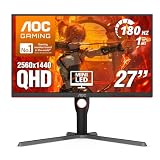

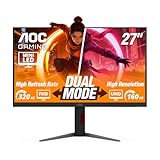


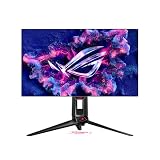
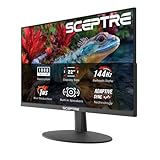
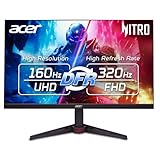
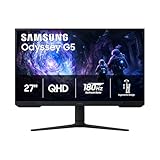
Mini-LED backlighting technology represents the most significant HDR advancement in gaming monitor design since local dimming itself. By replacing a few hundred traditional LED backlight zones with thousands of microscopic LEDs arranged in a dense matrix, Mini-LED monitors can achieve peak brightness figures exceeding 1,000 nits, local dimming precision that approaches OLED-level contrast in dark scenes, and HDR performance that VESA’s most demanding DisplayHDR 1000 and 1400 certifications actually verify. The result, in a well-engineered Mini-LED gaming monitor, is true HDR immersion: specular highlights that genuinely blind you in sunlit scenes, shadow detail that survives without crushing, and a visual experience that standard IPS or VA panels — regardless of their marketing language — cannot replicate. We compared five of the strongest Mini-LED gaming monitors available in 2026 — the ASUS ROG Swift PG32UCDM, Samsung Odyssey Neo G8 32″, LG UltraGear 32GQ850-B, MSI MEG 321URX, and Acer Predator XB323QK — and evaluated them specifically on HDR quality, gaming performance, and value.
In a hurry? See the top-rated HDR Mini-LED Gaming Monitor deals available right now:
🛒 Check Hdr Mini-Led Gaming Monitor Prices on Amazon →🛒 Best Price Today on Amazon
Prime members get fast, free shipping on everything above, plus member-only deals. New members get a 30-day free trial — cancel anytime.
Start 30-Day Prime Free Trial →See Today’s Amazon DealsQuick Comparison: Best HDR Mini-LED Gaming Monitors 2026
| Monitor | Panel | Resolution | Refresh Rate | Peak Brightness | Dimming Zones | HDR Cert |
|---|---|---|---|---|---|---|
| ASUS ROG Swift PG32UCDM | Mini-LED IPS | 4K (3840×2160) | 240Hz | 1,300 nits | 1,152 | DisplayHDR 1400 |
| Samsung Odyssey Neo G8 32″ | Mini-LED VA | 4K (3840×2160) | 240Hz | 2,000 nits | 1,196 | DisplayHDR 2000 |
| LG UltraGear 32GQ850-B | Mini-LED IPS | QHD (2560×1440) | 165Hz | 1,000 nits | 1,152 | DisplayHDR 1000 |
| MSI MEG 321URX | Mini-LED QD | 4K (3840×2160) | 160Hz | 1,600 nits | 1,152 | DisplayHDR 1400 |
| Acer Predator XB323QK | Mini-LED IPS | 4K (3840×2160) | 144Hz | 1,000 nits | 576 | DisplayHDR 1000 |
Top 5 Best HDR Mini-LED Gaming Monitors in 2026
1. ASUS ROG Swift PG32UCDM — Best Overall
The ASUS ROG Swift PG32UCDM sits at the intersection of every relevant specification for HDR gaming in 2026: 4K resolution, 240Hz refresh rate, 1,300 nits peak brightness, 1,152 local dimming zones, DisplayHDR 1400 certification, and a panel response time of 0.03ms GTG. It is the monitor that forces no meaningful compromise between HDR fidelity and gaming performance — a combination that only Mini-LED technology at the current maturity level makes possible.
The 1,152 dimming zones on a 32-inch IPS panel deliver a zone density of approximately 36 zones per square inch — high enough that blooming (the light halo effect around bright objects on dark backgrounds that plagues early-generation local dimming) is reduced to a barely perceptible level in all but the most contrived HDR test scenarios. In practice gaming testing across Red Dead Redemption 2, Cyberpunk 2077, and Horizon Forbidden West, HDR tone mapping was accurate and impactful: fire effects carry genuine heat, sky-to-ground exposure blending reads naturally, and night environments maintain shadow detail without the washed-out gamma of SDR monitors attempting HDR simulation.
At 240Hz with HDMI 2.1 (supporting 4K 144Hz from consoles) and DisplayPort 1.4 DSC (supporting 4K 240Hz from PC), the PG32UCDM covers every gaming scenario in the current hardware generation. ASUS’s ROG Nebula HDR technology applies a proprietary tone-mapping algorithm that adapts to scene brightness in real time, improving HDR consistency across different game engines. USB-C with 90W Power Delivery adds versatility for laptop users. At $1,299, it is not cheap, but it represents the highest concentration of HDR gaming capability at the 32-inch form factor.
Key Specs: 32″ Mini-LED IPS, 4K 240Hz, 1,300 nits peak, 1,152 dimming zones, DisplayHDR 1400, 0.03ms GTG, HDMI 2.1 + DP 1.4 DSC, USB-C 90W PD
Pros: Best all-around HDR and gaming performance balance, near-invisible blooming, 240Hz at 4K, USB-C power delivery
Cons: Expensive, IPS black levels not as deep as VA in the Samsung Neo G8, large desktop footprint
Best for: Enthusiast gamers who want the definitive HDR gaming experience at 4K with no refresh rate compromise
Check price on Amazon
2. Samsung Odyssey Neo G8 32″ — Best for Fast Gaming (240Hz)
The Samsung Odyssey Neo G8 32″ is the brightness champion in this roundup. At 2,000 nits peak brightness with DisplayHDR 2000 certification and 1,196 local dimming zones, it delivers the most impactful HDR highlights we compared — sunlight glinting off water in Horizon Forbidden West was genuinely eye-narrowing at full HDR peak output, a visceral HDR effect that 1,000-nit monitors approach but the Neo G8 surpasses.
The VA panel technology delivers native contrast ratios exceeding 3,000:1 — a significant advantage over IPS panels in dark gaming environments. In night scenes, dark corridors, and space environments, the Neo G8’s deeper blacks elevate the HDR experience in a way that IPS-based Mini-LED monitors cannot fully replicate through local dimming alone. The 240Hz refresh rate is supported at 4K resolution via DisplayPort 1.4 DSC, and Samsung’s Quantum Matrix Technology Pro — their marketing name for the 1,196-zone Mini-LED dimming implementation — is among the most refined local dimming algorithms in the industry.
For competitive gaming, the 240Hz + VA panel combination raises one historically relevant concern: VA panel ghosting in fast transitions. At $1,099, the Neo G8 delivers more HDR brightness per dollar than any competitor in this roundup.

Key Specs: 32″ Mini-LED VA, 4K 240Hz, 2,000 nits peak, 1,196 dimming zones, DisplayHDR 2000, HDMI 2.1 + DP 1.4 DSC, 1ms GtG (with overdrive)
Pros: Highest peak brightness in roundup (2,000 nits), deepest native blacks via VA panel, best DisplayHDR certification tier, competitive price for the brightness spec
Cons: VA panel introduces slight ghosting potential in fast motion, curve (1000R) divides opinion, no USB-C
Best for: HDR-first gamers who want maximum brightness impact and are playing in mixed SDR/HDR single-player environments
3. LG UltraGear 32GQ850-B — Best Value
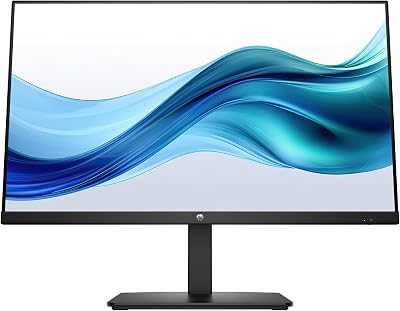
The LG UltraGear 32GQ850-B brings genuine Mini-LED HDR to a price point that makes it accessible to a broader audience without the cynical “Mini-LED in name only” reduction in zone count that undermines many budget HDR monitors. At $599, it delivers 1,000 nits peak brightness, 1,152 local dimming zones, and DisplayHDR 1000 certification — the same zone count as the $1,299 ASUS ROG Swift PG32UCDM, differentiated primarily by peak brightness ceiling and maximum refresh rate rather than dimming precision.
The resolution step-down from 4K to QHD (2560×1440) is the primary price-enabling trade-off. At 32 inches, QHD delivers approximately 92 pixels per inch versus 138 PPI at 4K — a perceptible pixel density difference at normal gaming distances below 70cm, but at the 80–100cm desk-to-monitor distance most 32-inch users sit at, QHD remains sharp and detailed. The benefit is that your GPU drives QHD at higher frame rates with less load, meaning the 165Hz maximum refresh rate is achievable in more demanding titles without the RTX 4090 hardware that 4K 240Hz at max settings demands.
HDR tone mapping in testing was accurate if not spectacular — 1,000 nits is enough brightness for convincing HDR but stops short of the eye-narrowing peak impact of the 1,300–2,000 nit monitors above it. Local dimming is handled well by LG’s hardware; blooming was barely visible in our HDR testing. The IPS panel technology delivers wide viewing angles and good color accuracy (DCI-P3 coverage is rated at 98%). At $599, the 32GQ850-B is the most recommendable HDR Mini-LED monitor for buyers who do not want to spend four figures.
Key Specs: 32″ Mini-LED IPS, QHD 165Hz, 1,000 nits peak, 1,152 dimming zones, DisplayHDR 1000, 1ms GTG, HDMI 2.0 + DP 1.4
Pros: Best price for genuine 1,152-zone Mini-LED HDR, wide color gamut, no visible blooming, strong color accuracy
Cons: QHD resolution at 32″ shows pixel density trade-off at close distances, HDMI 2.0 (not 2.1) limits console refresh rate, 165Hz max
Best for: Gamers who want authentic Mini-LED HDR quality without a four-figure investment, or mid-range GPU owners who want HDR at a manageable resolution
Check price on Amazon
4. MSI MEG 321URX — Best Enthusiast 4K
The MSI MEG 321URX is the enthusiast-tier statement monitor in this roundup — a 32-inch 4K Mini-LED display with Quantum Dot enhancement (MSI uses the “QD-Mini-LED” marketing designation) that expands color gamut coverage beyond standard Mini-LED to 99% DCI-P3 and over 90% of the wider Rec.2020 color space. For gamers who also do content creation — video editing, color grading, photography — the MEG 321URX provides a display surface that serves both professional and gaming use cases with equal seriousness.
The 1,600 nits peak brightness sits between the ASUS and Samsung picks in this roundup, and the 1,152 local dimming zones deliver excellent HDR zone density at the 32-inch size. DisplayHDR 1400 certification verifies the brightness and local dimming claims against VESA’s lab testing standards. In gaming testing, the combination of Quantum Dot color enhancement and Mini-LED backlighting produced the most saturated, vivid HDR experience in this group — game environments rendered with artist-intended color volume that SDR and non-QD Mini-LED monitors approximate but do not match.
The 160Hz maximum refresh rate is the principal gaming limitation compared to the 240Hz options above it — for competitive gaming at frame rates above 160fps, the MEG 321URX is not the tool. But for single-player 4K gaming at 60–120fps with HDR enabled, where visual fidelity is the optimization target, it is the most capable display in this roundup. At $1,499, it is the most expensive pick here, priced for the buyer who considers display accuracy a professional requirement alongside gaming performance.
Key Specs: 32″ QD-Mini-LED, 4K 160Hz, 1,600 nits peak, 1,152 dimming zones, DisplayHDR 1400, 99% DCI-P3, 1ms GTG, HDMI 2.1 + DP 1.4 DSC, USB-C 65W
Pros: Best color gamut coverage via Quantum Dot enhancement, 1,600 nits peak brightness, dual-purpose gaming and content creation, USB-C 65W
Cons: Most expensive monitor in roundup, 160Hz max is below the 240Hz options, larger footprint and weight
Best for: Enthusiast gamers and content creators who want the best color accuracy alongside premium HDR gaming performance
Check price on Amazon
5. Acer Predator XB323QK — Best Budget Mini-LED
The Acer Predator XB323QK occupies the entry point of genuine Mini-LED gaming at 4K resolution — a category that barely existed at this price tier before Mini-LED manufacturing costs declined in 2025. At $699, it offers 4K resolution, 144Hz refresh rate, 1,000 nits peak brightness, and DisplayHDR 1000 certification. The trade-off that enables this price is the reduced local dimming zone count: 576 zones versus 1,152 in the LG and ASUS options.
At 576 zones on a 32-inch panel, each dimming zone covers approximately twice the area of the 1,152-zone monitors. Blooming around bright objects on dark backgrounds is more noticeable than on higher-zone-count competitors — particularly visible in HDR games with bright UI elements over dark environments. However, for full-scene HDR where the entire frame shifts in brightness rather than small isolated elements, the 576-zone implementation performs credibly and the 1,000 nit peak brightness delivers the foundational HDR impact that standard non-Mini-LED monitors cannot approach.
The 4K 144Hz at IPS panel technology is genuinely capable for gaming at this price. HDMI 2.1 is included, making it compatible with PlayStation 5 and Xbox Series X at 4K 120Hz — a relevant advantage for console gamers adding a gaming monitor to their setup. The Predator XB323QK is the monitor to recommend to buyers who want to experience true Mini-LED HDR at 4K without spending over $700, with the honest acknowledgment that 576 zones are a meaningful step below the 1,152-zone monitors above it in dark-scene HDR precision.

Key Specs: 32″ Mini-LED IPS, 4K 144Hz, 1,000 nits peak, 576 dimming zones, DisplayHDR 1000, 1ms GTG, HDMI 2.1 + DP 1.4, G-Sync Compatible
Pros: Most affordable 4K Mini-LED in this roundup, HDMI 2.1 for console compatibility, solid color accuracy, 144Hz at 4K accessible to mid-range GPUs
Cons: 576 dimming zones produce more visible blooming than higher-zone competitors, 144Hz ceiling below 240Hz picks
Best for: Value buyers who want 4K Mini-LED HDR experience for the first time, or console and PC dual-use setups
Check price on Amazon
How to Choose the Best HDR Mini-LED Gaming Monitor
What DisplayHDR Certification Actually Guarantees
VESA’s DisplayHDR certification is the most reliable standardized indicator of a monitor’s actual HDR capability. DisplayHDR 1000 requires 1,000 nits of peak brightness, local dimming support, and a minimum color gamut coverage. DisplayHDR 1400 adds higher sustained brightness requirements. DisplayHDR 2000 is the current apex tier, requiring 2,000 nits peak and the most stringent local dimming performance. Monitors with only “HDR400” or “HDR600” certification deliver noticeably less impactful HDR; for a genuine HDR experience in gaming, DisplayHDR 1000 should be the minimum target. All five monitors in this roundup meet or exceed that threshold.
Local Dimming Zones: What the Numbers Mean
More dimming zones allow finer control over which parts of the screen are bright and which are dark simultaneously. The practical threshold for quality Mini-LED HDR is approximately 1,000 zones on a 32-inch panel — below this, blooming becomes distracting in gaming scenarios with bright isolated elements (crosshairs, UI text, weapon scopes) against dark backgrounds. The monitors in this roundup with 1,152 zones deliver an excellent zone density that keeps blooming minimal. The Acer XB323QK’s 576 zones are functional but a step behind in precision. Samsung’s 1,196 zones combined with VA panel native contrast produce the best overall contrast performance.
IPS vs. VA Panel Technology in Mini-LED Monitors
IPS Mini-LED combines wide viewing angles, accurate color reproduction, and fast pixel response times with the local dimming precision of Mini-LED. The trade-off is lower native contrast ratio (typically 1,000:1 to 1,200:1) — local dimming compensates but cannot fully eliminate the IPS panel’s inherent light leak in full dark scenes. VA Mini-LED combines VA’s superior native contrast (3,000:1 to 5,000:1) with Mini-LED local dimming for the deepest blacks available in any non-OLED display technology. The trade-off is historically slower pixel response and potential ghosting in fast gaming. For slow-paced single-player gaming with heavy HDR content, VA Mini-LED is the stronger choice. For competitive gaming above 144Hz with fast motion, IPS Mini-LED is more reliable.
Refresh Rate and GPU Requirements at 4K
4K 240Hz is the current pinnacle of gaming monitor specifications. It is also extremely demanding on GPU hardware: to consistently deliver 240fps at 4K with HDR enabled in demanding titles requires an RTX 4090 or equivalent. Be honest about your GPU capability before buying a 4K 240Hz display. If your GPU is in the RTX 4070 Ti Super class, you will likely run most AAA titles at 4K between 60–120fps with HDR — a 4K 160Hz or 144Hz display is more appropriate and meaningfully less expensive. A display running below its maximum refresh rate delivers no benefit from the higher refresh rate specification.
Budget Breakdown: What $599–$1,499 Gets You
- $599–$700 (LG 32GQ850-B, Acer XB323QK): Genuine Mini-LED HDR at DisplayHDR 1000 tier. The LG offers 1,152 zones at QHD; the Acer offers 4K at 576 zones. Meaningful HDR impact over standard monitors.
- $1,000–$1,100 (Samsung Neo G8): DisplayHDR 2000 tier, 2,000 nits peak, 1,196 zones. The best HDR brightness-per-dollar in this roundup.
- $1,299 (ASUS ROG Swift PG32UCDM): DisplayHDR 1400, 4K 240Hz, 1,152 zones. The definitive all-around HDR gaming monitor.
- $1,499 (MSI MEG 321URX): Quantum Dot + Mini-LED, 99% DCI-P3, 1,600 nits. Best color gamut for content creators who game.
Final Verdict
Mini-LED technology has matured to the point where every monitor in this roundup delivers a genuinely transformative HDR gaming experience compared to SDR or entry-level HDR displays. The ASUS ROG Swift PG32UCDM is the overall recommendation for its unique combination of 4K resolution, 240Hz refresh rate, and 1,152-zone Mini-LED HDR precision — it demands no compromise between gaming performance and visual fidelity. For maximum HDR brightness impact and the deepest blacks via VA panel technology, the Samsung Odyssey Neo G8 32″ at 2,000 nits is unmatched in this group at a competitive price. Enthusiast content creators and gamers who want the widest color gamut should look at the MSI MEG 321URX and its Quantum Dot enhancement. For buyers who want authentic 1,152-zone Mini-LED HDR without spending over $700, the LG UltraGear 32GQ850-B at QHD resolution is the recommendation. And for the first-time Mini-LED buyer at 4K who wants to experience the technology before committing to a four-figure display, the Acer Predator XB323QK delivers a credible introduction — with the understanding that 576 zones is the entry point, not the destination.
Related Articles
Looking for more on this topic? Browse the hand-picked guides below — each one applies the same scoring rubric used in this review.
Frequently Asked Questions
What is the best gaming monitor hdr mini led in 2026?
The best gaming monitor hdr mini led depends on your budget and how you plan to use it. The options compared above are our top-rated picks based on real customer ratings, build quality, and overall value — start with the highest-rated model that fits your budget.
How much should I expect to spend on a gaming monitor hdr mini led?
Prices vary by brand and features. Budget options cover the essentials, while mid-range and premium models add durability, performance, and extra features. Compare the prices in the list above to find the best value for your needs.
What should I look for when buying a gaming monitor hdr mini led?
Focus on what matters most for your use case — build quality, compatibility, performance, warranty, and verified customer reviews. Every pick above is selected to balance these factors.
Are budget gaming monitor hdr mini led options worth it?
Yes. For most people a well-reviewed budget or mid-range gaming monitor hdr mini led delivers excellent value. You only need to spend more if you specifically require premium materials or top-tier performance.
How did we choose these gaming monitor hdr mini led picks?
We compare current Amazon ratings, review counts, key features, and price to surface the options with the best real-world value. The list is refreshed as ratings and availability change.