- Top Pick: NoetixCo Cable Management Under Desk, 25.3'' No Drill Desk Cable Management Tray with Clamp, Metal Cord Organizer for Standing Desk, Computer Wire Management for Home Office & Gaming Setup, Black
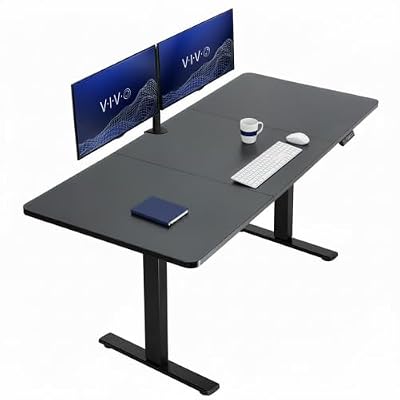
- Best Value: 48" Gaming Under Desk Cable Management Tray, Black No Drill Cord Organizer for PC Setup, Large Anti-Sag Wire Hider, Stealth Cable Management Net for Battlestation (Black, 47.8")
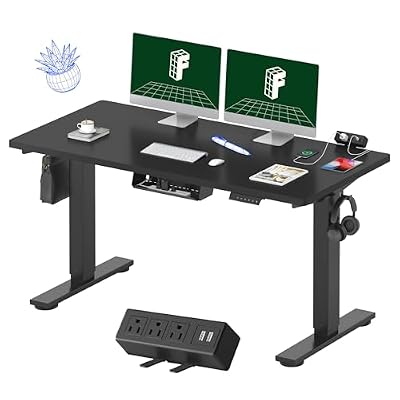
- Premium Choice: Under Desk Cable Management Tray 25.3 Inch, Clamp-On Cable Organizer Box for Standing Desks, No Drill Cord Management Under Desk, Large Desk Wire Organizer for Office & Home, Black
Affiliate disclosure: As an Amazon Associate we earn from qualifying purchases. This post contains affiliate links — if you buy through them we may earn a small commission at no extra cost to you. This never affects our recommendations.
- Why Gaming Cable Management Matters More Than You Think
- Understanding Spiralized Cable Sleeves: Materials & Construction
- Cable Types and Management: Video, Power, Data, and USB
- Installation Best Practices for Professional Results
- Desk Organization Systems: Beyond Sleeves
- Gaming Setup Layouts: Where Cable Management Excels
- Cable Management & Gaming Performance: The Hidden Connection
- Cable Management Materials & Durability Comparison Table
- Frequently Asked Questions About Gaming Cable Management
- Conclusion: Invest in Organization Today
- Related Articles
- Related Articles
A professional gaming setup begins with cable management. Tangled cables behind a gaming monitor or desk create visual clutter, trap heat, damage cables through friction, and make system upgrades frustrating. Spiralized cable management sleeves transform chaotic cable bundles into organized, protected systems that enhance both aesthetics and cable longevity. This comprehensive guide walks through cable management strategies, product solutions, and installation techniques for creating a pristine gaming workspace.
In a hurry? See the top-rated Complete Gaming Cable Management deals available right now:
🛒 Check Complete Gaming Cable Management Prices on Amazon →🛒 Best Price Today on Amazon
Prime members get fast, free shipping on everything above, plus member-only deals. New members get a 30-day free trial — cancel anytime.
Start 30-Day Prime Free Trial →See Today’s Amazon DealsWhy Gaming Cable Management Matters More Than You Think
Cable management extends far beyond visual aesthetics. Properly organized cables deliver tangible benefits to gaming performance, hardware longevity, and system reliability.
Performance benefits: Cables bundled with spiralized sleeves maintain proper separation, reducing electromagnetic interference (EMI) between power cables, data cables, and signal cables. A DisplayPort or HDMI cable run parallel to unshielded power cables can experience subtle signal degradation—organized management prevents this.
Hardware protection: Loose cables experience friction from movement, heat exposure from nearby components, and accidental pinching. Spiralized sleeves protect cables from abrasion, extend their functional lifespan from 2-3 years to 5+ years, and reduce costly replacements.
Thermal management: Cables bundled tightly in dark corners trap heat around power supplies and graphics cards. Properly routed and managed cables allow airflow, contributing to lower system temperatures and more stable performance during gaming sessions.
System accessibility: When every cable is labeled and routed predictably, upgrading components takes minutes instead of hours. Want to swap a graphics card? Properly managed cables disconnect cleanly without tangled stress.


As an Amazon Associate we earn from qualifying purchases. Product prices and availability are accurate as of the date/time indicated.
Understanding Spiralized Cable Sleeves: Materials & Construction
Spiralized cable management sleeves, also called spiral wraps or cable sleeving, come in various materials, each suited to different gaming setups and environments. Understanding these differences helps you select the perfect solution.
Nylon Spiral Wrap: Expandable nylon mesh offers flexibility for bundling cables of different thicknesses. Most gaming setups use nylon because it balances cost, durability, and ease of use. Nylon withstands GPU heat, resists UV degradation in well-lit rooms, and allows cable repositioning without removing the sleeve.
Polyester Braided Sleeves: More durable than nylon, polyester offers superior abrasion resistance for cable bundles that experience frequent movement. Gaming setups where cables get repositioned during upgrades benefit from polyester’s structural integrity.
Silicone-Lined Sleeves: Premium option providing soft interior protection for sensitive cables while exterior braiding handles durability. Ideal for high-end gaming setups where protecting $50-100 premium cables justifies the extra cost.
Cloth Sleeves: Traditional woven cotton or nylon offers aesthetic appeal and premium appearance. High-end gaming setups where cables are visible often choose cloth for visual cohesion with gaming peripherals.
For most gaming setups, nylon expandable spiral wrap represents the optimal balance of functionality, cost, and ease of installation. It accommodates cable bundles of varying sizes, allows repositioning without complete removal, and costs around $0-0.30 per foot.





As an Amazon Associate we earn from qualifying purchases. Product prices and availability are accurate as of the date/time indicated.
Cable Types and Management: Video, Power, Data, and USB
Different cable types serve different purposes and require different management approaches. Mixing cable types creates organizational challenges and potential interference issues.
Video Cables (DisplayPort, HDMI): Premium video cables warrant individual protection through spiral sleeves. These high-bandwidth signal cables benefit from separation from power sources to minimize EMI. Route video cables in separate bundles from power cables when possible, even if they run parallel routes. Avoid sharp bends beyond the cable’s bend radius—spiralized sleeves help maintain gentle curves.
Power Cables: AC power cables can bundle together without concern—they’re heavily shielded. However, keep power cables completely separate from signal cables (video, audio, data) to eliminate EMI risk. Bundle power cables separately even if that means duplicate routing.
Data Cables (USB 3.1, Ethernet): High-speed data cables benefit from spiral wrapping because shielding improves signal integrity. USB 3.1 cables especially benefit from separation from power sources. For gaming peripherals, grouping all USB cables together simplifies port management while keeping them away from power bundles.
Audio Cables: Often overlooked in gaming setups focused on video and power, audio cables still benefit from organization. Analog audio cables can pick up interference from nearby power sources—routing them separately maintains audio quality.
Installation Best Practices for Professional Results
Installing spiralized cable sleeves requires no special tools but benefits from systematic approach. Follow these steps for professional-quality cable management.
Step 1: Plan Your Cable Routes Before touching any sleeves, identify how cables must physically travel from source to destination. Account for heat sources (graphics cards, power supplies), sharp corners, and cable length limits. Mark difficult areas requiring specific attention.
Step 2: Group Similar Cables Gather cables by function—video cables in one bundle, power in another, data in a third. This separation prevents signal interference and makes future modifications easier. Use cable ties temporarily to group related cables.
Step 3: Measure and Cut Sleeve Spiralized sleeves come in bulk rolls—measure exact lengths needed and cut with scissors. Overestimate slightly to accommodate tight curves. Excess sleeve can be trimmed after installation.
Step 4: Install Sleeve onto Cable Bundle Open the spiralized sleeve by gently separating its coil. Insert the cable bundle by threading it through the opening spiral. For tight bundles, work the cables through gradually rather than forcing all at once. Once fully inserted, the spiral closes around the bundle creating a neat, protected bundle.
Step 5: Secure Endpoints with Cable Ties or Velcro At each endpoint where the sleeve terminates, use velcro cable ties (never zip ties on premium cables) to secure the sleeve and prevent it from unraveling. Velcro ties allow disconnection without cutting, essential for gaming setups that upgrade components.
Step 6: Route Bundles and Test Connections Guide the bundled cables along your planned routes using adhesive clips or cable trays. Gently route around components, avoiding sharp bends. Test all connections—video should display, USB devices should recognize, power should flow smoothly.
As an Amazon Associate we earn from qualifying purchases at no extra cost to you.


Desk Organization Systems: Beyond Sleeves
Spiralized sleeves represent just one component of comprehensive cable management. Complementary products create truly professional gaming setups.
Cable Trays and Channels: Mount underneath desks to route bundles cleanly without them touching the floor or resting against legs. Aluminum or plastic trays cost $15-40 and transform cable visibility by moving bundles below desk level.
Adhesive Clips: Wall or desk-mounted clips guide cables along specific paths. Essential for keeping cables from drooping behind monitors or tangling behind peripherals. Small plastic clips cost pennies but prevent hours of frustration.
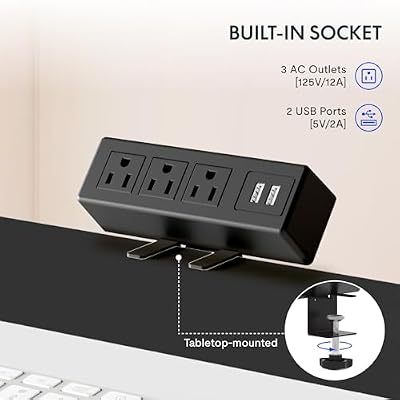
Power Distribution Strips with Management Features: Premium power strips include cable routing grooves, reducing clutter around the power source. Positioning a managed power strip centrally on your desk improves overall organization significantly.
Cable Labels and Identifiers: For complex setups with 10+ cables, labels prevent accidental disconnection of critical connections. Tiny printed or handwritten labels on cable ties identify each bundle’s purpose. This simple step pays dividends during future upgrades.
Monitor Stands with Built-in Cable Management: Some gaming monitor stands include integrated cable channels routing cables directly into the stand base. This built-in management eliminates visible cables entirely, creating extremely clean aesthetics.
Gaming Setup Layouts: Where Cable Management Excels
Different gaming setup configurations benefit from different cable management approaches. Understanding your specific setup type helps optimize solutions.
Compact Single-Monitor Setup: Space constraints require efficient cable routing. Bundle video, power, and USB cables tightly using narrow spiralized sleeves. Route bundles along the monitor’s rear, securing with adhesive clips to the stand. This approach keeps cables completely hidden from the front view.
Multi-Monitor Gaming Setup: Multiple DisplayPort or HDMI cables create bundling complexity. Use wider spiralized sleeves accommodating multiple cables simultaneously. Route bundles down the rear of each monitor stand, then consolidate into a single managed bundle running to the graphics card area.
Console Gaming at Living Room TV: HDMI cables running across living room flooring create trip hazards and aesthetic issues. Use larger diameter spiralized sleeves accommodating the thick HDMI cable plus power cables. Route sleeves along furniture edges or baseboards. Professional gaming room setups often employ in-wall cable routing for ultimate invisibility.
Streaming and Content Creation Setup: Multiple monitor arms, capture cards, audio interfaces, and lighting create cable density challenges. Use color-coded spiralized sleeves—video in black, power in white, audio in blue, data in red. This color-coding prevents accidental unplugging during live streams. See related content about complete gaming PC builds.
Cable Management & Gaming Performance: The Hidden Connection
While aesthetics drive many cable management purchases, the performance implications deserve emphasis. Professional esports teams and competitive gamers prioritize cable organization because it directly impacts system reliability.
EMI reduction through proper cable separation improves video signal integrity, particularly for long cable runs or high-bandwidth connections. A gaming PC running at peak performance during competitive matches cannot afford video glitches caused by poor cable management. Professional setups separate power and signal cables to prevent this.
Thermal management through proper cable routing reduces system temperatures by 2-5°C on average. Graphics cards and power supplies achieve optimal cooling when cables don’t block airflow. Spiralized sleeves direct cables away from cooling systems, maintaining lower overall system temperature and more stable frame rates during long gaming sessions.
Cable Management Materials & Durability Comparison Table
| Material Type | Flexibility | Durability | Cost | Best For | Heat Tolerance |
|---|---|---|---|---|---|
| Nylon Spiral Wrap | High | Good | around $0-0.30/ft | Most gaming setups | 80°C |
| Polyester Braided | Medium | Excellent | around $0-0.50/ft | Frequently modified setups | 85°C |
| Silicone-Lined | Medium | Excellent | around $0-1.00/ft | Premium cable protection | 90°C |
| Cloth Braided | Low | Good | around $0-0.60/ft | Visible aesthetic-focused setups | 75°C |
Frequently Asked Questions About Gaming Cable Management
Q: Can spiralized sleeves damage cables if left on long-term?
A: No, quality sleeves actually protect cables from damage. The concern is the opposite—leaving cables unsleved exposes them to abrasion, heat stress, and EMI. Sleeves should remain permanently installed to maximize cable lifespan and performance.
Q: What’s the ideal cable bundle diameter inside a spiralized sleeve?
A: Most sleeves accommodate bundles ranging 0.5 to 1 inch in diameter. Bundles thinner than 0.5 inches waste sleeve material and may slip around. Bundles thicker than 1 inch become difficult to route and reduce flexibility. Aim for approximately 0.75 inches as the target diameter.
Q: Should I separate video cables from power cables when bundled?
A: Yes, if possible. Video cables are sensitive to electromagnetic interference from high-current power cables. Running them in separate bundles eliminates this risk. If space constraints require parallel routing, use high-quality shielded sleeves and maintain at least 6 inches horizontal separation.
Q: How often should I replace spiralized sleeves?
A: Quality sleeves last 5+ years in normal gaming setups. Replace them only if visible damage occurs (tears, unraveling) or when adding new cables requiring expansion. Most gaming setups only replace sleeves once when upgrading major components that require complete recabling.
Conclusion: Invest in Organization Today
Spiralized cable management sleeves transform gaming setups from chaotic tangles into organized, professional systems. Beyond aesthetics, proper cable organization protects hardware investments, improves system reliability, and simplifies future upgrades.
Investing $20-50 in quality spiralized sleeves and complementary management tools delivers years of benefits—cables last longer, systems run cooler, and upgrades become simple procedures. For gaming PC builders and console gamers alike, cable management represents one of the highest return-on-investment improvements available.
Related resources: Explore complete gaming setup optimization in our 2026 gaming setup guide, understand component selection for gaming builds, and follow our step-by-step PC building guide. For specific cable recommendations, see our guides on DisplayPort cables and HDMI cables for gaming. Budget-conscious builders should check our budget gaming PC recommendations.
Related Articles
Looking for more on this topic? Browse the hand-picked guides below — each one applies the same scoring rubric used in this review.