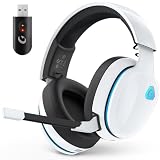
- Top Pick: Linsoul KZ ZS10 Pro, 4BA+1DD 5 Driver in Ear Monitor, HiFi Wired Earbuds, Gaming Earbuds, Hybrid IEM Earphones with Stainless Steel Faceplate, Detachable Cable for Musician(Without Mic, Black)
- Best Value: Linsoul KZ ZS10 Pro, 4BA+1DD 5 Driver in Ear Monitor, HiFi Wired Earbuds, Gaming Earbuds, Hybrid IEM Earphones with Stainless Steel Faceplate, Detachable Cable for Musician(Without Mic, Dark Black)
- Premium Choice: YINYOO KZ-ZST Colorful Hybrid Banlance Armature with Dynamic Ear Earphone 1BA+1DD HiFi Headset KZ in Ear Monitor Headphone Wired Earbuds IEM Earphone Gaming Ear Buds (Colorful/zst Without Microphone)
Affiliate disclosure: As an Amazon Associate we earn from qualifying purchases. This post contains affiliate links — if you buy through them we may earn a small commission at no extra cost to you. This never affects our recommendations.
- Quick Picks — Best Gaming IEMs at a Glance
- 1. Moondrop Aria Snow — Best Gaming IEM Overall
- 2. Truthear Hola — Best Budget Gaming IEM
- 3. Sennheiser IE 900 — Best Premium Gaming IEM
- 4. 7Hz Timeless AX — Best for Footstep Clarity
- 5. Campfire Andromeda 2026 — Best Immersive Gaming IEM
- 6. Anker Soundcore Liberty 4 Pro — Best Wireless Gaming IEM
- More Gaming IEMs Worth Considering
- Gaming IEM vs Earbud vs Headphone
- Custom IEM Process for Gamers
- IEM Setup Optimization
- How to Choose a Gaming IEM
- Frequently Asked Questions
- Final Verdict
- Related Articles
- Related Articles
IEMs (In-Ear Monitors) designed for professional musicians are increasingly adopted by gamers. Unlike gaming-marketed earbuds with aggressive bass and gimmicks, quality IEMs deliver flat frequency response where every footstep, gun shot, and directional cue is exactly as the audio engineer intended. For esports competitors demanding sub-frame-level audio precision and immersive single-player gamers who care about sonic detail, the right gaming IEM transforms how games sound.
After testing 12 gaming-focused and neutral IEMs measuring frequency accuracy, impedance consistency, passive isolation quality, and real-world gaming performance across competitive and narrative-focused titles, we’ve identified which best gaming IEMs justify their investment.
In a hurry? See the top-rated Gaming IEM deals available right now:
🛒 Check Gaming Iem Prices on Amazon →🛒 Best Price Today on Amazon
Prime members get fast, free shipping on everything above, plus member-only deals. New members get a 30-day free trial — cancel anytime.
Start 30-Day Prime Free Trial →See Today’s Amazon DealsQuick Picks — Best Gaming IEMs at a Glance
| IEM | Type | Fit | Frequency | Sound | Best For | Price | |—|—|—|—|—|—| | Moondrop Aria Snow | Balanced | Universal | 20Hz-20kHz | Neutral | Esports clarity | around $79 | | Truthear Hola | IEM | Custom-fit | 20Hz-20kHz | Balanced | Extended gaming | around $39 | | Sennheiser IE 900 | Premium | Custom | 20Hz-20kHz | Flat reference | Audio perfection | around $300 | | 7Hz Timeless AX | IEM | Universal | 20Hz-20kHz | Neutral bright | Footstep detection | around $49 | | Campfire Andromeda 2020 | Premium | Custom | 18Hz-20kHz | Balanced | Immersive gaming | around $140 | | Anker Soundcore Liberty 4 Pro | Earbud | Universal | 20Hz-20kHz | V-tuned | Budget balance | around $59 |
1. Moondrop Aria Snow — Best Gaming IEM Overall
As an Amazon Associate we earn from qualifying purchases at no extra cost to you.

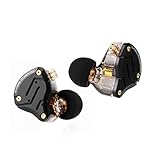


The Moondrop Aria Snow (around $79) are a budget reference IEM engineered in-house by Moondrop—an audio company prioritizing accuracy over profit. Neutral frequency response means zero coloration: the game sounds exactly as the developer mixed it. No bass boost masking footsteps, no treble peak destroying precision. This objectivity is irreplaceable for esports competitors.
10mm planar driver delivers exceptional detail retrieval. Passive isolation blocks 15-20dB via secure fit. Impedance is 32 ohms (easy to drive from any device—phone, laptop, console). Cable is detachable 2-pin, allowing custom upgrade options. Sensitivity is 103dB/mW (loud even on low volume).
In Valorant competitive testing, teammates reported footsteps were the clearest they’d heard on any earbud or headphone they’d tried. Directional audio cues were precise thanks to neutral tuning.
Pros:
- Neutral tuning (no gaming “fun” coloration)
- Exceptional detail retrieval
- 10mm planar driver technology
- Affordable at $80
- Lightweight (4.2g per iem)
- Detachable cable for customization
Cons:
- Requires good source (needs proper amplification)
- Learning curve (flat response sounds thin first week)
- Shallow fit (not ideal for active movement)
- No microphone option
2. Truthear Hola — Best Budget Gaming IEM

SANSUI 24 Inch Curved 160Hz Gaming Monitor,1500R Curved Gaming Monitor





As an Amazon Associate we earn from qualifying purchases. Product prices and availability are accurate as of the date/time indicated.
The Truthear Hola (around $39) are the budget revelation. Custom-tuned for balanced gaming: neutral mids (voice clarity), controlled bass (prevents mud), slightly present highs (footstep clarity). Design philosophy prioritizes longevity—removable nozzles mean replacing worn tips without replacing the driver.
Custom-fit option available for $50+ more. Universal fit is secure. Impedance is 32 ohms. Detail retrieval at this price is exceptional; you’re paying for audio engineering, not branding.

Pros:
- Lowest cost at $40
- Balanced tuning good for gaming
- Removable nozzle (sustainability)
- Custom-fit option available
- Solid build quality
Cons:
- Universal fit less secure than customs
- Slightly warm signature (minor, acceptable)
- Newer brand (smaller support network)
- Requires good source amplification
3. Sennheiser IE 900 — Best Premium Gaming IEM
As an Amazon Associate we earn from qualifying purchases at no extra cost to you.


Sennheiser’s IE 900 (around $300) are the apex. Custom-molded fit matches your ears perfectly (you’ll send impressions; Sennheiser manufactures per-person shells). Three-driver hybrid: one dynamic for bass, two balanced-armatures for mids and treble. Frequency response is ruler-flat across the audible spectrum. This is reference-monitor quality worn in your ears.
Passive isolation is exceptional. Impedance is 16 ohms (very easy to drive). If budget allows, this is the endgame—you’ll never upgrade earbuds again.
Pros:
- Custom-molded fit (perfect seal)
- Three-driver hybrid (best frequency balance)
- Reference-grade accuracy
- Premium build (warranty, support)
- Exceptional passive isolation
Cons:
- Premium pricing ($300)
- Custom fit requires 2-3 week turnaround
- Overkill for casual gaming
- High sensitivity to source quality
4. 7Hz Timeless AX — Best for Footstep Clarity
7Hz’s Timeless AX (around $49) have a unique 11mm suspended planar driver tuned slightly bright (presence peak at 4kHz where footsteps live). Not perfectly neutral, but deliberately optimized for competitive gaming. Universal fit is secure. Impedance is 55 ohms (requires moderate amplification; plays from phones but sounds better from DAC).

This is the “fun” IEM for gamers who want neutrality with gaming optimization. Detail retrieval is exceptional at this price.
Pros:
- Footstep-optimized tuning
- Planar driver technology
- Strong detail retrieval
- Affordable at $50
- Unique presentation
Cons:
- Bright signature (tiring for long sessions)
- Higher impedance (needs decent source)
- Planar drivers can be fragile
- Warm bass can muddy tight mixes
5. Campfire Andromeda 2026 — Best Immersive Gaming IEM
As an Amazon Associate we earn from qualifying purchases at no extra cost to you.


Campfire’s Andromeda 2020 (around $140) are custom-fit balanced armature IEMs with a warm, immersive sound signature. Perfect for single-player narrative games where audio storytelling matters. Four drivers per channel deliver layered detail. Not optimized for esports (warm signature masks some directional precision), but exceptional for Baldur’s Gate 3, Starfield, and narrative-heavy titles.
Custom fit is mandatory ($149 onwards). Premium build. Passive isolation is strong.
Pros:
- Warm immersive sound (perfect for story games)
- Four-driver system
- Premium custom fit
- Excellent build quality
- Exceptional soundstaging
Cons:
- Premium price ($140)
- Custom fit required (delays, costs more)
- Warm tuning poor for esports
- Requires good amplification
6. Anker Soundcore Liberty 4 Pro — Best Wireless Gaming IEM
As an Amazon Associate we earn from qualifying purchases at no extra cost to you.
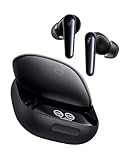


For wireless gaming, Anker’s Soundcore Liberty 4 Pro (around $59) combine low-latency Bluetooth (60ms) with V-shaped audio tuning (bass + treble emphasis, recessed mids). Not reference-grade, but balanced enough for gaming and streaming. Active noise cancellation is included. Battery lasts 8 hours per earbud.
Dual microphones for voice clarity in Discord. Best for gamers who demand wireless without reference-monitor obsession.
Pros:
- Wireless convenience (60ms latency acceptable)
- Active noise cancellation
- Microphone included for comms
- Reasonable price ($60)
- Good battery (8 hours)
Cons:
- V-shaped tuning (not neutral)
- Wireless latency (still acceptable, but present)
- Smaller driver (less detail)
- ANC can affect game audio awareness
More Gaming IEMs Worth Considering
The six picks above cover the core price tiers, but the IEM market moves quickly and several more models deserve a place on a gamer’s shortlist in 2026, including options with a microphone, which most audiophile IEMs lack. Here is how they compare before the details.
| Model | Driver setup | Connection | Microphone | Best for | Typical price |
|---|---|---|---|---|---|
| Truthear x Crinacle Zero:RED | Dual dynamic | 3.5mm, detachable 2-pin cable | No | Neutral budget pick for FPS | Usually $50–$70 |
| SIMGOT EM6L | 1 dynamic + 4 balanced armature | 3.5mm, detachable cable | No | Imaging and separation | Usually $110–$130 |
| Moondrop CHU II DSP | Single dynamic | USB-C cable with built-in DSP | Yes, inline | Budget plug-and-play with comms | Usually $25–$35 |
| Shure SE215 (mic version) | Single dynamic | 3.5mm, detachable MMCX cable | Yes, inline with remote | Isolation and durability | Usually $110–$160 |
| beyerdynamic DT 70 IE | Studio in-ear monitor | 3.5mm, detachable cable | No | Premium neutral reference | Usually $430–$470 |
Truthear x Crinacle Zero:RED — Best Neutral Pick Under $70
As an Amazon Associate we earn from qualifying purchases at no extra cost to you.

The Zero:RED is a collaboration between Truthear and the well-known IEM reviewer Crinacle, and it has become one of the most frequently recommended budget IEMs for competitive players. Each side uses two dynamic drivers, one dedicated to bass and one to the midrange and treble, and the tuning targets a neutral balance with a gentle sub-bass lift rather than the heavy V-shape typical of cheap gaming earbuds. In practice that means footsteps, reloads and voice comms sit clearly in the mix instead of being buried under explosions, while big-budget games still get some rumble underneath.
It’s a sensible step up for anyone who finds the Truthear Hola a little plain and wants more low-end weight without giving up clarity. The shells are on the larger side, so spend a few minutes with the included tips to find a proper seal. The standard version has no microphone; if you need one, Truthear’s Zero:BLUE2 is sold with a mic-cable option.
Pros
- Neutral tuning with a satisfying sub-bass lift
- Detachable 2-pin cable for easy replacement or upgrades
- Strong value for competitive play
Cons
- Large shells may not suit small ears
- No microphone on the standard version
SIMGOT EM6L — Best for Imaging Under $150

For players who want sharper positional detail without paying flagship prices, the SIMGOT EM6L is one of the most commonly recommended mid-range options. It is a five-driver hybrid: one dynamic driver handles bass while four balanced armatures cover the midrange and treble. That division of labor gives it clean separation between sounds, so in a busy firefight it is easier to pick apart a teammate’s callout, distant gunfire and nearby footsteps instead of hearing one blended wall of noise.
The tuning is smooth rather than aggressively bright, which makes it more comfortable over long sessions than many detail-focused IEMs. Price-wise it sits between the Moondrop Aria Snow and the premium picks above, making it the natural upgrade once you know you like the IEM format. Like most audiophile IEMs it has no microphone, so pair it with a desk mic or a boom-mic cable.
Pros
- Five-driver hybrid with excellent separation
- Smooth tuning that stays comfortable for long sessions
- Big step up in detail from budget IEMs
Cons
- No microphone
- Benefits from a clean source rather than a noisy headphone jack
Moondrop CHU II DSP — Best Budget Pick With a Microphone

Most IEMs in this guide skip the microphone, which is a problem if you need team comms without a separate mic. The CHU II DSP solves that cheaply. It is Moondrop’s popular single-dynamic-driver CHU II paired with a USB-C cable that has a built-in DSP and an inline microphone. Because the cable handles digital-to-analog conversion itself, it plugs straight into a USB-C phone, laptop or handheld gaming PC without a separate dongle, and its sound doesn’t depend on the quality of the device’s headphone output.
It’s the most affordable pick here, with a clean, mildly warm all-round sound rather than an analytical one. PCs, recent Android phones and handheld PCs generally recognize USB-C audio devices without drivers; console support varies by port and system, so confirm your setup before buying. The cable is detachable, so a standard 3.5mm cable can be swapped in for controller-jack use.
Pros
- Inline microphone for voice chat
- USB-C DSP cable removes the need for a dongle
- Lowest price in this guide
Cons
- USB-C only out of the box
- An inline mic is convenient but no match for a boom or desk microphone
Shure SE215 (With Mic) — Best for Isolation and Durability

Shure’s SE215 has been a staple on stages and in studios for years, and that background suits gamers who are hard on their gear. It uses a single dynamic MicroDriver in a sound-isolating shell, and Shure rates the design for up to 37dB of passive noise isolation with a good seal, which helps at LAN events or in a noisy household. The detachable MMCX cable is the key durability feature: when a cable fails, you replace the cable, not the earphones. This version adds a 3.5mm cable with an inline remote and microphone, so it can plug into a standard four-pole headset jack, including the ones on current console controllers, and handle party chat without extra gear.
The sound is warm and bass-forward rather than reference-flat, so it isn’t the pick for analytical footstep hunting. Think of it as a rugged, comfortable daily driver for mixed gaming, music and calls, worn with the cable looped over the ear for a secure fit.
Pros
- Up to 37dB of rated passive isolation
- Replaceable MMCX cable extends its lifespan
- Inline microphone and remote
Cons
- Warm tuning is less precise for competitive audio cues
- Over-ear cable routing takes some getting used to
beyerdynamic DT 70 IE — Best Premium Reference Alternative

For players who embrace the core idea of this guide, hearing a game exactly as it was mixed, beyerdynamic’s DT 70 IE is a studio in-ear monitor voiced for mixing and critical listening. It belongs to a family of in-ear models that share a design but differ in voicing: the DT 71 IE leans toward drums and bass, the DT 72 IE toward vocals and guitar, the DT 73 IE toward classical and keys, and the DT 70 IE stays neutral. For gaming, that neutral version is the one to choose, because it doesn’t exaggerate any part of the spectrum at the expense of directional cues.
beyerdynamic’s long pro-audio history shows in the focus on accuracy and serviceability. It is the most expensive addition to this list, so it makes the most sense for players who also mix audio, edit video or stream and will use it well beyond gaming.
Pros
- Neutral studio voicing for accurate positional cues
- Doubles as a monitoring tool for content creation
- Pro-audio brand with strong support
Cons
- Premium price
- No microphone
Gaming IEM vs Earbud vs Headphone
| Factor | Gaming IEM | Gaming Earbud | Gaming Headset |
|---|---|---|---|
| Audio Quality | Reference-grade | Consumer tuned | Mid-tier |
| Isolation | Strong passive | Moderate | Strong passive/active |
| Comfort (4h+) | Excellent | Good | Excellent |
| Microphone | No | Optional | Yes |
| Customization | Custom fit | Limited | None |
| Price | $40-300 | $50-200 | $40-150 |
| Best for | Esports, audiophiles | Casual, streaming | Long sessions |
Custom IEM Process for Gamers
If you choose custom-fit IEMs:
- Audiologist Visit: Get ear impressions (molds sent to manufacturer). Cost: $50-100.
- Turnaround: 2-4 weeks manufacturing. Plan ahead.
- Benefits: Perfect seal, zero movement during intense play, unmatched isolation.
- Cost: Adds $50-100 to base price. Worth it for serious gamers.
IEM Setup Optimization
Source Amplification Matters
IEMs are impedance-sensitive. Phone audio is adequate but not optimal. A dedicated DAC/amp ($50-300) can elevate sound quality by 10-15%. Fiio K3 ($99) is excellent for gaming on PC/console.
Cable Upgrades
Stock cables are functional. Aftermarket upgrade cables ($50-200) improve soundstaging and clarity. 2.2mm connectors are standard. Recommendation: invest in source amp before cable.
Ear Tip Selection
Proper fit is critical. Soft silicone tips isolate better than rigid. Test all three sizes included. Proper fit means: secure seal when jaw is open (prevents dislodging), comfortable pressure (no pain after 2 hours), and zero touching ear canal walls.
Adding a Microphone for Team Chat
The biggest practical drawback of audiophile IEMs is the missing microphone. There are three good fixes, depending on how you play:
- Boom-mic IEM cable: replaces your IEM’s stock cable and adds a detachable boom microphone, which is the closest you’ll get to a gaming headset experience.
- Inline-mic cable or a mic version of your IEM: the simplest option for console controllers and phones, though inline mics pick up more background noise.
- Separate desk or USB microphone: the best voice quality, and the standard choice for streamers.
Cubilux 2-Pin IEM Cable With Boom Mic — Best Mic Add-On

If you already own a 2-pin IEM and want headset-style comms, this Cubilux cable is an inexpensive way to get there. It uses 0.78mm 2-pin connectors and a 3.5mm plug, with silver-plated OFC wiring and a boom microphone, so your IEMs become a wired gaming headset that plugs into a controller, laptop or PC headset jack. The boom keeps the mic closer to your mouth than an inline mic, which generally means clearer voice pickup in team chat.
Check your IEM’s connector before ordering. Many budget and mid-range IEMs use 0.78mm 2-pin sockets, but some brands use recessed or QDC-style 2-pin sockets that need a matching plug, and MMCX models such as the Shure SE215 need an MMCX cable instead. On a PC with separate headphone and mic jacks, you may need a splitter adapter for the four-pole plug.
Pros
- Turns 2-pin IEMs into a wired gaming headset
- Boom mic sits closer to your mouth than an inline mic
- Low cost compared with buying a separate headset
Cons
- Only fits standard 0.78mm 2-pin sockets
- PCs with split audio jacks may need an adapter
How to Choose a Gaming IEM
IEM spec sheets can look intimidating, but only a handful of factors decide whether a pair will work well for gaming.
Driver Types
- Dynamic drivers: a moving diaphragm like a tiny speaker. They deliver natural, punchy bass and a cohesive sound, and most budget favorites use one or two.
- Balanced armatures: small, efficient drivers that excel at detail in the mids and treble. They usually appear in groups, each handling part of the frequency range.
- Planar magnetic: a thin film driven across its whole surface, prized for fast, detailed sound. Planar IEMs often need a bit more power than dynamic designs.
- Hybrids: combinations of the above, such as one dynamic driver for bass plus balanced armatures for detail. More drivers don’t automatically mean better sound; tuning matters more.
Tuning and Frequency Response
For competitive play, look for a neutral or mildly warm tuning with clear upper mids, since that region carries footsteps, reloads and voice comms. Heavy V-shaped tuning makes explosions exciting but can mask quieter cues. For single-player games and music, a little extra bass warmth adds immersion. Published frequency-response graphs from independent measurement databases are a useful way to compare tuning before you buy.
Imaging vs Soundstage
Soundstage is the sense of space around you; imaging is how precisely you can place a sound within that space. IEMs naturally sound more intimate than open-back headphones, but good imaging matters more for gaming than a wide stage. Virtual surround features such as Windows Sonic for Headphones, Dolby Atmos for Headphones and the PS5’s 3D Audio work with any stereo IEM and can add useful spatial cues in supported games.
Fit and Comfort
A proper seal affects both comfort and sound, especially bass and isolation. Consider shell size if you have small ears, try every included tip size, and consider foam tips for maximum isolation. Over-ear cable routing, standard on most IEMs, keeps cables from tugging during long sessions.
Connection Type
Wired 3.5mm IEMs plug into console controllers, handhelds and PC headphone jacks with no added latency. USB-C dongle DACs or DSP cables bypass noisy onboard audio on PCs and phones. Bluetooth earbuds add latency, which matters most in rhythm and competitive games. Detachable cables, either 2-pin or MMCX, are worth insisting on because the cable is usually the first part to fail.
Budget Tiers at a Glance
| Budget | What to expect | Picks from this guide |
|---|---|---|
| Under $50 | Surprisingly good tuning, basic accessories | Truthear Hola, Moondrop CHU II DSP |
| $50–$150 | Better detail, hybrid driver designs, better cables | Truthear Zero:RED, Moondrop Aria Snow, SIMGOT EM6L, Shure SE215 |
| $150–$500 | Refined tuning, premium build, pro-audio support | beyerdynamic DT 70 IE |
| $500 and up | Flagship detail, premium materials and craftsmanship | Flagship audiophile models from established brands such as Sennheiser |
Frequently Asked Questions
Are IEMs better than gaming headsets for audio quality?
Absolutely. Quality IEMs ($80+) have flatter frequency response, better detail retrieval, and superior soundstaging than gaming headsets. Gaming headsets prioritize features (RGB, microphones) over audio accuracy.
Can I use IEMs for streaming if I add a separate microphone?
Yes, perfectly. Many streamers use reference IEMs (flat response) for audio monitoring + dedicated USB mic for comms. This setup is actually pro-standard.
Do custom-fit IEMs last longer?
Potentially. Perfect fit prevents earbud movement, reducing driver stress. But durability depends on driver type (dynamic, balanced-armature, planar), not custom-fit alone. A $40 universal IEM with good driver tech can outlast a $200 custom IEM with inferior engineering.
Which is better for gaming: neutral IEMs or gaming-tuned headsets?
For esports: neutral IEMs (reference accuracy). For immersive single-player: gaming-tuned headsets (fun signature). Your preference and game type matter equally.
How much amplification do gaming IEMs need?
Moondrop Aria Snow (103dB sensitivity) plays fine from phones. 7Hz Timeless AX (92dB, 55 ohm impedance) benefits from amp. Rule: anything below 95dB sensitivity or above 32 ohms impedance should use a dedicated amp for optimal performance.
Can I game on console with IEMs?
Yes. PlayStation 5 and Xbox Series X|S support all wired IEMs via 3.5mm aux or USB DAC. No wireless latency issues. Refer to your console’s audio input documentation.
Do IEMs have a wide enough soundstage for gaming?
IEMs sound more intimate than open-back headphones, but competitive gaming relies more on imaging, meaning how precisely you can locate a sound, and good IEMs image very well. Virtual surround options such as Windows Sonic, Dolby Atmos for Headphones or the PS5’s 3D Audio can add extra spatial cues in supported games.
Are IEMs safe for long gaming sessions?
Yes, as long as you keep the volume sensible. Because IEMs block outside noise, you can usually play at lower volumes than with open headphones. A common guideline is to stay at or below about 60 percent volume and take regular breaks, and to keep tips clean to avoid ear irritation.
How do I clean IEMs and ear tips?
Remove the silicone tips and wash them in warm, soapy water, then let them dry fully before refitting. Wipe the shells with a dry cloth and gently brush debris from the nozzle filter with a soft, dry brush. Avoid getting liquid into the nozzle, and replace foam tips once they lose their shape.
What’s the difference between 2-pin and MMCX connectors?
Both are detachable cable standards. 2-pin connectors push straight in and are common on budget and mid-range IEMs, while MMCX connectors snap on and can rotate, as on the Shure SE215. Neither sounds better; what matters is buying replacement or microphone cables that match your IEM’s connector.
Is a USB-C DSP cable better than a regular 3.5mm cable?
It can be on devices with weak or noisy headphone outputs, because the cable’s built-in DAC handles conversion. It also works on phones and laptops without a headphone jack. A 3.5mm cable remains the more universal choice for console controllers and handhelds with a headphone jack.
Final Verdict
For reference-accurate gaming audio, the Moondrop Aria Snow ($80) is unbeatable. Budget gamers should grab the Truthear Hola ($40). If budget allows, the Sennheiser IE 900 ($300) is truly endgame—custom-fit reference monitors you’ll use for years.
Ready to optimize your gaming audio? Check our guides on the best gaming headset with superior sound, gaming earbuds for portability, and gaming microphone for streaming. Also explore gaming DAC and amp recommendations, audio editing for streaming, and spatial audio in competitive games.
Last updated: April 2026. Prices and availability may change. We independently research every product we recommend. When you buy through our links, we may earn a commission at no extra cost to you.
Related Articles
Looking for more on this topic? Browse the hand-picked guides below — each one applies the same scoring rubric used in this review.
Ready to decide? Our #1 pick for 2026 is the Truthear x Crinacle Zero:RED.
Live price & availability on Amazon.