

Best Gaming Headsets for Under $400 in 2025 — Premium Audio for Serious Gamers
At the $400 price ceiling, gaming headsets stop making compromises. You get flagship wireless implementations with 30+ hour battery life, high-fidelity drivers tuned by audiophile engineers, lossless wireless audio transmission, active noise cancellation, and build quality that lasts years of daily use. The best gaming headsets for under $400 in 2025 blur the line between dedicated gaming audio and premium consumer headphones — delivering spatial accuracy for competitive advantage alongside musical enjoyment for entertainment. This guide covers the top options across wired and wireless, surround sound and stereo, with detailed breakdowns of what makes each worth your investment.


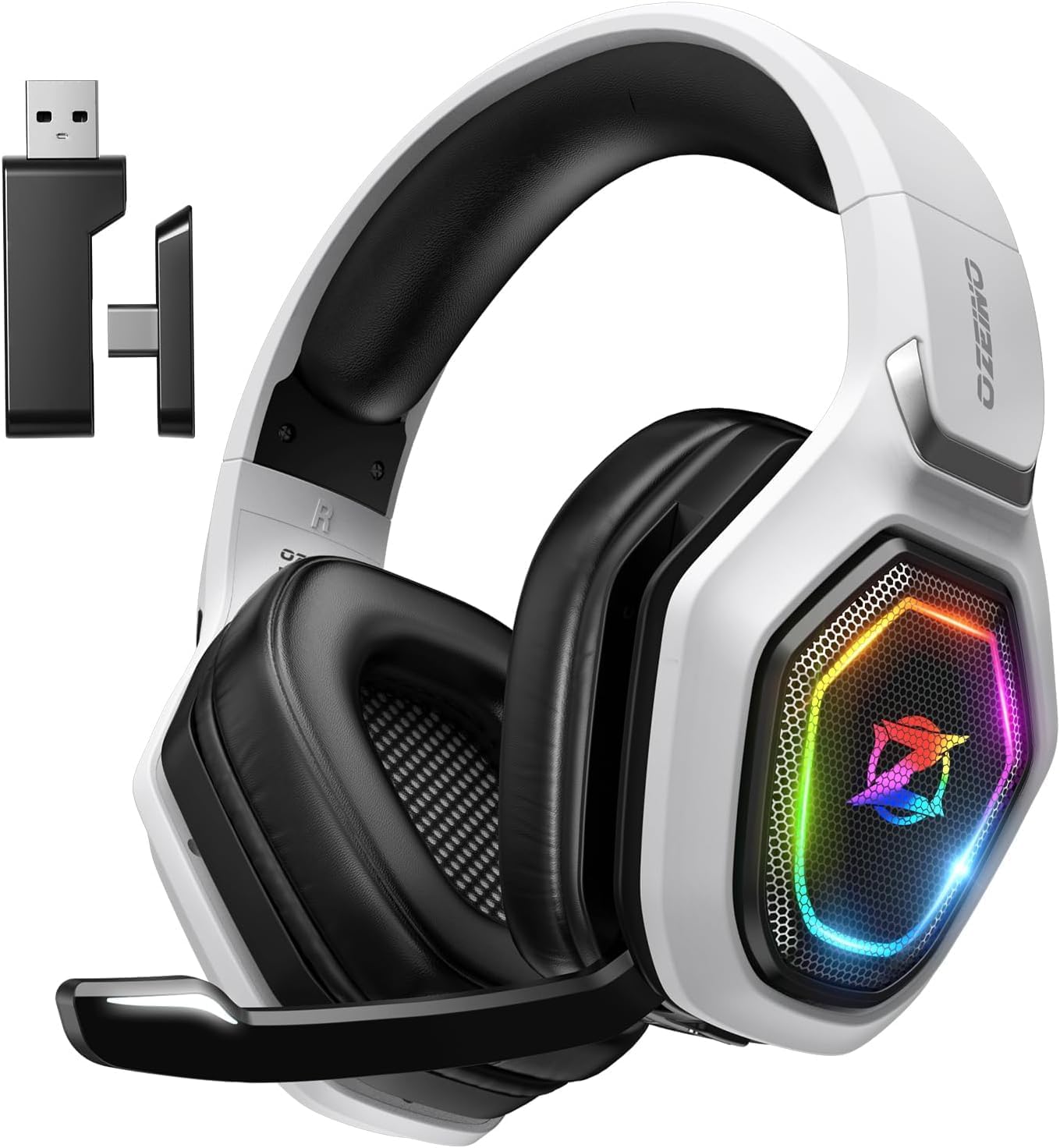


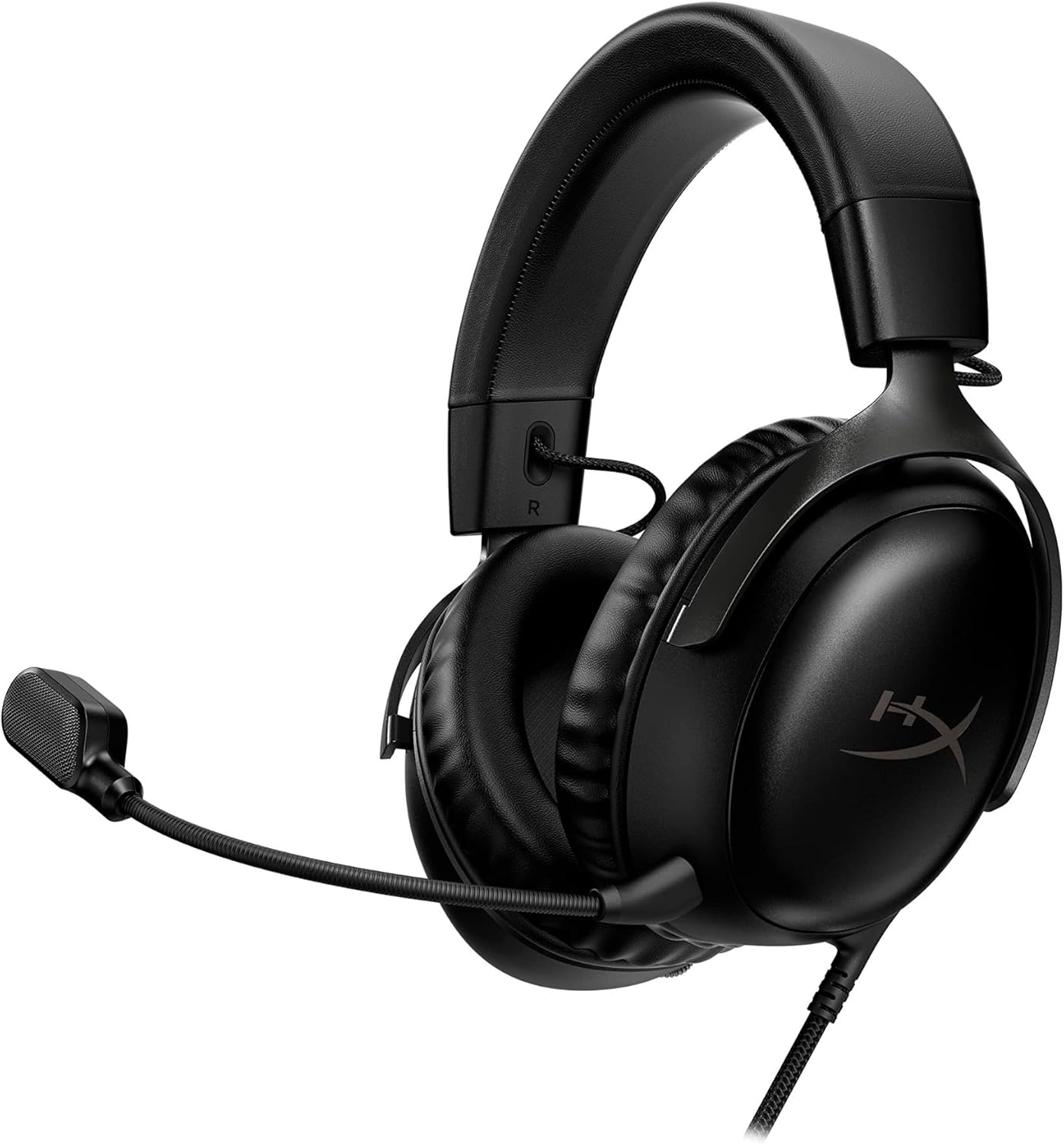
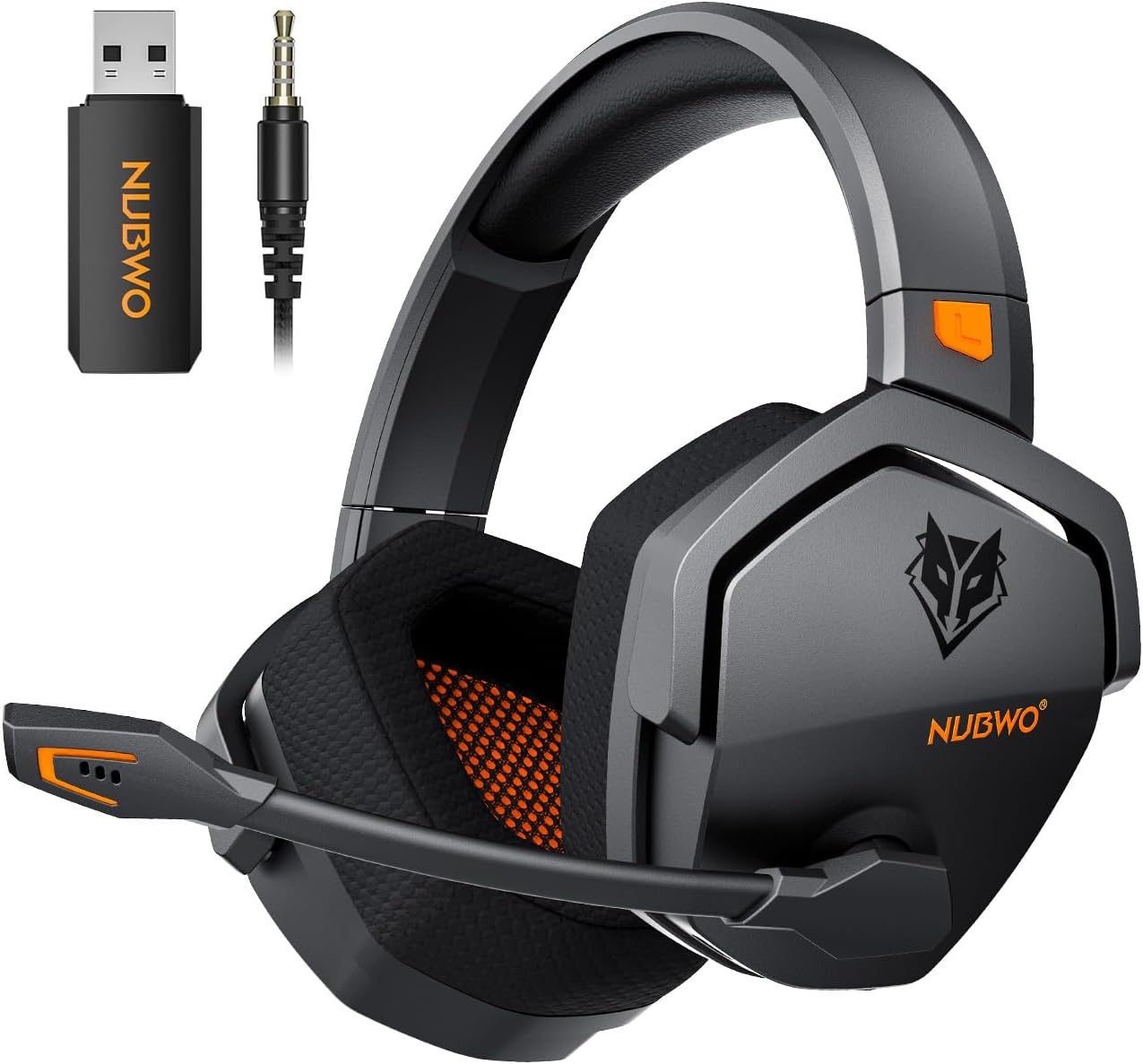

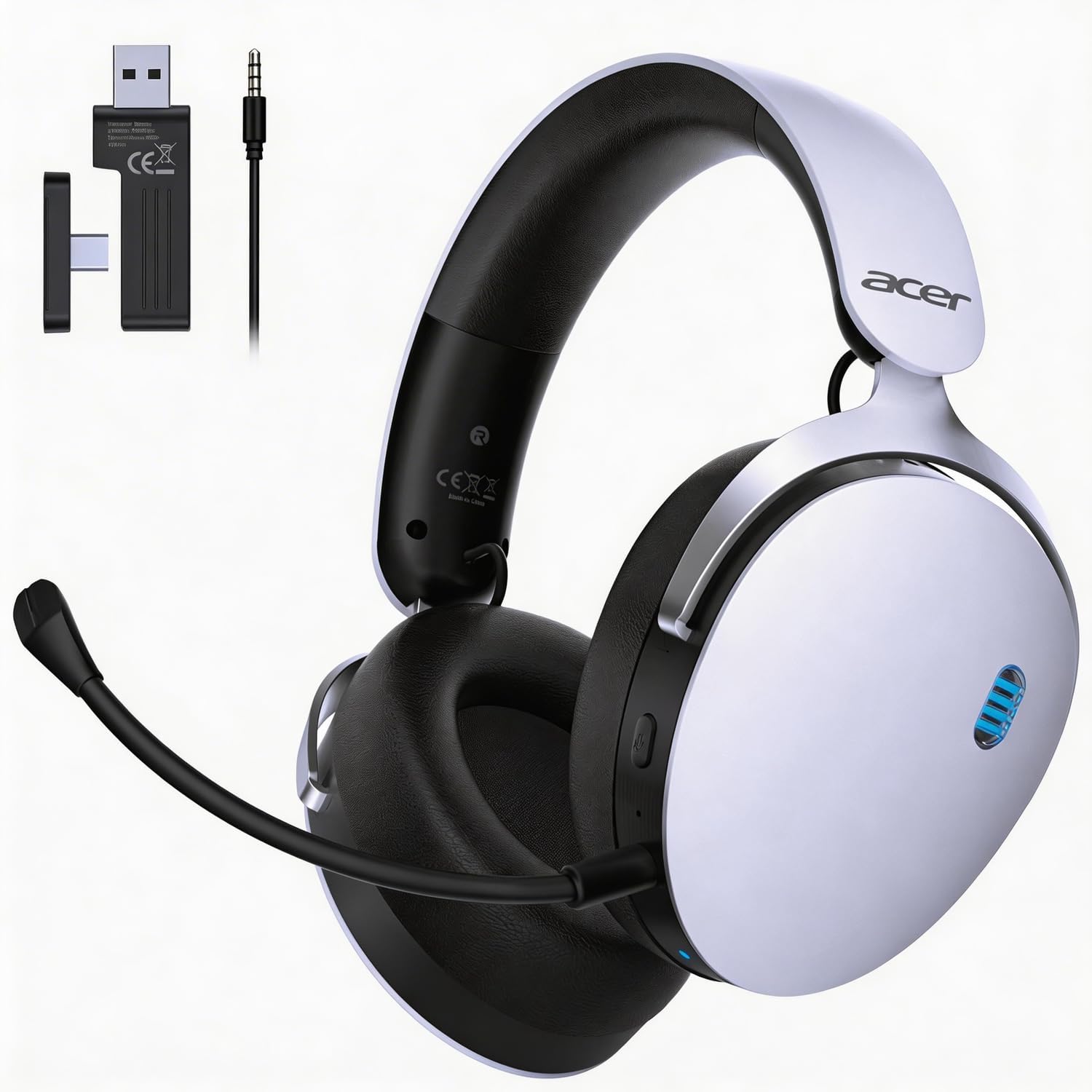


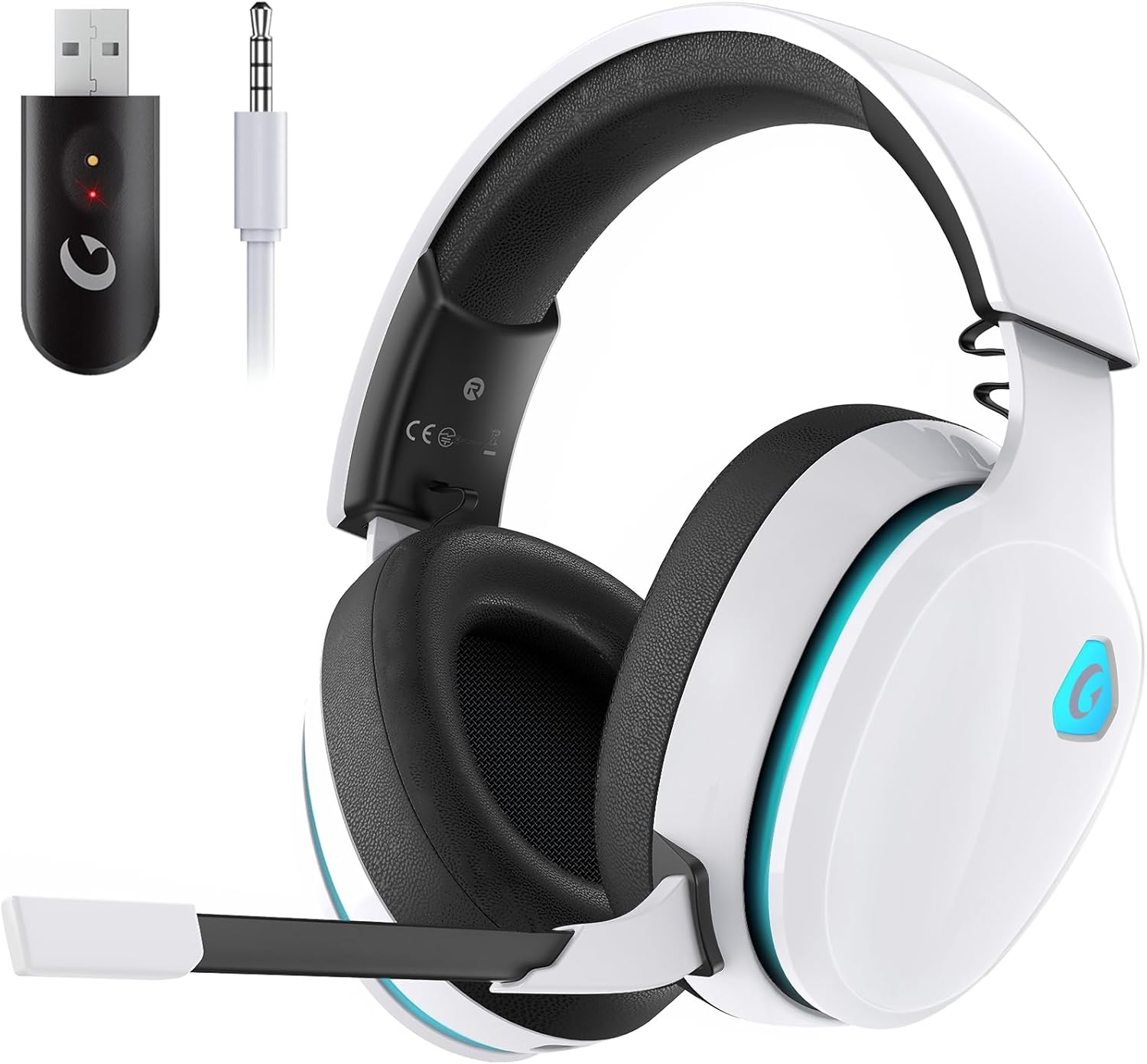


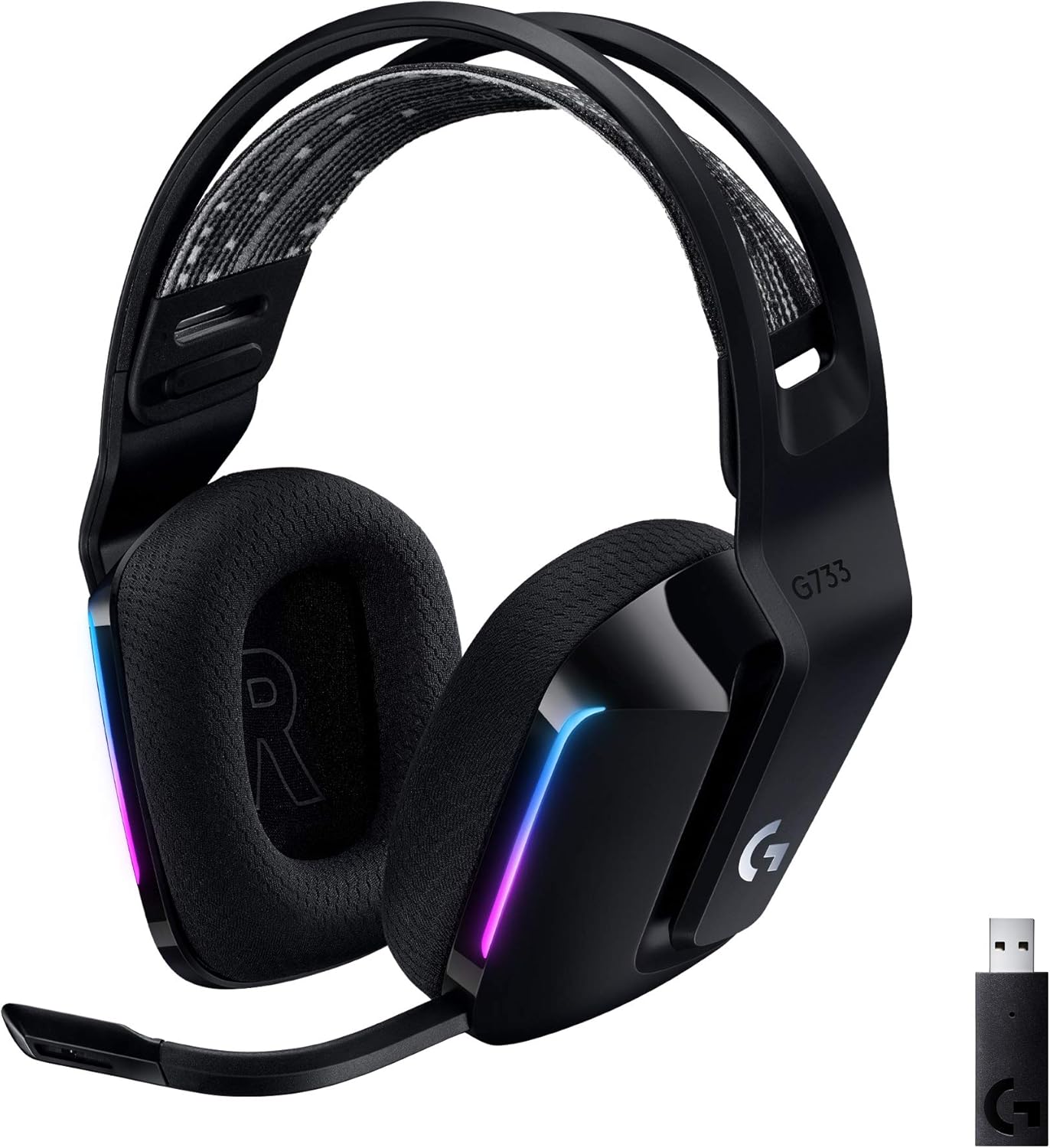
Best Gaming Headsets Under $400 — Comparison Table
| Headset | Price | Connection | Key Feature | Rating |
|---|---|---|---|---|
| SteelSeries Arctis Nova Pro Wireless | ~$349 | 2.4GHz + Bluetooth | Hot-swap battery, ANC, lossless audio | 4.9/5 |
| Astro A50 X | ~$379 | 2.4GHz HDMI | Dolby Atmos, HDMI audio extraction | 4.8/5 |
| Logitech G Pro X 2 Lightspeed | ~$249 | LIGHTSPEED 2.4GHz | Blue VO!CE mic, 50mm drivers | 4.8/5 |
| Razer BlackShark V2 Pro (2023) | ~$179 | HyperSpeed 2.4GHz | TriForce Titanium drivers, 70hr battery | 4.7/5 |
| HyperX Cloud Alpha Wireless | ~$199 | 2.4GHz | 300-hour battery, dual-chamber drivers | 4.8/5 |
Top Gaming Headsets Under $400 — Detailed Reviews
1. SteelSeries Arctis Nova Pro Wireless — Best Overall Under $400
The SteelSeries Arctis Nova Pro Wireless is the most technically accomplished gaming headset available under $400 and arguably the best gaming headset at any price. Its hot-swap battery system with a charging cradle means the headset never dies during use — one battery charges in the dock while the other powers the headset, creating effectively infinite playtime. Active noise cancellation rivals dedicated ANC headphones from Sony and Bose, genuinely useful for blocking out household noise during competitive sessions. The lossless 2.4GHz wireless delivers audio quality exceeding Bluetooth codecs, and simultaneous Bluetooth connectivity allows taking calls or playing mobile games without disconnecting from the PC. The 40mm high-fidelity drivers tuned by SteelSeries’ audio team deliver exceptional detail and soundstage. The retractable ClearCast Gen 2 microphone achieves studio-quality voice recording with noise cancellation. At $349, it’s the complete package.
2. Astro A50 X — Best for Multi-Platform Console and PC Gaming
The Astro A50 X at $379 solves a real problem for multi-platform gamers: seamlessly switching between PS5, Xbox Series X, and PC without reconnecting cables or re-pairing devices. Its HDMI audio extraction technology connects directly to your TV or monitor’s HDMI port, pulling audio from any connected source. Dolby Atmos and DTS Headphone:X support deliver 3D spatial audio that’s genuinely competitive-grade for positional awareness. The A50 X’s charging base doubles as a mixer for simultaneous game and chat audio balancing. The 24-hour battery with auto-shutoff and magnetic charging base ensures it’s always charged when you reach for it. Build quality is exceptional — steel headband, leather earcups, and premium plastics that flex without creaking. For households with multiple gaming platforms, the A50 X’s versatility justifies its premium positioning.
3. Logitech G Pro X 2 Lightspeed — Best for Competitive Gaming
The Logitech G Pro X 2 Lightspeed was designed in collaboration with professional esports players and carries the endorsement of the competitive gaming community. The upgraded 50mm drivers deliver wider soundstage and better detail resolution than the original G Pro X, critical for positional audio accuracy in competitive shooters. LIGHTSPEED wireless maintains the 1ms connection expected from Logitech’s professional gaming products, and 31-hour battery life easily covers full tournament days. Blue VO!CE microphone technology with hardware noise cancellation produces broadcast-quality voice chat — noticeably better than standard gaming headset mics. The memory foam earcups with leatherette covering provide comfort during extended tournament sessions without the heat buildup associated with some competing designs. At $249, it’s excellent value within the $400 budget.
4. Razer BlackShark V2 Pro (2023) — Best Battery Life Under $400
The Razer BlackShark V2 Pro’s defining feature is its extraordinary 70-hour battery life — more than twice that of most competing wireless gaming headsets. For gamers who rarely remember to charge peripherals, this effectively eliminates dead headset anxiety entirely. The TriForce Titanium 50mm drivers split the driver into three frequency zones, each tuned independently for bass, mid, and high frequencies — resulting in clearer high-frequency detail for footstep detection alongside satisfying bass for explosions and music. HyperSpeed wireless achieves competitive 1ms response, and the detachable HyperClear Supercardioid mic delivers clean voice reproduction. The closed-back design with memory foam earcups provides passive noise isolation without requiring active noise cancellation. At $179, the BlackShark V2 Pro 2023 leaves the most headroom within the $400 budget for other peripheral investments.
5. HyperX Cloud Alpha Wireless — Best Value Wireless Headset
The HyperX Cloud Alpha Wireless has maintained its position as one of gaming’s best-value wireless headsets through consistent performance and the remarkable 300-hour battery life — the longest of any wireless gaming headset available. The dual-chamber driver design separates bass frequencies from mids and highs within the same driver housing, reducing distortion and improving clarity across the frequency range. The aluminum frame construction is noticeably more premium than typical gaming headsets at this price, and the memory foam earcups with signature HyperX leatherette provide comfortable long-session wear. The detachable mic uses noise cancellation to filter background sounds effectively. Compatible with PC, PS5, and PS4 via the USB dongle, it covers the most popular gaming platforms. At $199, the Cloud Alpha Wireless offers outstanding real-world value for everyday gaming use.
Gaming Headset Audio Technology Explained
Virtual surround sound (Dolby Atmos, DTS Headphone:X, Windows Sonic) processes stereo audio to simulate directional spatial cues using head-related transfer functions (HRTFs). This can improve positional awareness in games that support it natively. Some competitive players prefer stereo with a wide soundstage for cleaner audio positioning without processing artifacts. Most premium headsets under $400 support both modes, letting you choose based on game genre and personal preference.
Pair your headset with quality audio equipment. See our guide to Sennheiser gaming headphones for audiophile-oriented alternatives, and open-back headphones for gaming for maximum soundstage options. For budget considerations, our premium headset guide covers the absolute top tier.
FAQ: Gaming Headsets Under $400
Is wireless audio quality good enough for competitive gaming?
Yes, at the premium tier using 2.4GHz wireless implementations. The SteelSeries lossless wireless and Logitech LIGHTSPEED technologies deliver audio quality equivalent to wired connections with no perceptible latency increase. The audio quality gap between wired and quality 2.4GHz wireless is imperceptible in practical gaming use. Only Bluetooth introduces meaningful audio compression and latency that can affect competitive play.
Do I need active noise cancellation in a gaming headset?
ANC is genuinely useful for gaming in shared living spaces, offices, or environments with significant ambient noise. It reduces mental fatigue from background noise during long sessions and improves focus. However, in quiet gaming environments ANC adds unnecessary cost. The SteelSeries Arctis Nova Pro Wireless includes class-leading ANC at $349 — if your environment benefits from noise cancellation, the premium is absolutely justified.
What driver size is best for gaming headsets?
40mm and 50mm drivers are the most common in gaming headsets. Larger 50mm drivers generally produce more bass and wider soundstage due to larger diaphragm area, beneficial for cinematic gaming experiences. Smaller 40mm drivers can achieve higher detail and clarity in the mid and high frequencies important for competitive positional audio. Driver size alone doesn’t determine quality — tuning, materials, and chamber design matter equally. Focus on headsets with detailed frequency response specifications rather than driver size alone.
Related Guides You May Like
- Best Gaming Headsets for Under $900 in 2026: Premium Wireless and Audiophile-Grade Options
- What Is the Best Gaming Headset? Our Top Picks for 2026
- Best Xbox Gaming Headset 2026: Top Audio Picks for Xbox Series X|S and Xbox One
- Best Wireless Gaming Headset for PC in 2026: Top Picks for Crystal-Clear Audio
- Best PC Gaming Headset: Top Picks for Desktop Gamers in 2026


Write Your Review
No reviews yet. Be the first to share your experience!